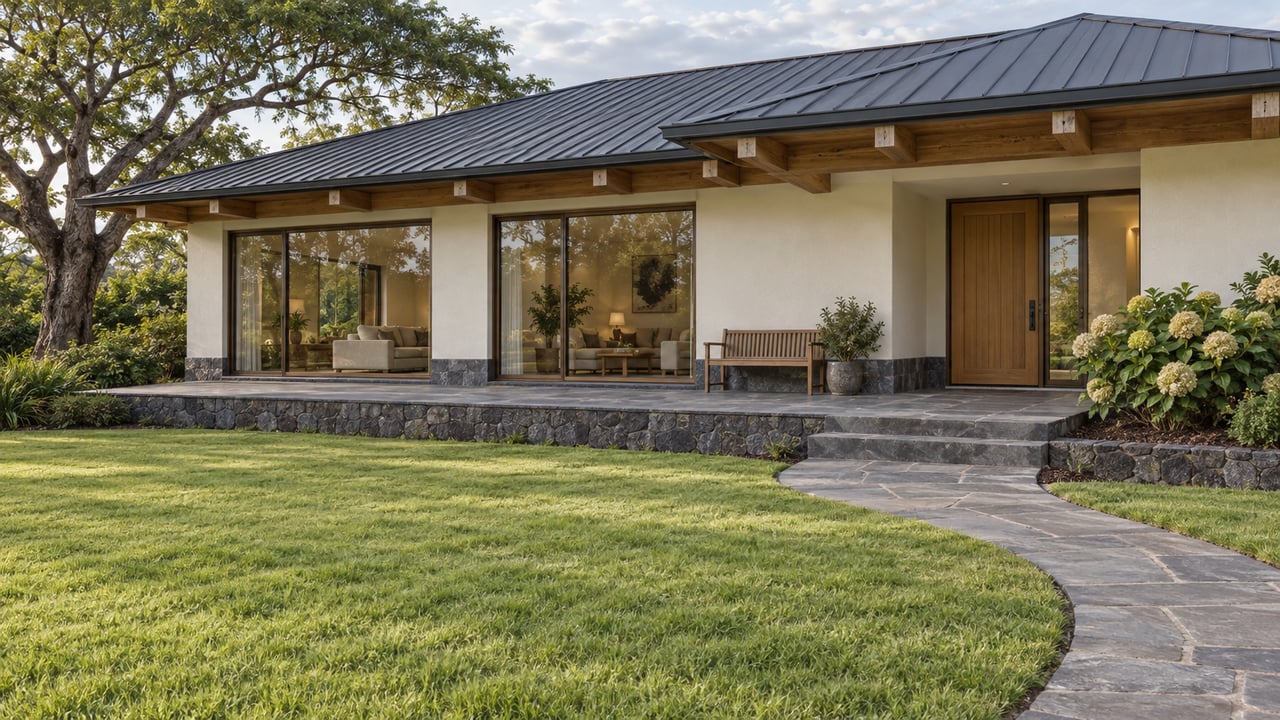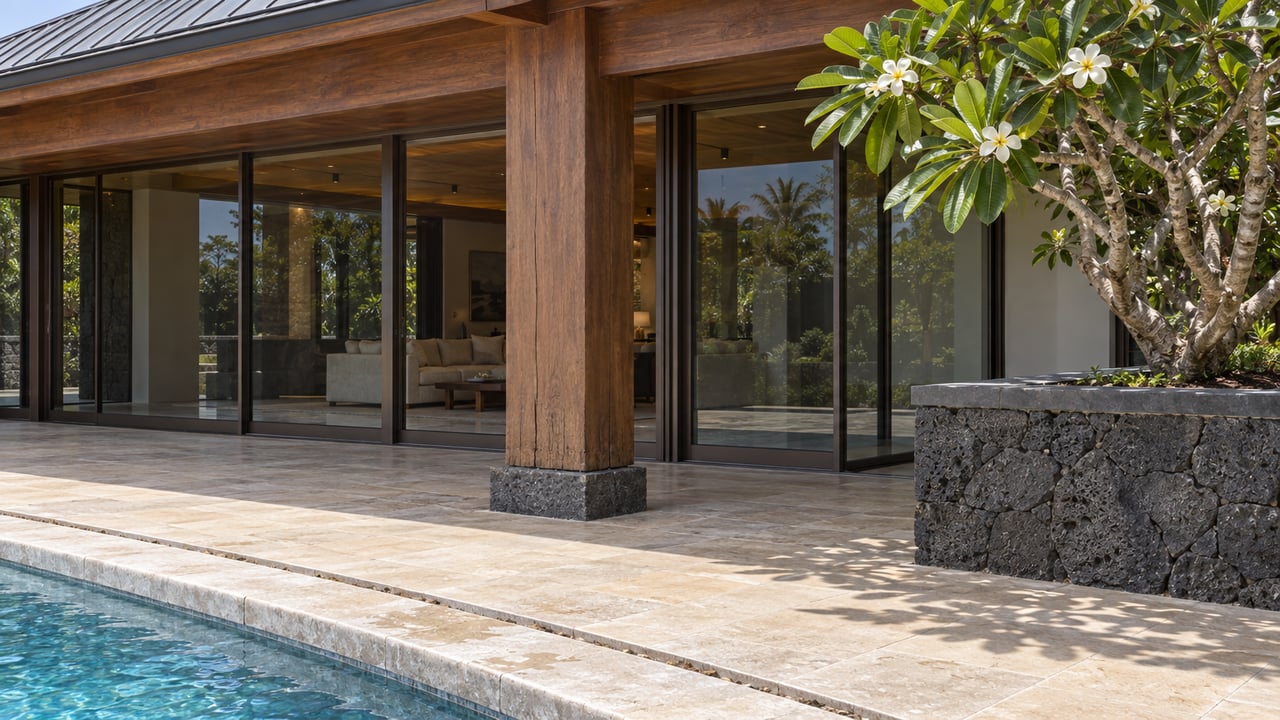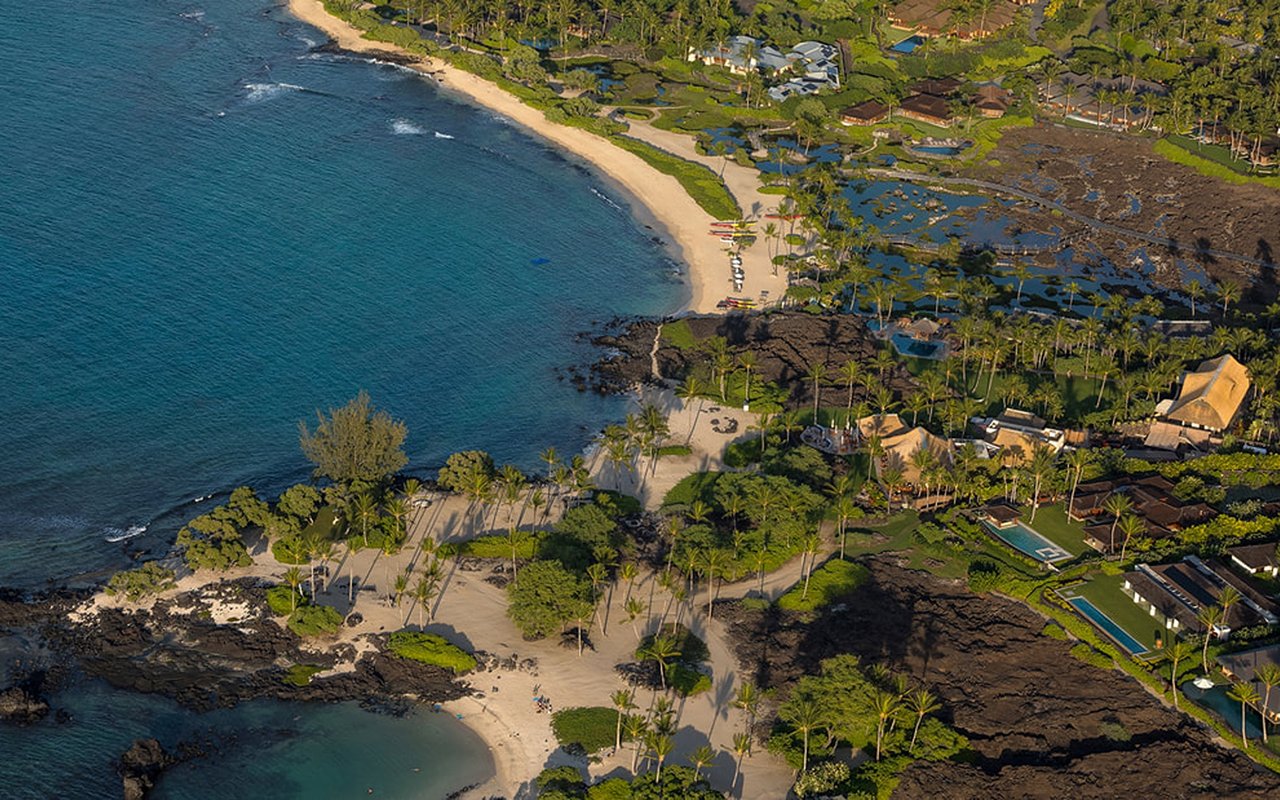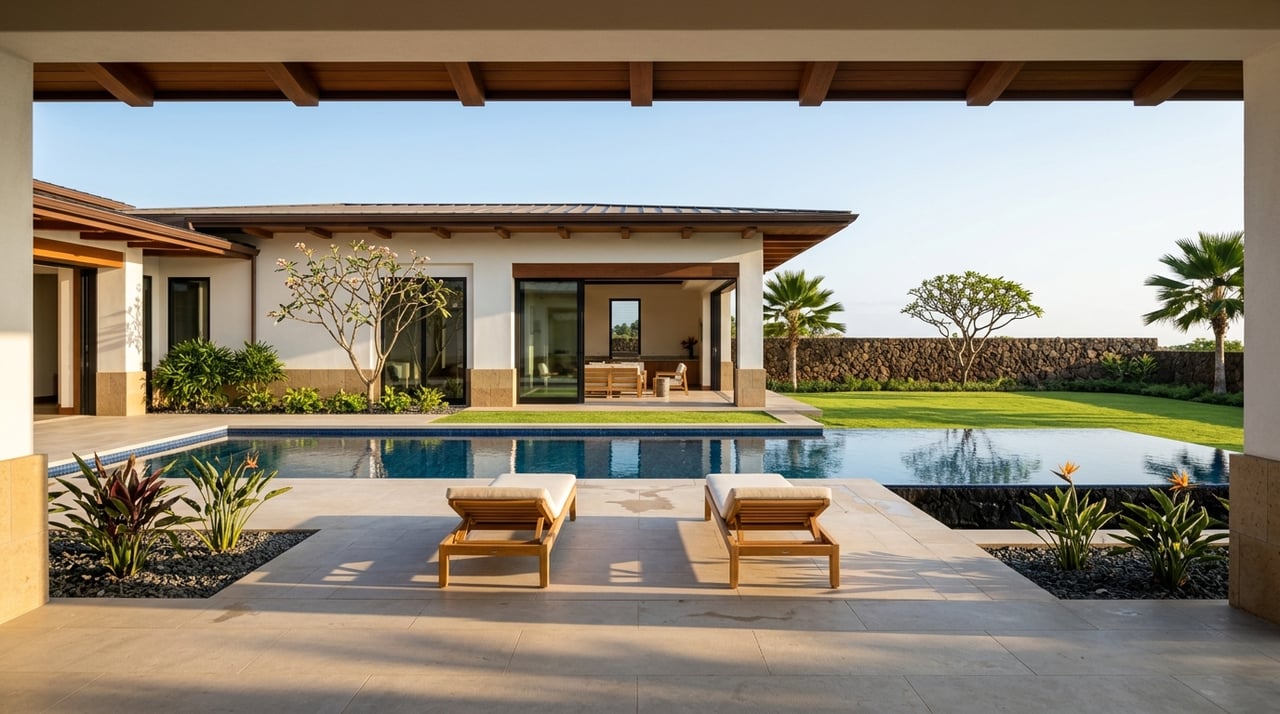
If you are torn between green uplands and sunny shoreline, you are asking one of the most important lifestyle questions in North Hawaiʻi. In this part of the Big Island, choosing between North Kohala and the Kohala Coast is not just about being closer to the ocean. It is about how you want your home to feel, what your daily routine looks like, and which setting best supports the life you want to build. Let’s dive in.
What this choice really means
When buyers compare upland North Kohala with the Kohala Coast, they are really comparing rural mauka living with resort-and-beach coastal living. County planning describes North Kohala as remote, rugged, agricultural, and small-town in character. South Kohala, which includes places like Kawaihae, Puakō, Waikoloa, and Waimea, has a broader mix of resort, residential, and activity centers.
That distinction matters because your decision will shape more than your view. It can affect your weather, your commute, your privacy, and the kinds of amenities you use most often. For many buyers, this is a lifestyle choice first and a real estate choice second.
North Kohala: rural, green, and grounded
North Kohala appeals to buyers who want space, open land, and a quieter pace. County planning places a strong emphasis on protecting agricultural lands, open space, rural character, and cultural resources. The area’s commercial activity is centered mainly in Hāwī and Kapaʻau, which helps preserve the district’s small-town feel.
If you picture home as a place to slow down, spread out, and enjoy a more self-contained property, North Kohala may feel like a natural fit. A reasonable market takeaway from the area’s land-use pattern is that your search here may lean toward acreage, ranch-style homes, and parcels with a more private setting. This is often the side of Kohala that attracts buyers who value land and atmosphere as much as the house itself.
What daily life can feel like upland
Life in North Kohala often centers around a local routine instead of a resort routine. Kapaʻau and the Hāwī corridor anchor many of the area’s day-to-day services and recreation. Kamehameha Park in Kapaʻau includes a gymnasium, field, skate park, swimming pool, playground, and courts, while Kohala Hospital serves the district as a critical access hospital.
You are not cut off here, but you are spread out. Hele-On Route 75 links North Kohala with Waimea, South Kohala resorts, and Kailua-Kona, with flex service between Hāwī and Kawaihae along Highway 270. That regional connection is useful, but it also highlights an important truth: life here usually involves planning around longer drives.
Kohala Coast: sunnier, drier, and amenity-rich
The Kohala Coast is a different experience. South Kohala planning identifies major resort nodes including Mauna Kea, Mauna Lani, and Waikoloa, with hotels, shops, restaurants, and residential options tied to a destination lifestyle. Kawaihae also plays a major role as a transportation and activity hub.
If you want quicker access to beaches, golf, dining, harbor activity, and resort services, the coast will likely feel more convenient. This side of the market often appeals to second-home buyers, resort-oriented buyers, and anyone who wants their home base closer to shoreline recreation and visitor amenities. It can also suit local buyers who prefer a sunnier setting and easier beach access.
What daily life can feel like on the coast
A coastal routine usually means you are closer to some of the Big Island’s most recognized outdoor destinations. Nearby examples include Hāpuna Beach State Recreation Area, Waialea Bay, Spencer Park at ʻŌhaiʻula Beach, and Puʻukoholā Heiau National Historic Site in Kawaihae. Kawaihae also has the only recreational small boat harbor in northwest Hawaiʻi and the only commercial harbor in West Hawaiʻi.
This is part of what draws buyers to the coast. Instead of prioritizing seclusion and green space, you may be prioritizing beach time, ocean conditions, golf access, and a more service-rich environment. For the right buyer, that tradeoff feels easy.
Climate may be your biggest factor
One of the clearest differences between upland and coast in Kohala is microclimate. North Kohala’s county plan highlights fertile mauka soils, open space, and plentiful rainfall in the eastern part of the district. State rainfall data explains why: windward mountain slopes tend to be wetter, while leeward coastal areas are much drier.
South Kohala planning data gives that contrast some real-world context. Waimea is listed at roughly 20 to 80 inches of annual rainfall, with average daily highs around 75°F. Waikoloa is listed at about 10 to 15 inches, with average daily highs around 77°F to 85°F, while the South Kohala coast is around 10 inches and 83°F to 87°F.
NOAA climate normals for Waimea Valley add another useful inland reference point, showing a mean annual temperature of 74.4°F and 52.02 inches of precipitation. While North Kohala and Waimea are not identical, that inland data helps illustrate the cooler, wetter side of the mauka market. If you strongly prefer crisp mornings, greener surroundings, and a more varied weather pattern, upland living may suit you. If you want more sun and drier conditions year-round, the coast may make more sense.
Property type often follows location
Location and property style tend to go hand in hand in this part of the island. In North Kohala, the strong agricultural zoning and rural planning framework support a market character that often leans toward larger parcels and homes with a more independent feel. Buyers looking for room to garden, spread out, or enjoy a ranch-like setting often start here.
On the coast, the housing mix can feel more connected to resorts, villages, and established shoreline communities. South Kohala planning points to large resort areas with residential units, while Puakō is described mainly as a single-family-home village with many vacation rentals. Waikoloa Village offers something of a middle ground, with a more suburban pattern, though the county notes its isolation because Waikoloa Road is the only access road.
Questions to ask about the home itself
Before you focus on finishes or views, it helps to narrow the kind of property you want most:
- Do you want acreage or a more compact homesite?
- Do you want a ranch-style setting or a resort-area residence?
- Do you want more privacy, or do you want easier access to services and recreation?
- Do you want a home that feels more self-contained, or one that fits into an amenity-driven routine?
These questions can quickly clarify whether you should search mauka, makai, or somewhere in between.
Your routine matters more than you think
Many buyers begin with scenery, but daily logistics usually decide the better fit. The right location should support your normal week, not just your ideal weekend. That means thinking carefully about where you will drive most often and how much time on the road feels reasonable.
In North Kohala, your routine may center on Hāwī, Kapaʻau, and trips to Waimea, Kawaihae, or Kailua-Kona as needed. On the coast, your pattern may be more tied to resort services, shoreline recreation, and the Kawaihae to Waikoloa corridor. Neither is better across the board, but one may match your habits much more closely.
Search filters that can help you choose
If you are trying to compare options clearly, focus on these filters first:
- Elevation and microclimate: cooler and wetter mauka, or sunnier and drier makai
- Parcel type: acreage and open land, or resort and village-style properties
- Amenity mix: local services and small-town recreation, or beaches, golf, harbor, and resort access
- Driving patterns: how often you expect to go to Hāwī, Kapaʻau, Waimea, Kawaihae, or Kailua-Kona
For many buyers, these filters are more useful than starting with price alone. They help you define how you want to live, which usually leads to a better purchase decision.
How to decide between upland and coast
If you are still unsure, try to picture an ordinary Tuesday instead of a vacation day. Think about the weather you enjoy most, the errands you need to run, and the kind of surroundings that help you feel settled. A home that fits your routine usually brings more long-term satisfaction than one that only looks good on paper.
North Kohala may be the better fit if you want rural character, greener surroundings, privacy, and a stronger connection to agricultural land and open space. The Kohala Coast may be the better fit if you want sunshine, beaches, resort access, and a more convenience-oriented lifestyle. In many cases, the best answer comes from touring both and comparing how each area feels in real time.
If you are weighing North Kohala against the Kohala Coast, working with a team that understands both lifestyle and property context can make the process much clearer. Frank Schenk & Nicolaas Schenk can help you compare locations, property types, and day-to-day fit so you can move forward with confidence.
FAQs
What is the main difference between North Kohala and the Kohala Coast?
- North Kohala is generally defined by rural mauka living, agricultural land, open space, and a small-town feel, while the Kohala Coast is more closely tied to beaches, resorts, shoreline recreation, and sunnier coastal living.
Is North Kohala cooler than the Kohala Coast?
- Yes, inland and upland areas in this part of Hawaiʻi are generally cooler and wetter than the leeward coast, and planning data for nearby Waimea shows lower temperatures and higher rainfall than Waikoloa and the South Kohala coast.
What kinds of homes are common in North Kohala?
- Based on the district’s agricultural zoning and rural land-use pattern, buyers often find homes on larger parcels, ranch-style properties, and settings with more privacy and open land.
What kinds of homes are common on the Kohala Coast?
- The coastal market includes resort-linked residential options, village properties, and shoreline communities, with South Kohala planning highlighting major resort areas and places like Puakō and Waikoloa Village.
Are North Kohala and the Kohala Coast connected by public transit?
- Yes, Hele-On Route 75 connects North Kohala with Waimea, South Kohala resorts, and Kailua-Kona, with flex service between Hāwī and Kawaihae, though the region is still spread out and many routines involve driving.
How should you choose between mauka and makai living in Kohala?
- Start with your preferred climate, parcel size, amenity needs, and driving tolerance, since those factors usually make the clearest difference in how well a location fits your daily life.