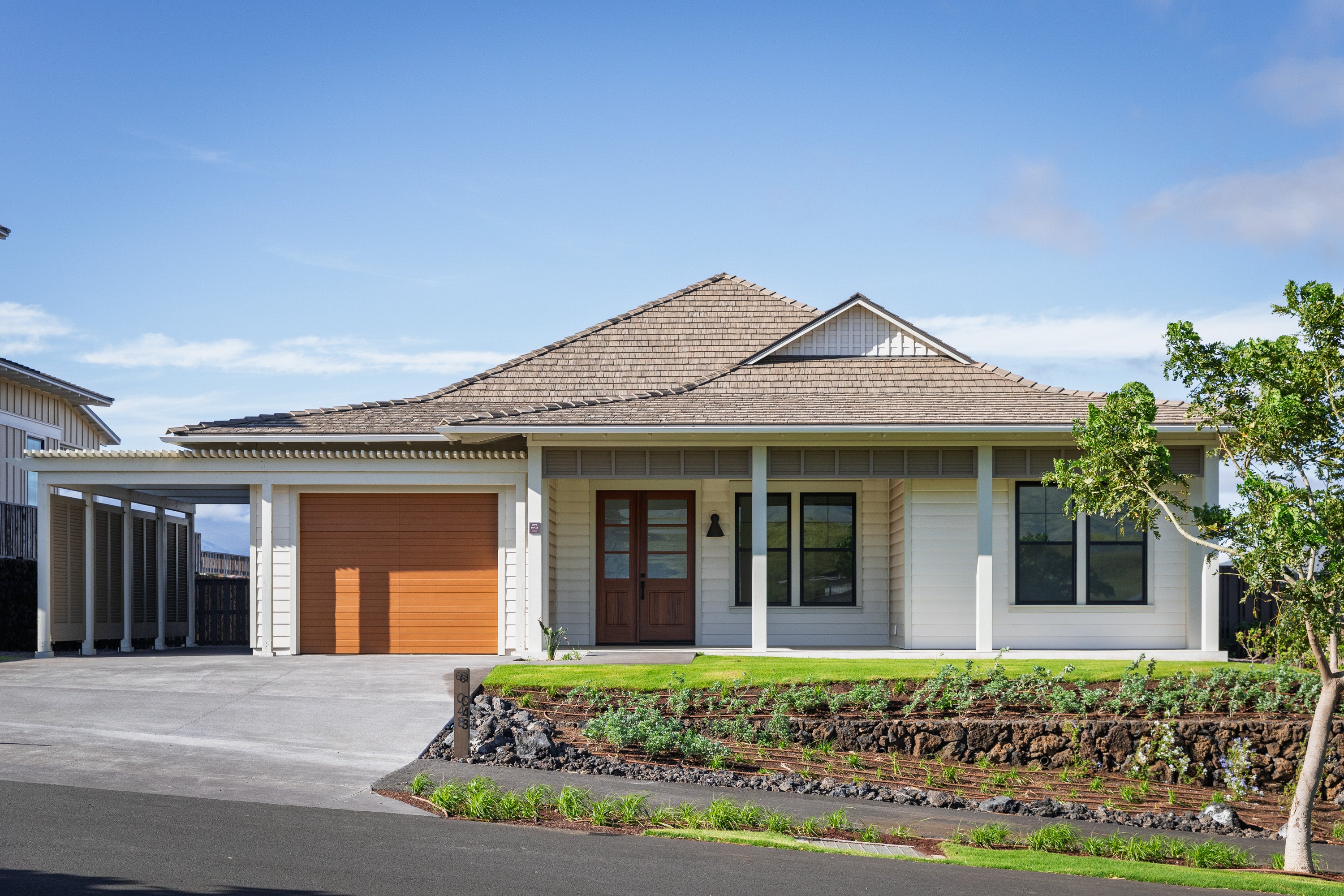
Waikoloa Village’s roots trace to the 1960s, when Richard Smart — sixth-generation heir to the historic Parker Ranch — sold 25,500 acres of Waikoloa land to Boise Cascade Properties, Inc. to build a master-planned community centered on recreation and a variety of housing choices. By 1970, the fledgling Village had already reached $4 million in home sales, with its equestrian center and golf course nearing completion. More than half a century later, that founding vision has matured into a community of more than 3,200 homes spanning several thousand acres of high, dry upcountry land, with construction continuing to add new inventory each year.
Unlike the resort communities on the coast below, Waikoloa Village was built as a residential neighborhood rather than a resort — and that distinction is the whole reason it remains one of West Hawaii’s most practical and accessible places to live. The Waikoloa Village Association oversees the community’s shared amenities, funded through modest annual dues ($1,120 for 2026) that cover access to two swimming pools, tennis and pickleball courts, and the 18-hole community golf course — a package that would otherwise mean paying separately for a golf membership or a gym.
Waikoloa Village attracts homeowners who want genuine West Hawaii living without resort pricing or resort rules.
Full-Time Residents and Local Families
With its own school, shopping center, and everyday infrastructure, Waikoloa Village draws residents who want a grounded, practical lifestyle — groceries, schools, and community life close to home rather than built around tourism.
Golf Enthusiasts
The Robert Trent Jones Jr.-designed Village Course offers discounted resident rates that are widely considered among the best deals on the Kohala Coast, drawing golfers who want regular, affordable access rather than resort green fees.
Value-Conscious Second-Home Buyers
Waikoloa Village’s median prices sit meaningfully below the Kohala Coast resort communities, giving second-home buyers proximity to the coast’s beaches and dining without paying resort-tier prices.
Divers, Snorkelers, and Ocean Enthusiasts
Puako's exceptional reef access and clear water draw residents for whom daily ocean recreation is central to the decision to live here rather than at a golf-oriented resort.
Buyers Seeking a Cooler Microclimate
The Village’s elevation and position in the saddle between Mauna Kea and the Kohala mountains gives it a noticeably cooler, breezier climate than the coast — appealing to residents who prefer relief from Kohala Coast heat, though the same geography can bring stronger trade winds through the area.
Equestrian and Stable Enthusiasts
The Waikoloa Stables, part of the community’s original master-planned amenities, continue to draw residents interested in horses and riding as part of daily life.
Waikoloa Village is South Kohala’s upcountry alternative to Kohala Coast resort real estate, offering single-family homes and condominiums rather than resort-style product. As of 2025 data carrying into 2026, the median single-family home price sits around $925,000 to $957,000, with condos running a median of roughly $453,500 to $472,000 — figures that remain dramatically lower than the Kohala Coast resort median of approximately $4.9 million for houses and $1.625 million for condominiums.
Inventory spans a genuinely wide range: entry-level condos have recently listed around $389,000 to $749,000, while single-family homes have ranged from the $700,000s up to $2.7 million for the Village’s largest and most updated properties, including the gated Waikoloa Village Homes enclave — a roughly 200-home community with its own clubhouse, pool, tennis, and fitness center. Because the Village was built as a residential subdivision rather than a resort, buyers should expect ongoing new construction and a steady supply of resale inventory rather than the extreme scarcity found in coastal communities like Puako.
Siingle-Family Homes
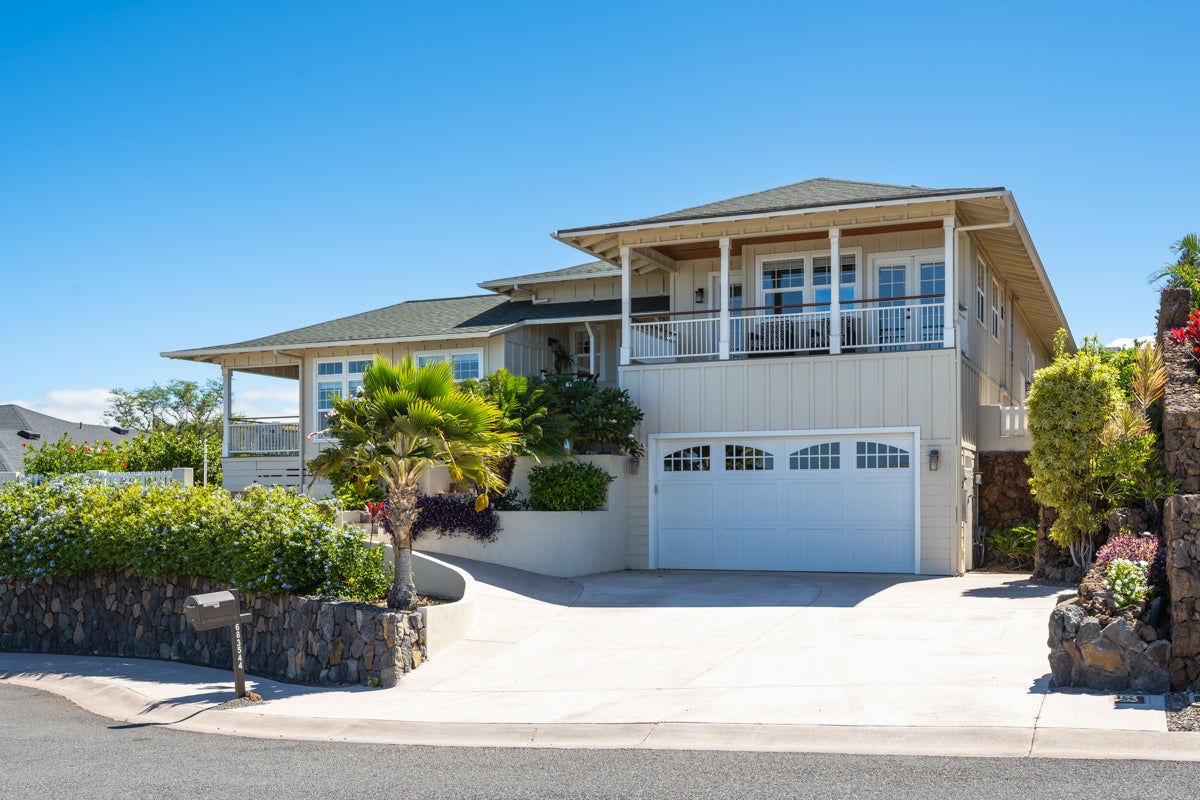
The dominant housing type throughout Waikoloa Village, ranging from modest three-bedroom homes on standard lots to larger, renovated properties with expanded living space and outdoor areas, spanning price points from the $700,000s to well over $2 million.
Condominiums and Townhomes
Low-density condo and townhome communities cluster around the golf course and community amenities, offering a more accessible and lower-maintenance entry point into the Village, generally in the high-$300,000s to $900,000s.
Golf-Course-Adjacent Homes
Properties bordering the Robert Trent Jones Jr.-designed Village Course command a premium for fairway views and proximity to the clubhouse, pool, and tennis facilities.
Waikoloa Village Homes (Gated Enclave)
A roughly 200-home gated community within the Village offering an expansive clubhouse, pool, tennis courts, fitness center, hiking trails, and the area’s most resort-caliber amenity package at a residential scale.
Vacant Lots and Land
Buildable parcels continue to come to market throughout the Village’s various subdivisions, appealing to buyers who want to design a custom home within an established, amenity-rich community.
Owning in Waikoloa Village means genuine day-to-day practicality paired with proximity to some of Hawaii’s best beaches and resort dining. Residents enjoy discounted resident golf rates, two community pools, tennis and pickleball courts, the Waikoloa Stables, and a real town center with groceries, schools, and everyday services — all for modest annual HOA dues that deliver amenities most residents would otherwise pay for separately. The Village’s cooler elevation, established community character, and meaningfully lower price point relative to the Kohala Coast resorts make it one of West Hawaii’s most practical and enduringly appealing places to call home.
Elevation and Microclimate
Waikoloa Village’s roughly 1,500-foot elevation sits in the saddle between Mauna Kea and the Kohala mountains, directly in the path of northeast trade winds. The payoff is cooler, breezier temperatures than the coast below — but wind exposure varies street by street, so visit at different times of day before narrowing in on a specific lot.
Resale vs. New Construction
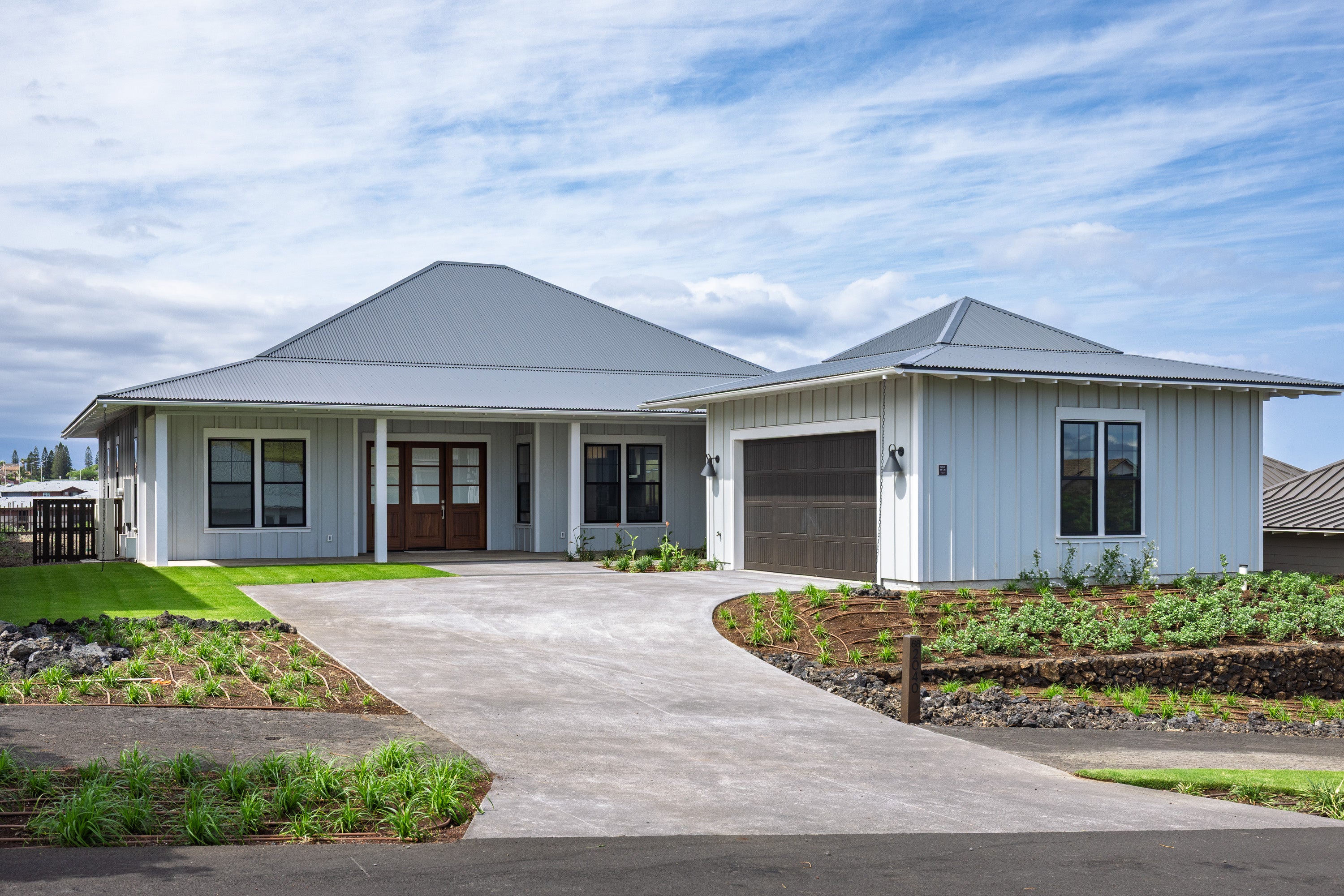
With more than 3,200 homes built since the 1960s and ongoing construction still adding inventory, buyers can choose between established resale homes with mature landscaping and newer builds with updated systems and finishes. Compare lot size, age, and renovation history carefully across both.
HOA Dues and What They Cover
Annual Waikoloa Village Association dues ($1,120 for 2026) grant access to the Robert Trent Jones Jr.-designed golf course, two swimming pools, and tennis and pickleball courts — a genuinely good value relative to paying separately for a golf membership or gym elsewhere. Confirm current dues and exact coverage before finalizing any purchase.
Proximity to the Coast vs. Resort Pricing
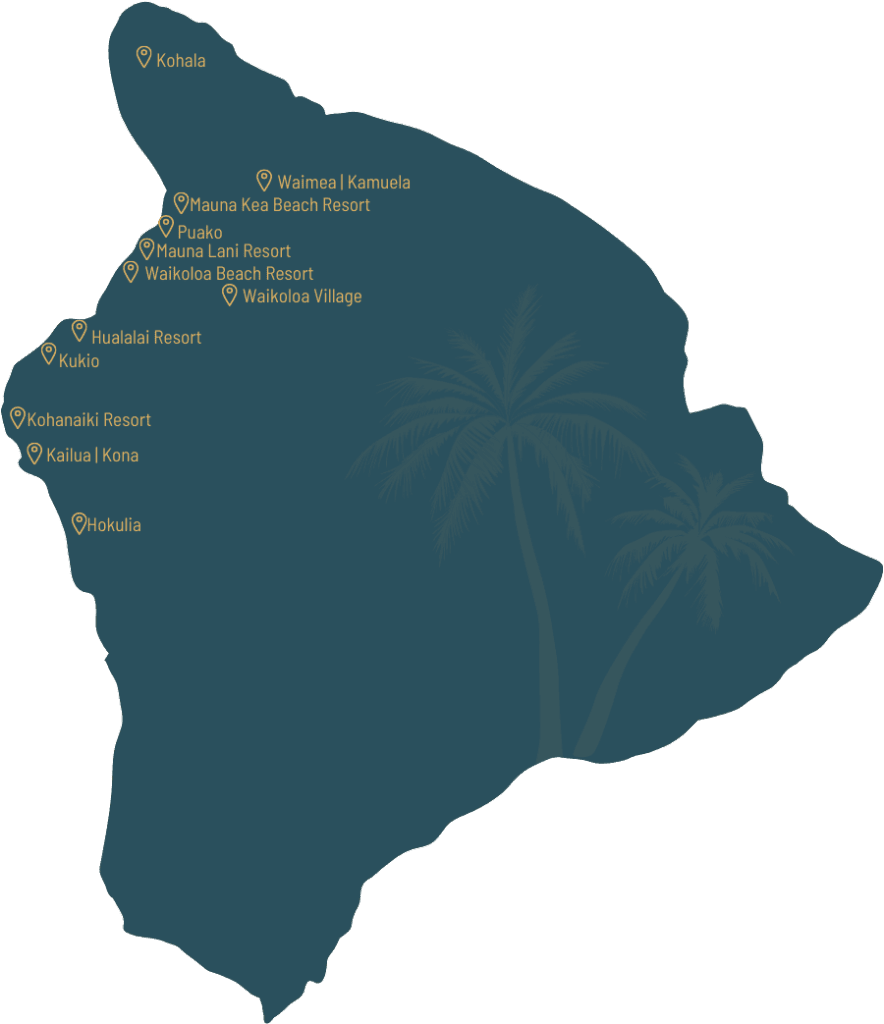
Waikoloa Village sits about six miles mauka of Waikoloa Beach Resort, giving residents a short drive to the coast’s beaches, golf, and dining without paying resort-tier prices — a meaningful trade-off for buyers weighing Village living against a coastal resort address.
Short-Term Rental Potential
Inland Waikoloa Village is predominantly residential, and the strongest short-term rental economics on this coast concentrate within resort-zoned communities down at Waikoloa Beach Resort. Buyers whose primary motivation is STR income should understand this distinction before purchasing in the Village.
Highlight Everyday Practicality
Waikoloa Village’s shopping center, grocery store, bank, post office, and K-8 school are genuine differentiators from resort-only communities. Marketing should emphasize this day-to-day livability alongside proximity to the coast.
Showcase Golf and Amenity Access
The Robert Trent Jones Jr.-designed Village Course, community pools, and tennis and pickleball courts are significant lifestyle assets included through modest HOA dues — professional photography and marketing should capture these amenities alongside the property itself.
Emphasize Value Relative to the Coast
Waikoloa Village’s median pricing sits dramatically below the Kohala Coast resort median — sellers should lead with this value proposition for buyers who want coastal proximity without resort-level cost.
Price to Property Type and Location
Golf course-adjacent homes, gated-enclave properties like Waikoloa Village Homes, standard resale single-family homes, and condominiums each carry distinct value profiles. Pricing should reflect recent comparable sales specific to property type and position within the Village rather than a single community-wide average.
With extensive experience representing properties across Hawaii’s premier communities, Frank & Nicolaas Shenk provide exceptional guidance for buyers and sellers navigating Waikoloa Village’s distinctive upcountry market. Their deep understanding of the Village’s HOA structure and amenity access, the nuanced differences between resale and new-construction homes, golf course-adjacent pricing, and the broader relationship between Village and Kohala Coast resort values allows them to deliver personalized strategies tailored to each client’s lifestyle and investment goals. Whether you’re searching for a practical family home near the Village Course, a gated-community property in Waikoloa Village Homes, an accessible condo entry point, or preparing to sell a Waikoloa Village property, Frank & Nicolaas are committed to delivering expert representation, outstanding service, and a seamless real estate experience from beginning to closing.

7,028 people live in WAIKOLOA VILLAGE, where the median age is 42.1 and the average individual income is $39,434. Data provided by the U.S. Census Bureau.
Total Population
Median Age
Population Density Population Density This is the number of people per square mile in a neighborhood.
Average individual Income
WAIKOLOA VILLAGE has 2,500 households, with an average household size of 2.81. Data provided by the U.S. Census Bureau. Here’s what the people living in WAIKOLOA VILLAGE do for work — and how long it takes them to get there. Data provided by the U.S. Census Bureau. 7,028 people call WAIKOLOA VILLAGE home. The population density is 446 and the largest age group is Data provided by the U.S. Census Bureau.
Total Population
Population Density Population Density This is the number of people per square mile in a neighborhood.
Median Age
Men vs Women
Population by Age Group
0-9 Years
10-17 Years
18-24 Years
25-64 Years
65-74 Years
75+ Years
Education Level
Total Households
Average Household Size
Average individual Income
Households with Children
With Children:
Without Children:
Marital Status
Blue vs White Collar Workers
Blue Collar:
White Collar: