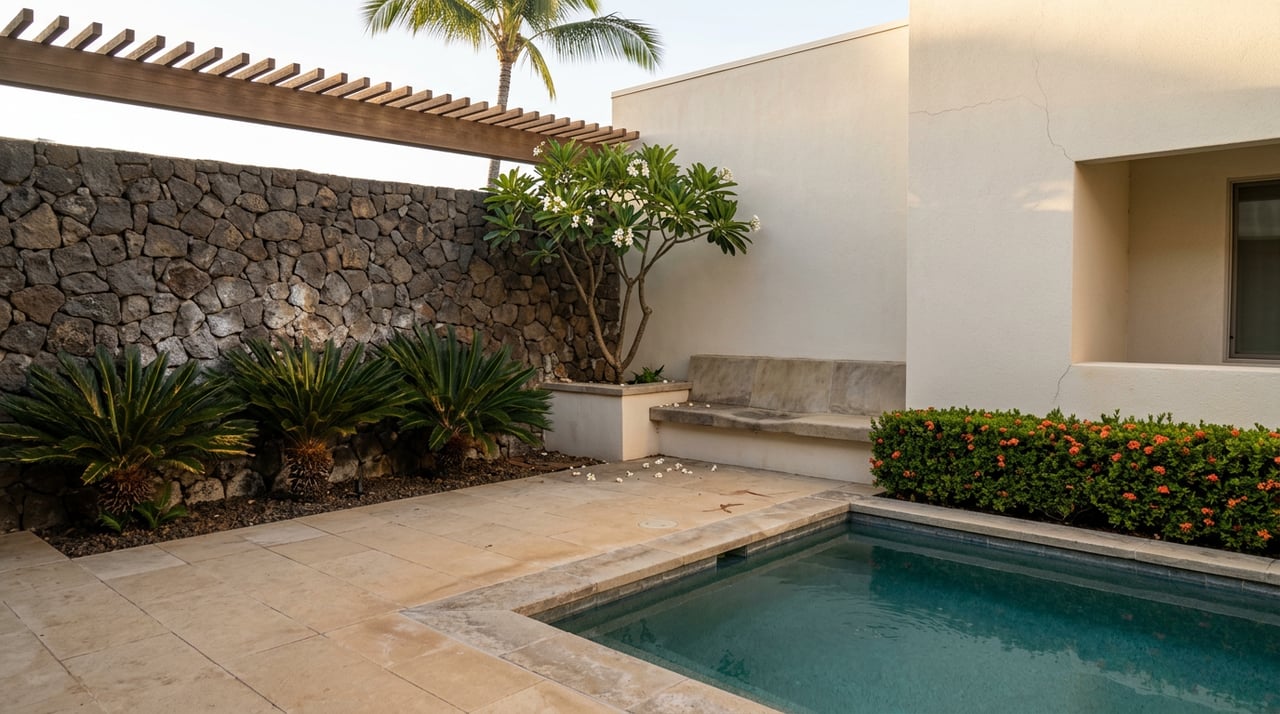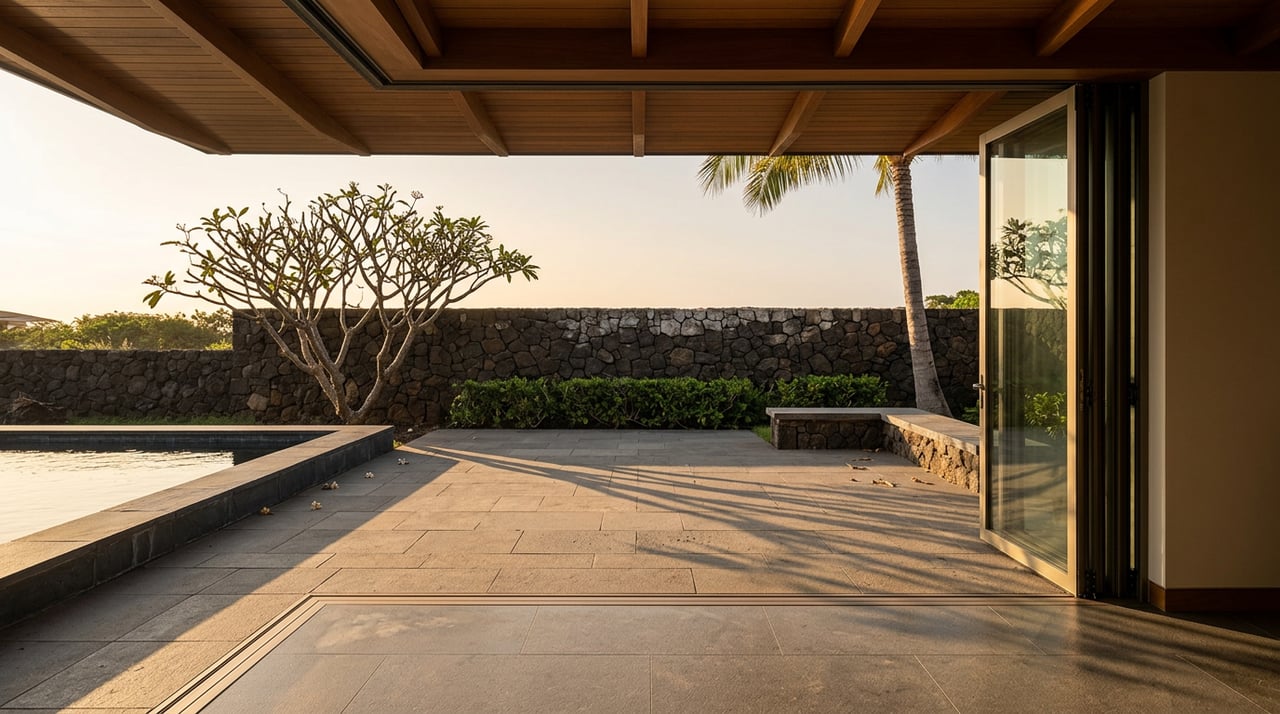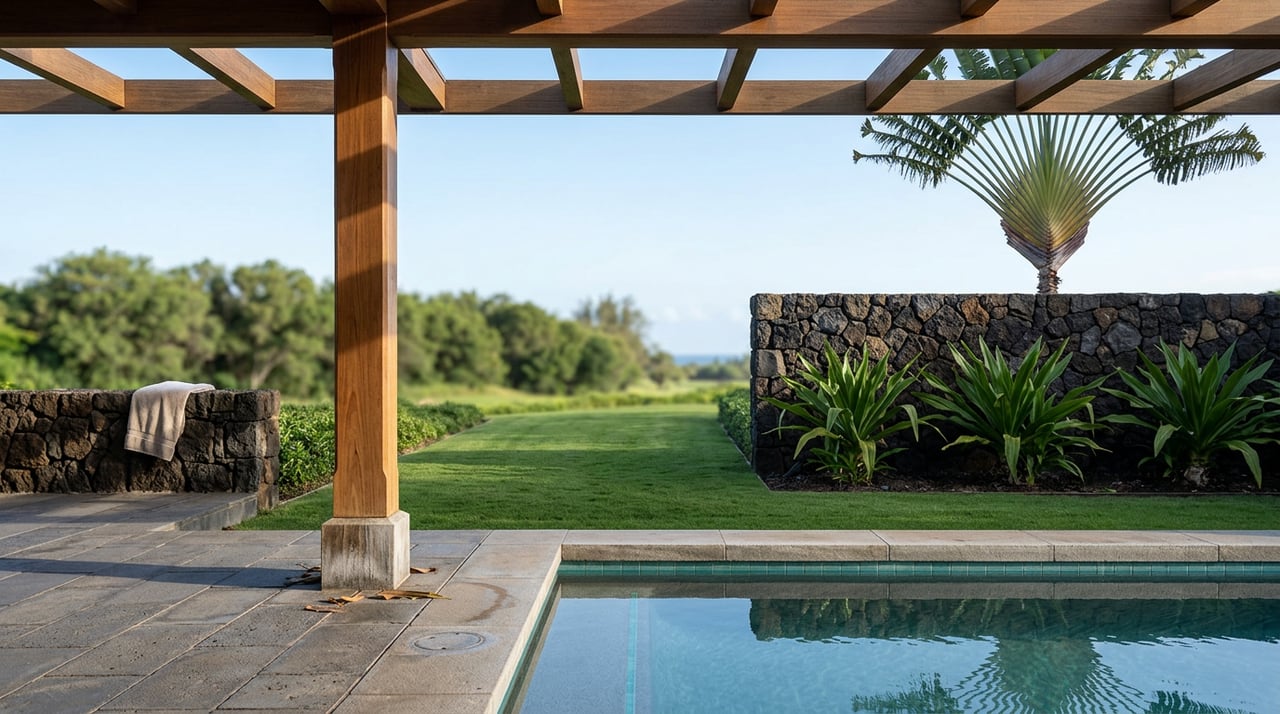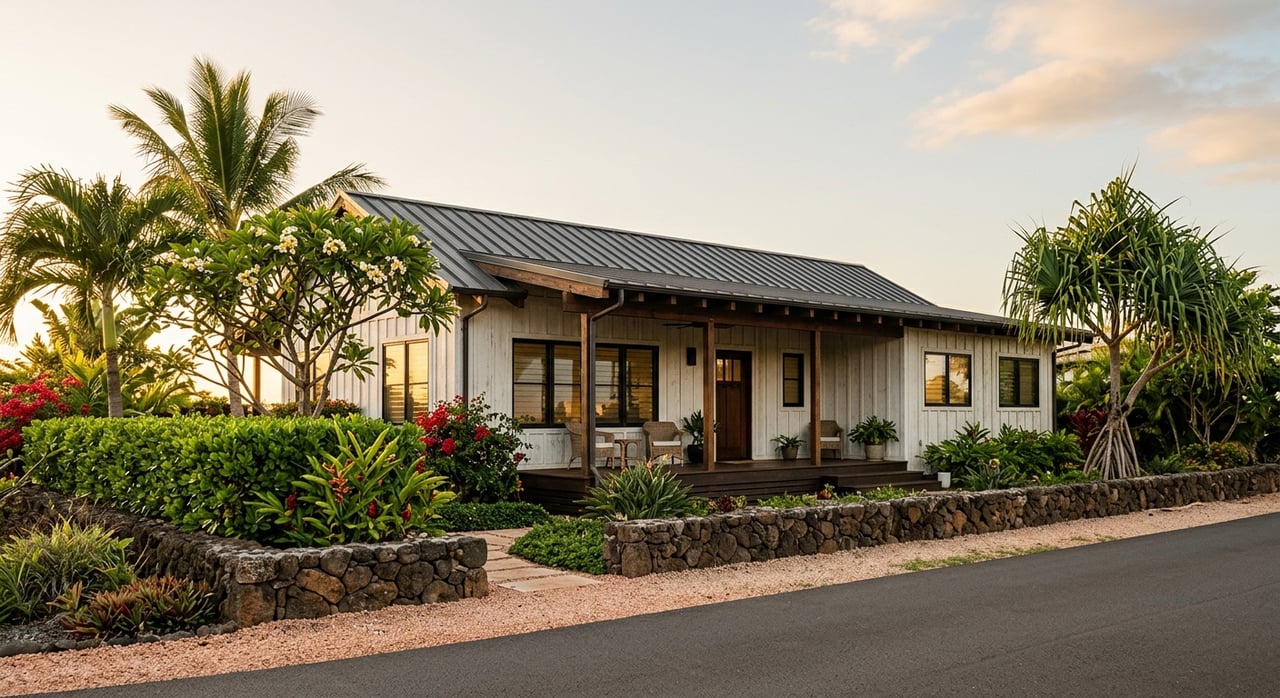
If you picture beachfront living as a long stretch of sand and a resort-style gate, Puakō may surprise you. Owning along Puakō Beach Drive is more personal, more natural, and more tied to the shoreline itself than many buyers expect. If you are considering a home here, it helps to understand how access, coastal rules, and neighborhood character shape daily life. Let’s dive in.
Why Puakō feels different
Puakō sits in South Kohala as a shoreline community made up mostly of single-family homes along both sides of Puakō Beach Drive. County planning materials describe it as a low-key residential area rather than a resort district, with one local store and one paved access road serving the neighborhood.
That setting gives Puakō a distinct rhythm. Instead of shared resort amenities, ownership here is often about your lot, your relationship to the shoreline, and the view corridor around your home. For many buyers, that is exactly the appeal.
The area also carries a strong sense of place. County planning identifies Hokuloa Church, established in 1858, as a continuing community landmark, and the Puakō petroglyph field is recognized by the county as the largest petroglyph field in Hawaiʻi.
What beachfront ownership really means
A beachfront home along Puakō Beach Drive is not just about being near the water. It is about living next to a shoreline that includes small white-sand pockets, lava rock edges, and broad tidal-pool areas. The county’s shoreline-access materials make clear that this is not one continuous sandy beach.
That matters because your day-to-day experience will feel more natural and varied than in a typical beach community. On one stretch, you may find calm tidepools and shoreline walking. On another, you may see rocky entries, reef, or seasonal surf conditions that change how and when you use the water.
Public access is also part of the neighborhood fabric. The county lists 12 separate public shoreline access points along Puakō Beach Drive, so while the area feels residential and low-density, owners should expect shared use of designated access corridors.
Daily life on Puakō Beach Drive
Living here means learning the shoreline’s rhythm. The county says shoreline access areas are generally open 24 hours a day unless otherwise stated, but ocean conditions can shift with the season. High surf, slippery rocks, and strong currents can make entry unsafe even when conditions look calm from shore.
That practical awareness becomes part of ownership. You are not just buying a view. You are buying into a coastal environment where tide, surf, reef, and rock all influence how you enjoy the water.
Circulation is another everyday factor. Because Puakō has one paved access road, getting in and out is simple in one sense, but it also means access and emergency egress are part of the neighborhood conversation.
Shoreline access and ocean use
One of Puakō’s biggest lifestyle draws is how close you are to the water. You can walk to the shoreline from designated public access points, but the route and entry conditions vary. The county notes that the shoreline trail is not continuous, and some entries involve rock or other hazards.
For buyers who love ocean recreation, that is an important distinction. Puakō offers access to swimming, fishing, kayaking, surfing, and shoreline exploration, but it rewards a practical, observant approach rather than a casual assumption that every stretch is easy to enter.
Nearby Waialea Bay, often called Beach 69, adds another layer of value for owners in the area. The Department of Land and Natural Resources identifies it as a 35-acre Marine Life Conservation District, popular for snorkeling and scuba, with strong marine life diversity in Kawaihae Bay.
Waialea Bay also comes with realistic tradeoffs. DLNR notes rough but driveable access, parking near the beach, and no facilities or lifeguards. Winter surf can erode the beach, and freshwater intrusion can affect visibility, so even well-loved ocean spots require local awareness.
Home styles and neighborhood character
Puakō’s housing pattern is a major part of its appeal. The South Kohala Community Development Plan treats the area as a low-density, single-family shoreline community and states that multi-family, resort-related, and multi-story development should be prohibited to preserve existing character.
That planning framework does not guarantee what happens on every individual parcel, but it does explain why Puakō reads as a residential enclave. Buyers are often drawn to the small-scale feel, the direct or nearby shoreline relationship, and the lack of heavy resort infrastructure.
County permit records also point to continued reinvestment in the area. In practical terms, that suggests buyers may encounter a mix of older homes and updated or newer single-family residences rather than a uniform housing stock.
Key due diligence for Puakō buyers
Buying a beachfront or shoreline-adjacent home in Puakō calls for careful property-level review. A beautiful setting is only part of the equation. Coastal rules, physical exposure, and utility planning all deserve early attention.
Check shoreline setbacks and permitting
Hawaiʻi County states that the Special Management Area is intended to protect coastal resources and public access. For lots that abut the shoreline, the county says a minimum 40-foot shoreline setback applies.
Depending on the scope of work, a property may also involve SMA review, shoreline setback variance review, and in some aquatic-area situations, U.S. Army Corps review. If you are considering renovations, additions, or a rebuild, these issues should be reviewed early.
Review flood and surf exposure
Shoreline beauty and shoreline exposure go together. FEMA’s Flood Map Service Center is the official public source for flood-hazard information, and county shoreline materials warn that seasonal surf, currents, and rocky conditions can affect ocean safety.
For a buyer, this means you should look beyond the view. Flood-zone status, site elevation, surf exposure, and shoreline conditions can all shape ownership costs, insurance discussions, and future planning.
Verify short-term rental status
Many second-home buyers ask whether a Puakō property can generate vacation-rental income. The key point is that short-term vacation rental use is not automatic.
County rules state that STVRs are allowed only in certain zoning districts, while other properties may rely on pre-existing or nonconforming-use status and registration compliance. Before you assume rental potential, confirm the parcel’s zoning and any approvals tied to that specific property.
Confirm wastewater details
Wastewater planning is another issue buyers should not overlook. County materials show that Puakō is included in the Puakō and South Kohala Regional Wastewater Master Plan with a 2022 to 2052 planning horizon.
That does not mean every parcel will be affected in the same way, but it does mean you should confirm the property’s current wastewater system and whether future sewer service or conversion is being discussed for that location.
What buyers often love most
For the right buyer, Puakō offers something increasingly rare on the Kohala Coast. It feels residential, low-density, and grounded in the shoreline rather than built around a resort experience.
You may value the quieter setting, the ability to reach the water through multiple public access points, and the everyday connection to tidepools, reef, and sunset views. You may also appreciate that ownership here tends to feel personal and place-specific, with each lot offering a different shoreline relationship.
That said, Puakō works best when you embrace it for what it is. It is not defined by club amenities or extensive infrastructure. It is defined by coastal character, practical ownership considerations, and a setting that rewards buyers who want an authentic shoreline lifestyle.
If you are exploring beachfront ownership along Puakō Beach Drive, local guidance matters. The details that shape value here are often highly specific to the parcel, the shoreline, and your long-term goals. To talk through opportunities in Puakō and the Kona-Kohala Coast, connect with Frank Schenk & Nicolaas Schenk.
FAQs
Can you walk to the beach from homes along Puakō Beach Drive?
- Yes. The county lists 12 public shoreline access points along Puakō Beach Drive, but the shoreline is not one continuous sand beach and some access points involve rocky terrain.
Is snorkeling good near Puakō, Hawaii?
- Yes. Nearby Waialea Bay is a Marine Life Conservation District, and DLNR says its marine life diversity is among the best in Kawaihae Bay.
Does Puakō, Hawaii feel private for homeowners?
- Puakō feels residential and low-density, but public shoreline access is part of the neighborhood, so owners should expect shared use of designated access paths.
Are homes in Puakō part of a resort community?
- Generally no. County planning describes Puakō as a small-scale single-family shoreline community rather than a resort district.
Can you use a Puakō beachfront home as a short-term vacation rental?
- Not automatically. County rules require buyers to verify zoning, approvals, and any pre-existing or nonconforming-use status before assuming STVR use is allowed.
What should buyers check before purchasing a beachfront home in Puakō?
- Buyers should review shoreline setbacks, possible SMA permitting, flood-hazard information, surf and shoreline exposure, short-term rental status, and the property’s wastewater setup.