If you are selling a luxury estate in Kūkiʻo, a standard islandwide approach is not enough. This is a small, private, amenity-driven market where buyers are selective, supply is limited, and every detail of your property’s presentation can shape value. When you understand how pricing, positioning, and discretion work together here, you can make smarter decisions from the start. Let’s dive in.
Why Kūkiʻo Requires a Different Selling Strategy
Kūkiʻo is not a typical resort neighborhood, and it should not be treated like one. The community is a private residential equity club on the Kona-Kohala coast, adjacent to the Four Seasons Hotel, with membership exclusive to residents of Kūkiʻo, Maniniʻōwali, and Kaʻūpūlehu. That structure creates a more self-selecting buyer pool than you would see in a broader luxury market.
Supply is also unusually limited. The core neighborhood spans 675 landscaped acres and includes 143 home sites plus 31 cottages near the club and ocean. For sellers, that scarcity matters because buyers are not simply comparing your home to the broader Big Island market. They are comparing it to a very small set of homes in a highly specific setting.
The value proposition goes far beyond the residence itself. Kūkiʻo includes a Beach Club with concierge service, dining, a beach bar, spa and fitness facilities, a library, a games room, and an Outdoor Pursuits program, along with a Tom Fazio-designed 18-hole championship course and a 10-hole short course. In practice, that means you are selling a combination of home, privacy, club access, and lifestyle.
Price From the Top of the Market
One of the biggest mistakes a seller can make in Kūkiʻo is leaning too heavily on broad island statistics. In June 2026, Hawaiʻi Island recorded a median single-family sales price of $599,800 and a median condominium price of $535,000. Those numbers may help with general context, but they do not reflect the pricing dynamics of a luxury estate in Kūkiʻo.
A better reference point is the island’s ultra-luxury segment. In Q1 2026, the Hawaiʻi Island $3 million and above market posted a median sold price of $8.75 million, with 19 sales and an average of 124 days on market. That data shows a much more relevant environment, where buyers move carefully and expect strong quality, prime location, privacy, views, and long-term value.
Because Kūkiʻo is a thin market with few direct comparables, pricing needs a top-down approach. Recent resort and ultra-luxury sales matter more than broad county medians, and even small property differences can affect value in a meaningful way. Ocean proximity, view corridors, golf frontage, finish quality, and privacy all deserve close attention before a price is set.
What sellers should review early
Before launching your listing, it helps to review a few value drivers with care:
- Recent luxury and resort-area comparable sales
- Your home’s specific location within Kūkiʻo
- View orientation and protected sightlines
- Proximity to club amenities and the coast
- Architectural quality and condition
- Privacy from adjacent properties
- Current carrying costs, including tax classification
Holding Costs Can Shape Pricing Decisions
In a market where decision cycles may take longer, carrying costs matter. Hawaiʻi County’s FY 2026-27 real property tax schedule includes residential tiers of $11.10 per $1,000 up to $2 million, $14.50 per $1,000 from $2 million to $4 million, and $17.00 per $1,000 above $4 million. The Hotel/Resort rate is $11.55 per $1,000, and the Homeowner rate is $5.75 per $1,000.
For many Kūkiʻo sellers, this is not just an accounting detail. Tax class and annual holding costs can influence your net proceeds, your ideal timing, and how firmly you want to price at launch. Reviewing these numbers early can help you avoid strategy changes later.
Presentation Matters More in a Selective Market
Luxury buyers in West Hawaiʻi are often deliberate. Recent luxury-market commentary noted that high-end shoppers are more discerning and slower to commit, which makes preparation and presentation especially important. In a place like Kūkiʻo, a polished launch is not optional. It is part of the value story.
That does not mean over-staging or trying to make the home feel flashy. The better goal is to make the property feel effortless, calm, and ready to enjoy from day one. Buyers at this level often respond to a sense of ease as much as visible luxury.
Focus on the full arrival experience
In Kūkiʻo, presentation should reflect how the property lives within the resort setting. That usually means looking beyond interior square footage and paying close attention to the experience of the home as a whole.
Key elements often include:
- Arrival sequence from entry to main living spaces
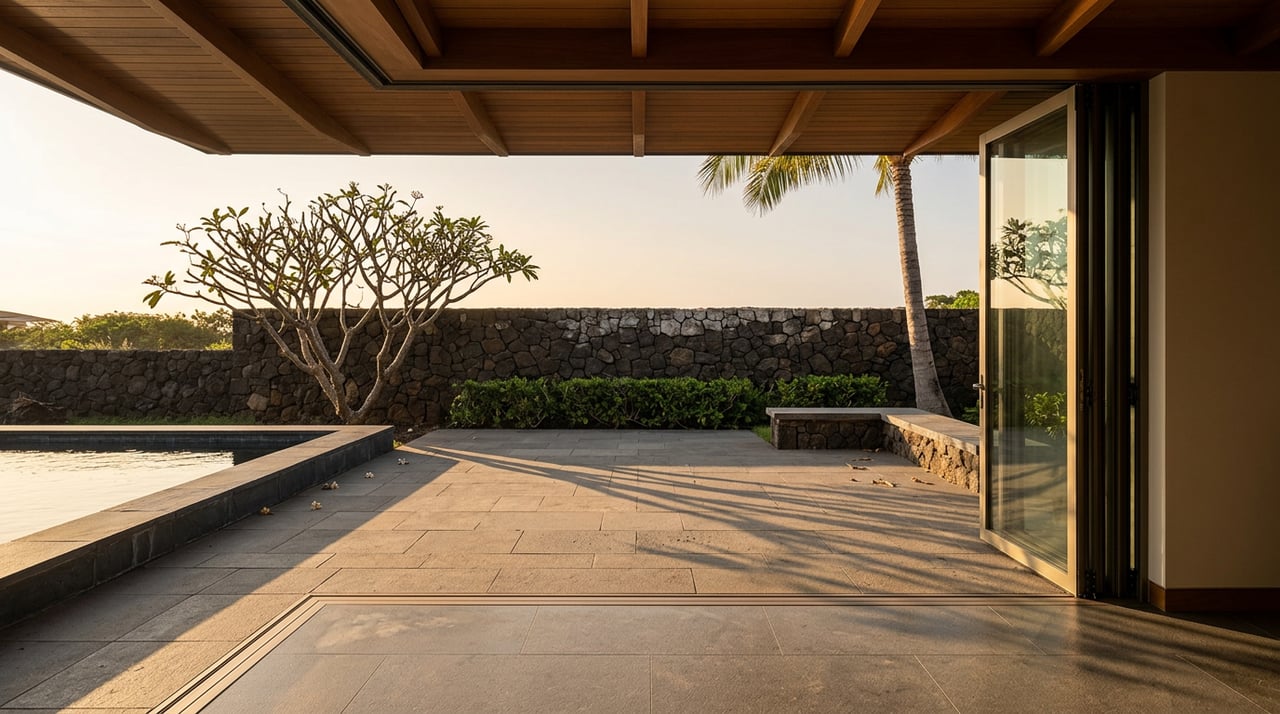
- Indoor-outdoor flow
- Framed ocean, golf, or sunset views
- Landscape quality and maintenance
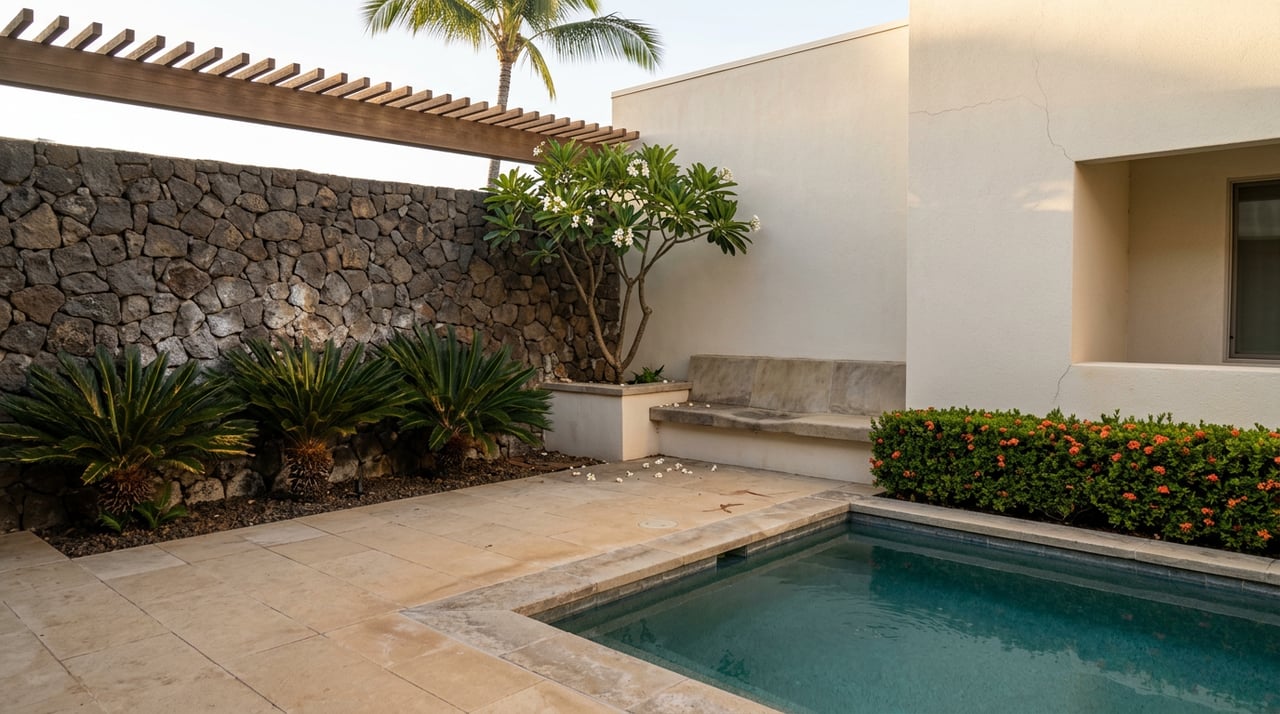
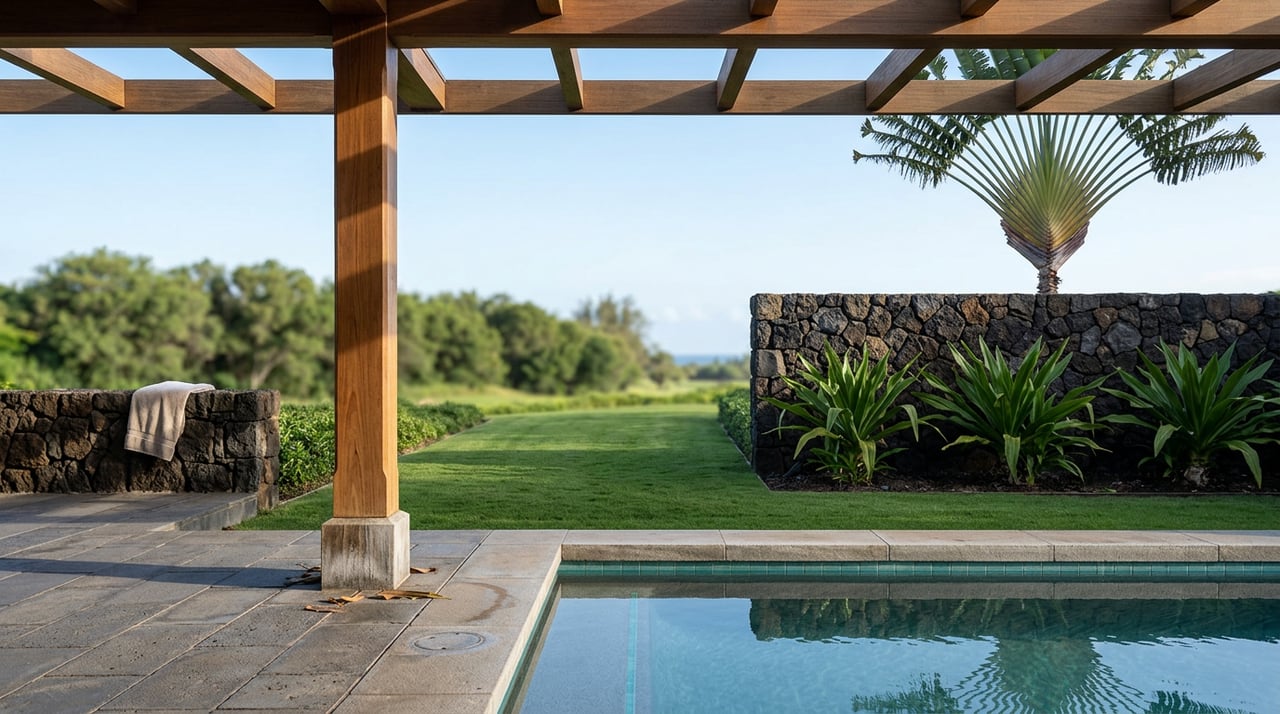
- Pool, lanai, and exterior entertaining areas
- Exterior lighting for evening showings
- Furnishings and finishes that support a refined, turnkey feel
The tone should feel polished but restrained. Since the Beach Club setting includes historic Hawaiian fish ponds and archaeological preserves, the broader context of Kūkiʻo carries a strong sense of place. A marketing presentation that feels elegant, quiet, and respectful of the landscape is usually better aligned with the community than one that feels heavily commercial.
Market the Lifestyle With Precision
A Kūkiʻo estate is rarely just about square footage, bedroom count, or a list of finishes. Buyers are often drawn to privacy, club access, the coastal setting, and the ease of ownership. The club’s own emphasis on concierge coordination and attentive service also supports a hospitality-first narrative that many luxury buyers understand immediately.
That means your marketing should communicate how the home supports daily life. Instead of only describing features, the stronger approach is to show how the property functions within the rhythm of the community. The message should be that ownership feels seamless, private, and well-supported.
What strong marketing should communicate
Your listing strategy should clearly and factually express:
- The home’s setting within Kūkiʻo
- The relationship between the residence and community amenities
- The quality of privacy, views, and outdoor living
- The level of finish and readiness for immediate use
- The sense of ease that comes with ownership in a service-oriented environment
Discretion Is Valuable, but Compliance Still Matters
Because the buyer pool is small and self-selecting, broad public exposure is not always the most effective approach. In many cases, qualified outreach, private showings, and careful buyer screening can be more efficient than casting a wide net. That is especially true when the property is highly specialized and the ideal buyer already understands the value of the club environment.
Still, discretion does not replace legal advertising requirements. Hawaiʻi’s Real Estate Advertising Guidelines require the licensed name, license status, brokerage name, and the HUD logo, slogan, or statement. The guidelines also prohibit advertising that may promote discrimination, which means all marketing should stay factual, neutral, and fair-housing compliant.
For sellers, this is one reason specialist representation matters. In a high-end, private market, your marketing should feel elegant and low-pressure while still meeting every required standard.
Due Diligence Can Strengthen Buyer Confidence
For ocean-adjacent and coastal properties, due diligence can affect buyer comfort before negotiations even begin. Hawaiʻi’s Department of Land and Natural Resources maintains a Flood Hazard Assessment Tool with searchable flood map information, and FEMA flood mapping products are also part of the review process for hazard status.
Flood-zone status can influence insurance requirements and premiums, so it is worth verifying early. Even if there are no surprises, being prepared with accurate property information helps support a smoother conversation with serious buyers. In a market where buyers are careful, readiness builds confidence.
Why Specialist Representation Matters in Kūkiʻo
Selling in Kūkiʻo is a pricing assignment, a marketing assignment, and a trust assignment all at once. The neighborhood’s limited inventory, membership-linked structure, and amenity-driven value proposition make it more complex than a typical luxury listing on the Big Island. Success often depends on reading a thin market correctly and presenting the property in a way that feels both elevated and credible.
That is where hyperlocal resort-market knowledge can make a real difference. You want guidance that understands scarce comparables, club-oriented buyer psychology, polished presentation standards, and Hawaiʻi-specific advertising and coastal due diligence considerations. In a market this nuanced, experience and judgment matter.
If you are considering the sale of a Kūkiʻo estate, working with a team that understands the Kona-Kohala luxury resort corridor can help you approach the process with more clarity and confidence. Connect with Frank Schenk & Nicolaas Schenk for thoughtful guidance tailored to your property and goals.
FAQs
How is selling a luxury estate in Kūkiʻo different from selling elsewhere on Hawaiʻi Island?
- Kūkiʻo has a limited inventory, a private club structure, and a more self-selecting buyer pool, so pricing and marketing usually need to be more targeted than in the broader island market.
What pricing data matters most for a Kūkiʻo luxury estate?
- Recent resort-area and ultra-luxury comparable sales are usually more relevant than general Hawaiʻi Island median price data because Kūkiʻo operates in a much higher and thinner segment of the market.
What do buyers usually value most in a Kūkiʻo estate listing?
- Buyers often focus on privacy, views, ocean proximity, golf frontage, finish quality, indoor-outdoor living, and how the home connects to the club lifestyle.
Why does presentation matter so much when selling a Kūkiʻo home?
- High-end buyers in West Hawaiʻi can be selective and slower to decide, so a well-prepared, turnkey presentation helps support value and creates a stronger first impression.
What should a seller verify before listing a coastal Kūkiʻo property?
- It is smart to confirm items such as real property tax classification, carrying costs, and flood-hazard information early so you can answer buyer questions clearly and avoid delays.