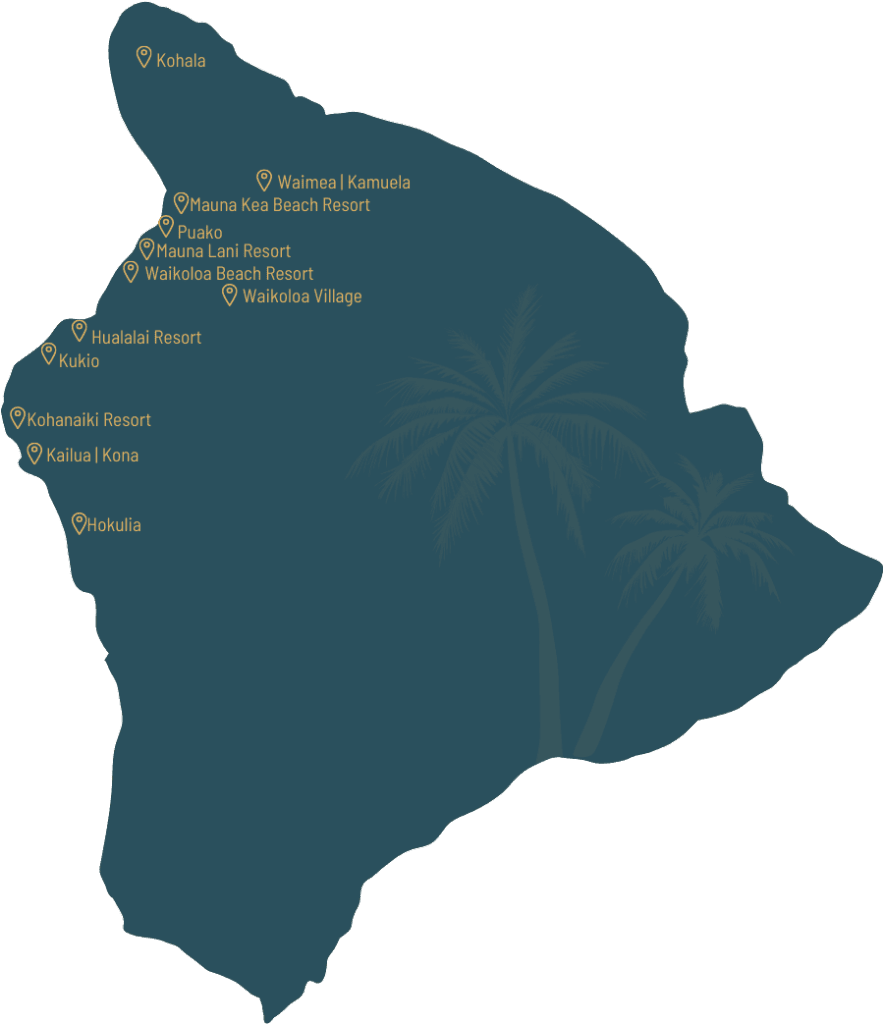
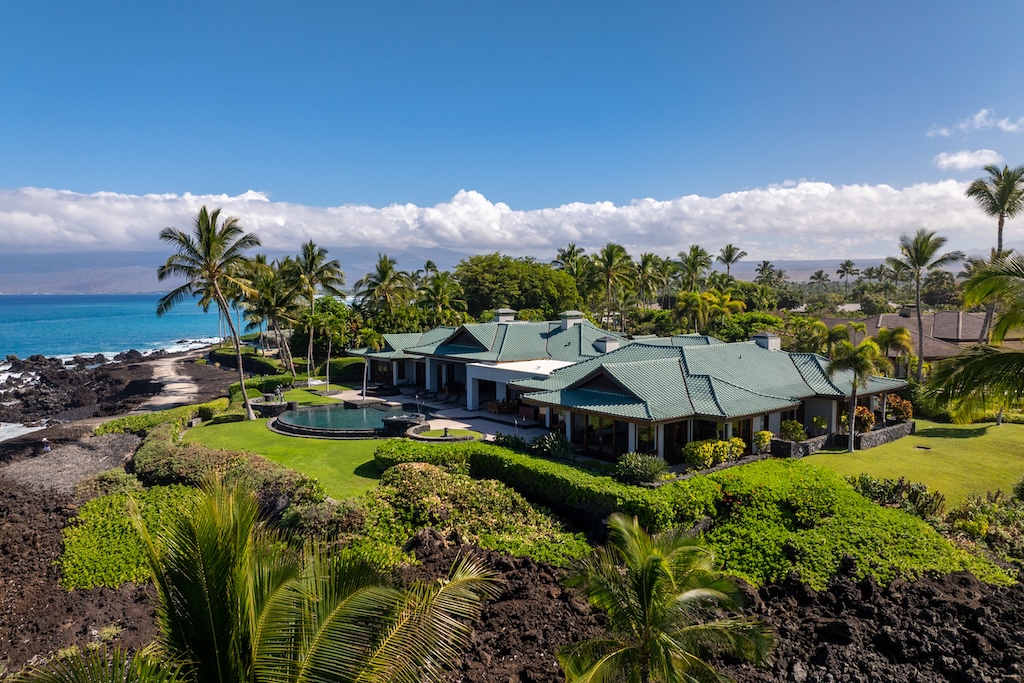
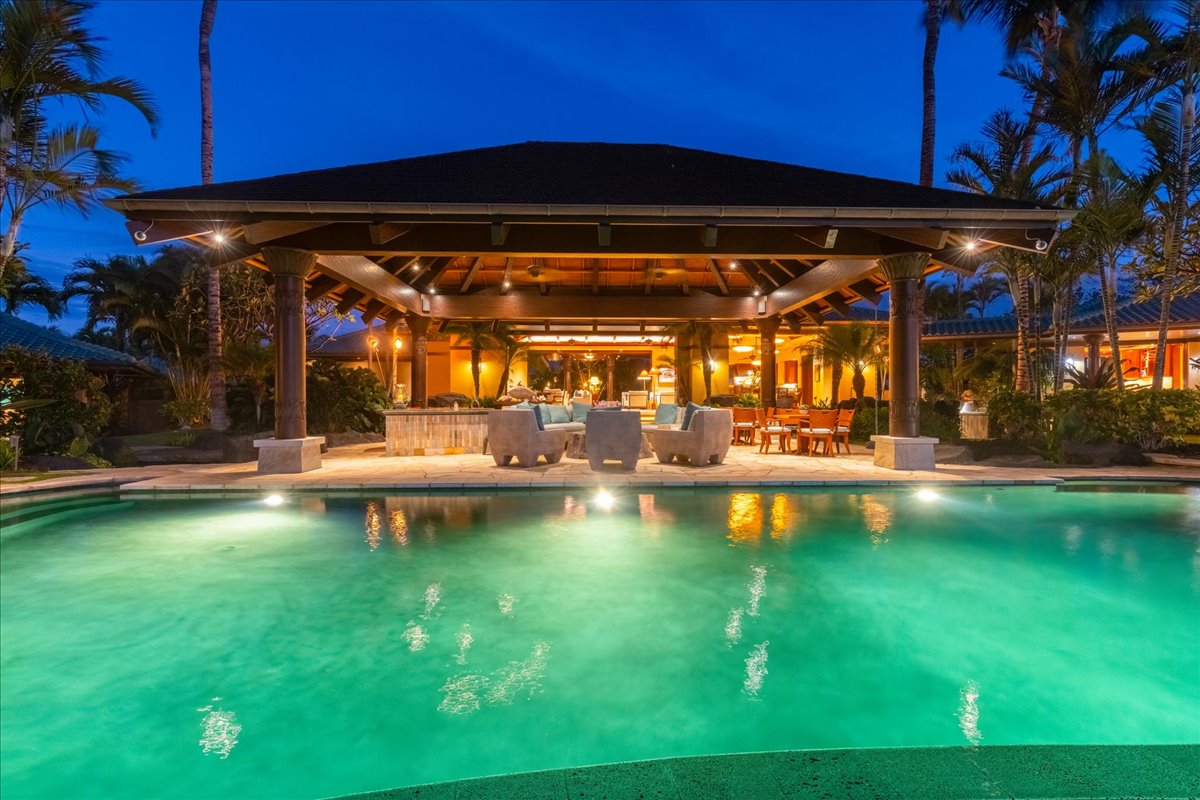
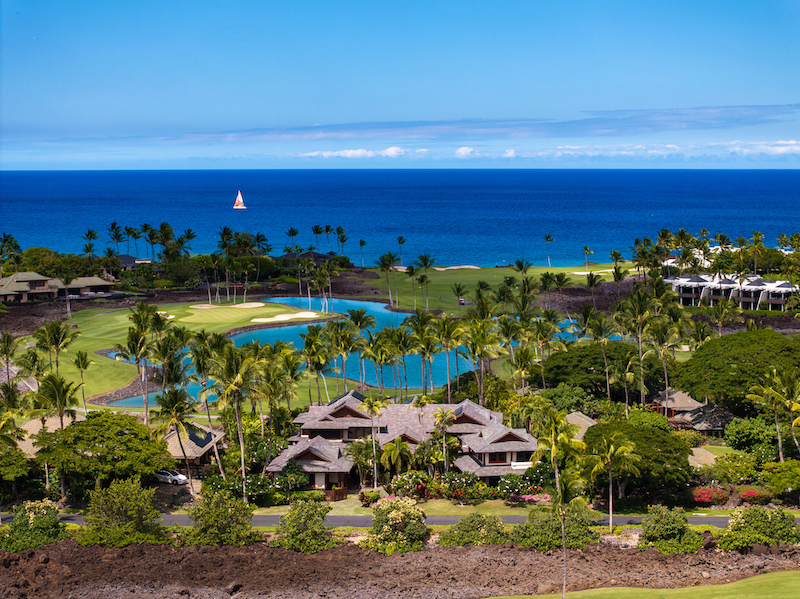
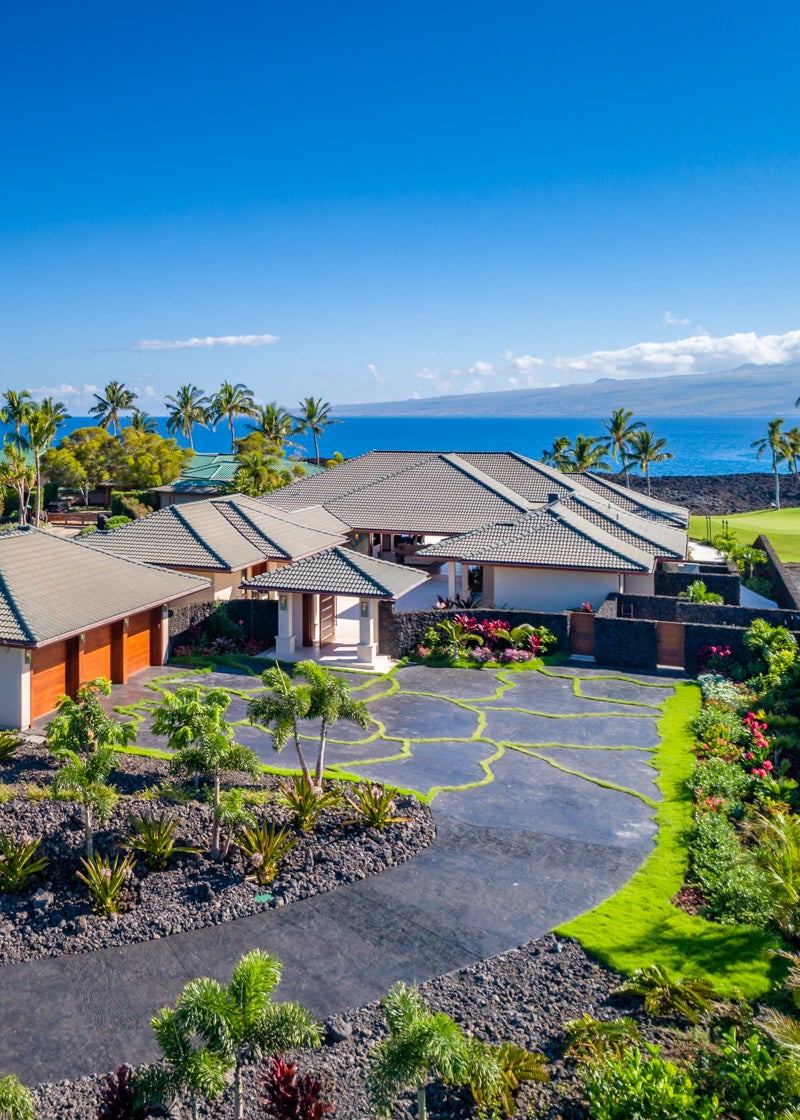
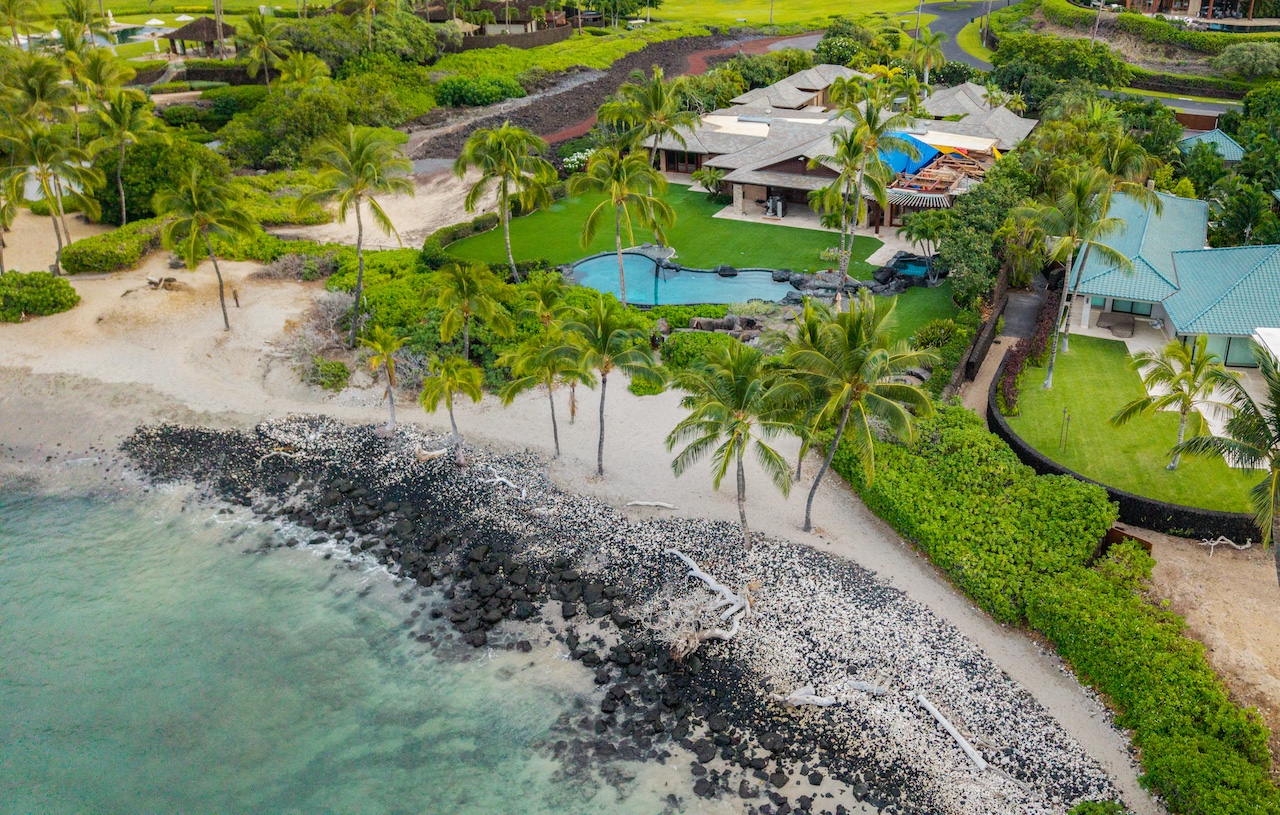
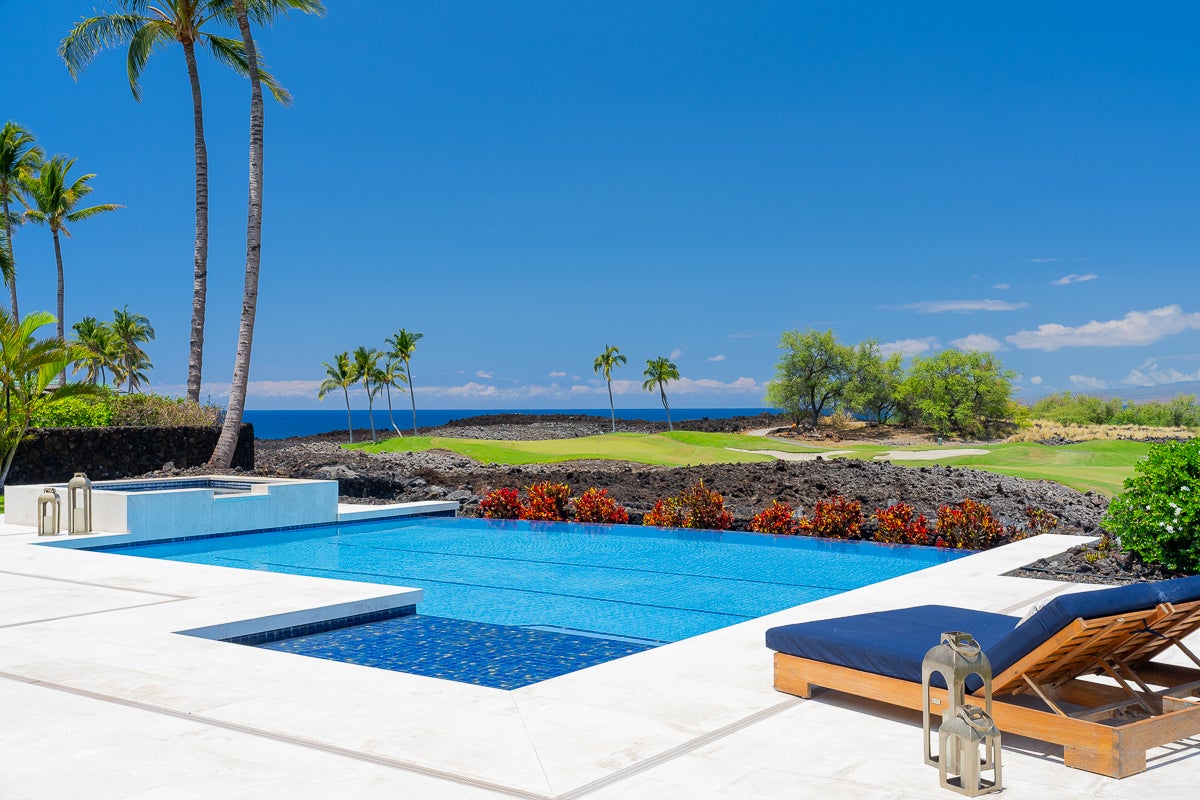
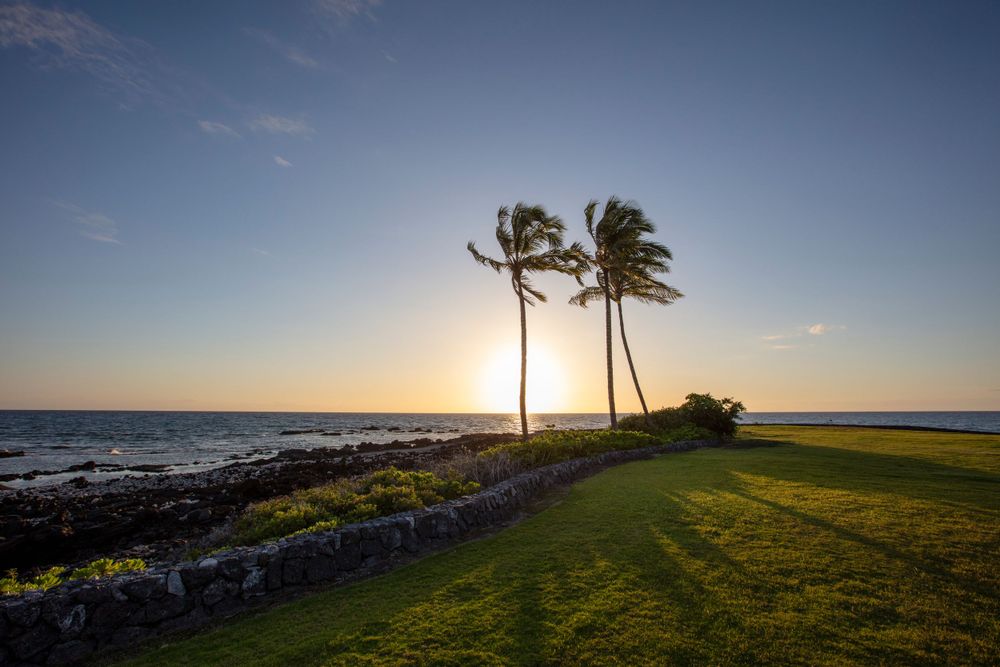
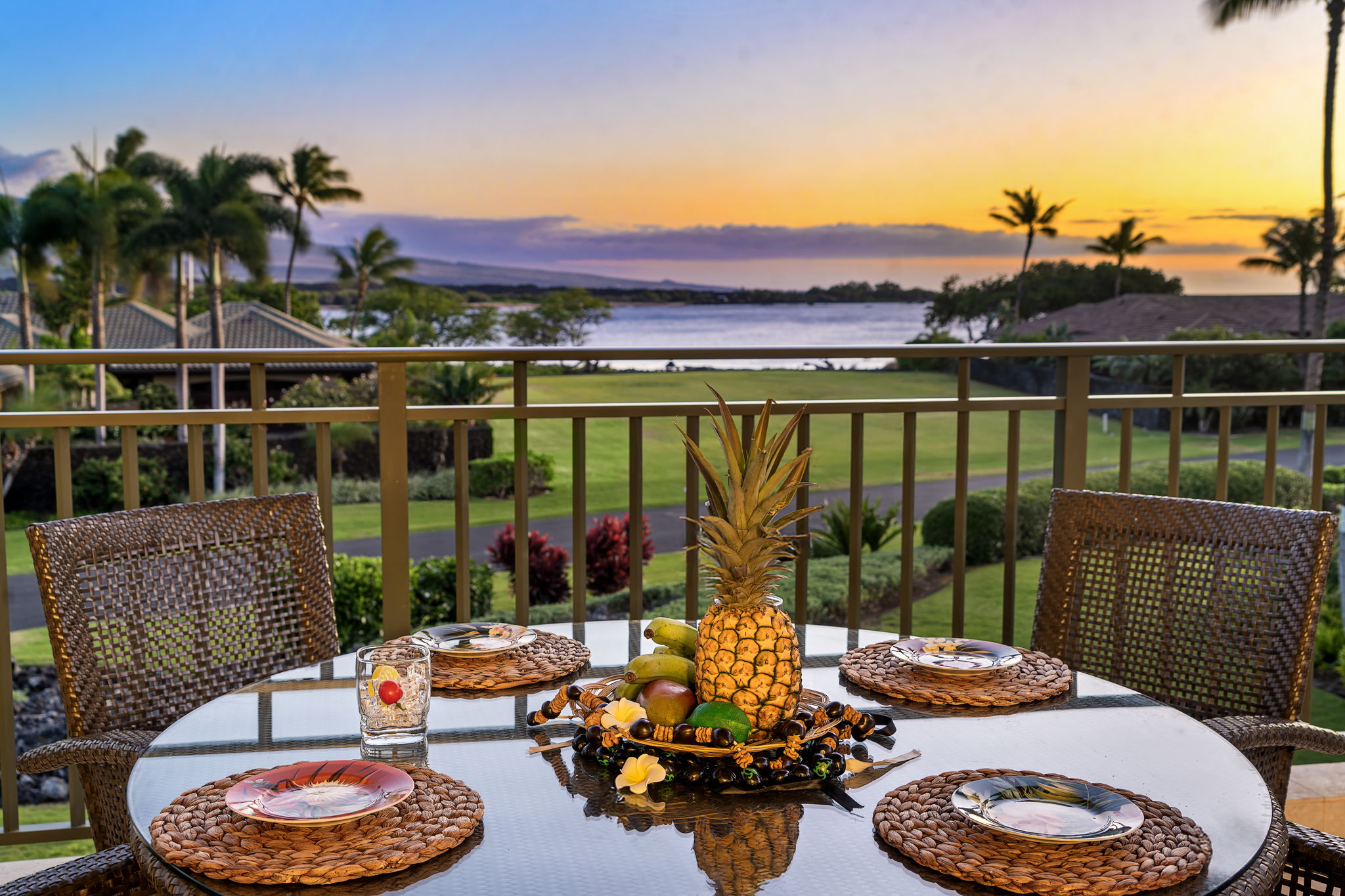
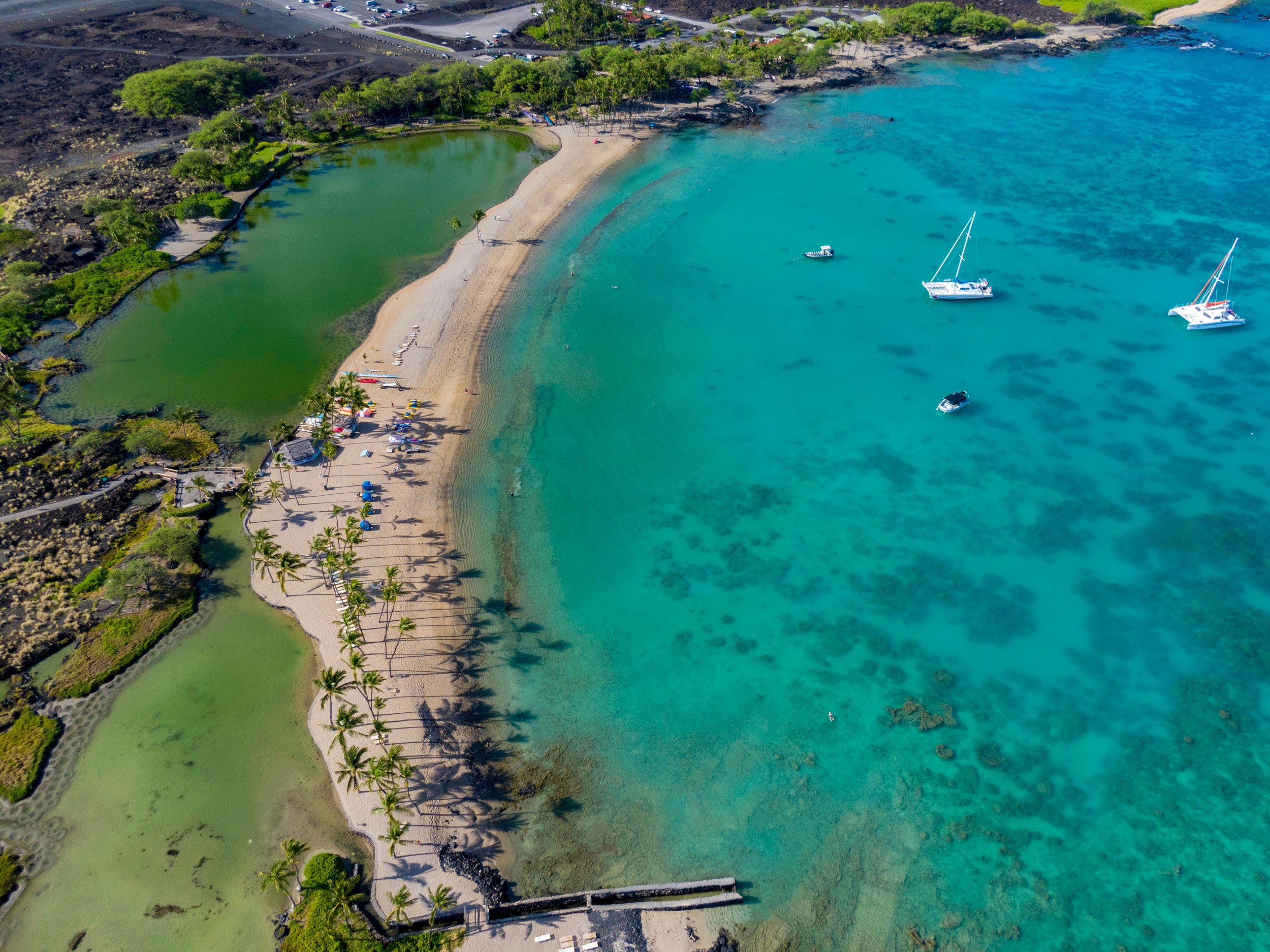
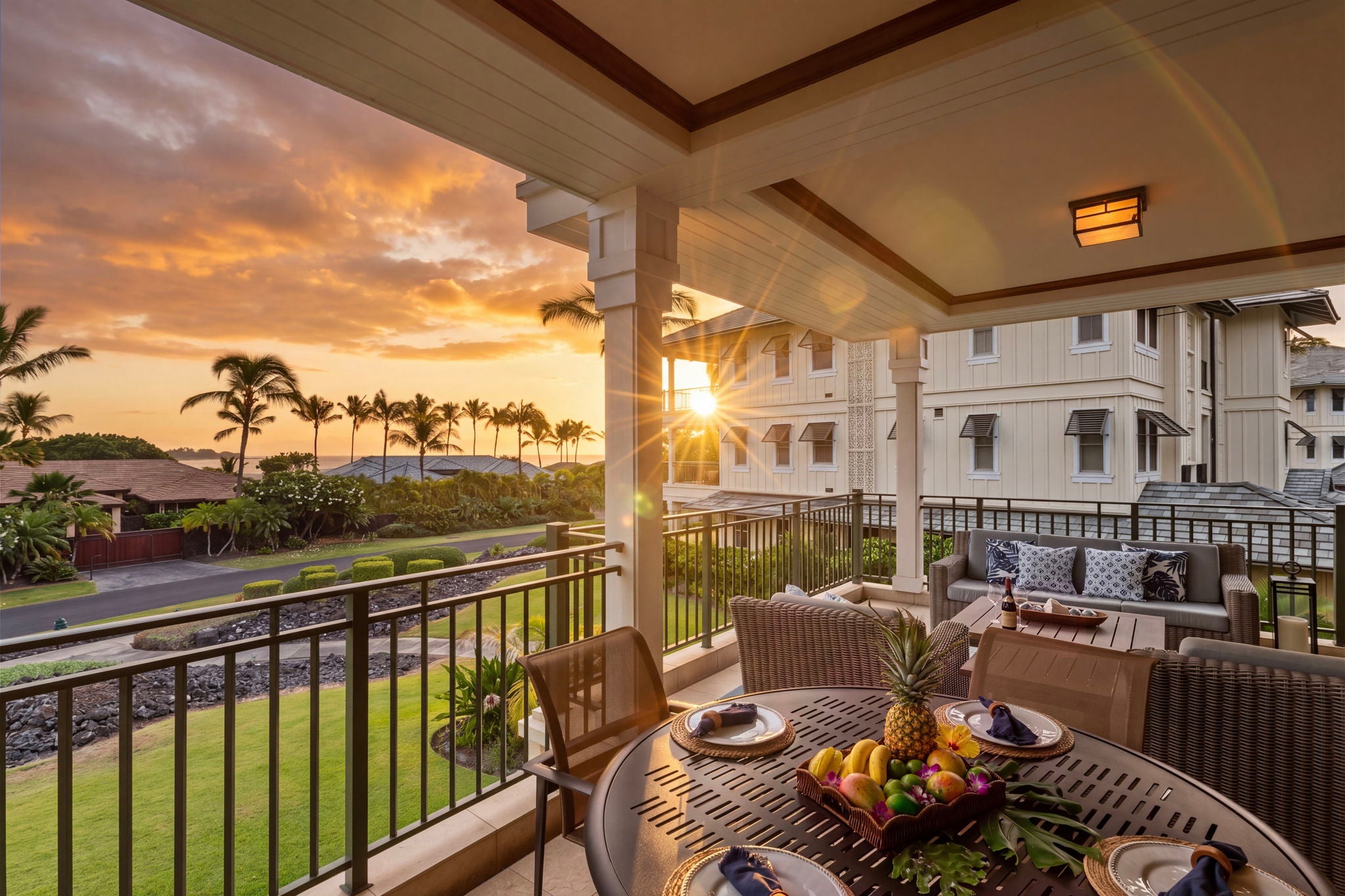
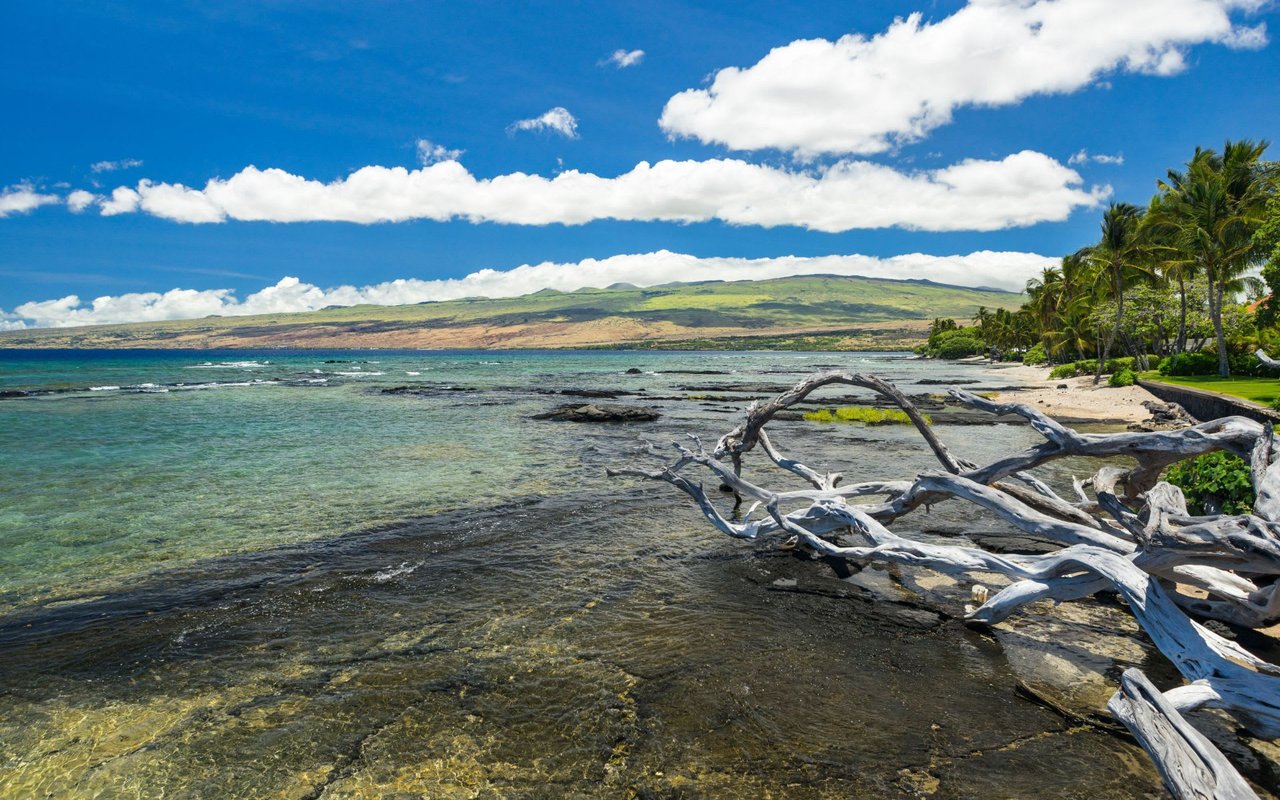
Life in Puako moves at a pace defined by the tide rather than the resort clock. Tucked along the Kohala Coast between the Mauna Lani and Mauna Kea resorts, Puako is the only oceanfront residential community on this stretch of coastline that sits outside a Gold Coast resort or gated development — a genuinely independent, low-key neighborhood where singing birds, ocean breezes, and a slower rhythm of life define daily living. Days unfold around the water itself: snorkeling and diving some of the Big Island's clearest reef, walking or biking the community's single three-mile road, and exploring one of Hawaii's largest concentrations of ancient petroglyphs, found just south of the neighborhood in an open archaeological park dating back to 1200 AD. Residents enjoy Puako's authentic, unpolished charm while remaining just minutes from world-class golf, dining, and spa amenities at the neighboring Kohala Coast resorts.
Puako's roots run deeper than any resort on the Kohala Coast. It's believed the first Polynesians arrived here between 750 and 1000 AD, and archaeological evidence suggests Puako has been a thriving community since roughly 1250 AD — serving Hawaiian communities for salt production, fishing, commerce, and even as a retreat for Hawaiian ali'i (royalty) long before the concept of a resort existed. That deep cultural history remains tangible throughout the neighborhood today, not preserved behind glass but woven into daily life.
Modern Puako took shape in 1952, when the Territorial Government subdivided the land into 163 lots split evenly on either side of the community's newly built dead-end road — makai (oceanfront) lots on one side and mauka (mountain-side) lots on the other. Oceanfront lots originally sold for $1,000 and mountain-side lots for $500, with a requirement that a home worth at least $1,500 be built within five years. Many of those original homes remain today, mixed with more modern luxury construction added over the decades — creating a unique blending of architectural styles that gives Puako a character no master-planned resort can replicate. Notably, Puako is not subject to the restrictive covenants that govern its resort neighbors, giving homeowners genuine design freedom rarely found along this coastline.
Puako attracts homeowners who specifically want an authentic, low-key alternative to Kohala Coast resort living.
Full-Time Residents and Longtime Locals
Many Puako homeowners live in the community year-round, drawn by its close-knit character, relaxed pace, and freedom from resort HOA structures and restrictive covenants.
Second-Home and Vacation Buyers
Puako's proximity to Mauna Lani and Mauna Kea Resorts allows second-home owners to enjoy resort-caliber amenities minutes away while returning each evening to a quieter, more residential setting.
Historic Home Enthusiasts
Buyers specifically drawn to authentic mid-century Hawaii architecture seek out Puako's original 1950s-era homes, many still standing on generous oceanfront lots with mature tropical landscaping.
Divers, Snorkelers, and Ocean Enthusiasts
Puako's exceptional reef access and clear water draw residents for whom daily ocean recreation is central to the decision to live here rather than at a golf-oriented resort.
Buyers Seeking Design Freedom
Because Puako isn't governed by the restrictive covenants common to nearby resort communities, it appeals to buyers who want genuine architectural flexibility when building or renovating.
Puako offers one of the Kohala Coast's most distinctive and limited real estate markets, encompassing roughly 160 lots across the community's oceanfront and mountain-side sections. Because the neighborhood's only road runs for three miles directly along the coast, pricing and character diverge sharply depending on which side of the street a property sits — oceanfront (makai) parcels command significant premiums over mauka lots just across the road.
Inventory remains genuinely scarce, with many long-held family properties rarely reaching the market. When they do, Puako draws serious interest from buyers specifically seeking the neighborhood's combination of authentic history, direct beach access, and independence from resort restrictions — qualities that set it apart from every other community along South Kohala.
Historic Oceanfront Homes
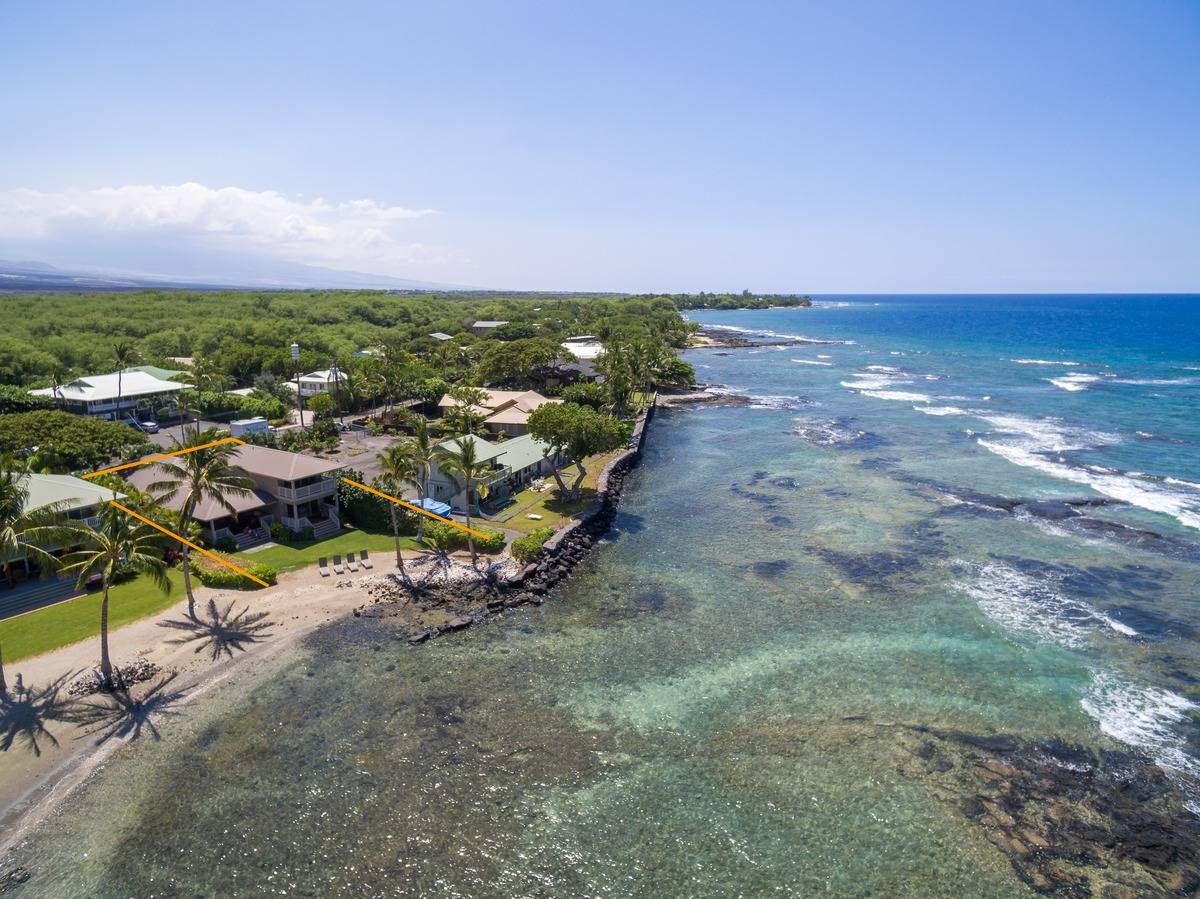
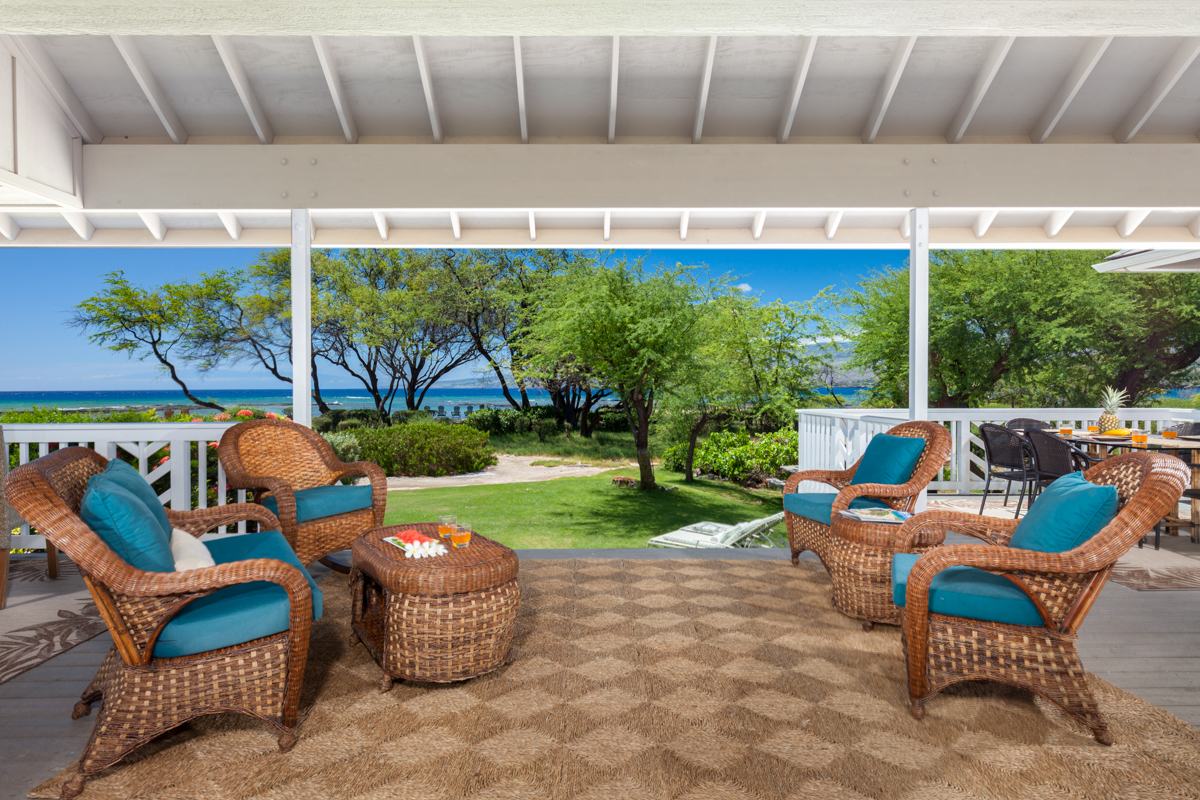
Puako is one of the few places on the Big Island with historic homes directly on the beach — original mid-century residences on generous makai parcels, some featuring natural anchialine ponds and decades of mature tropical landscaping.
Contemporary Oceanfront Estates
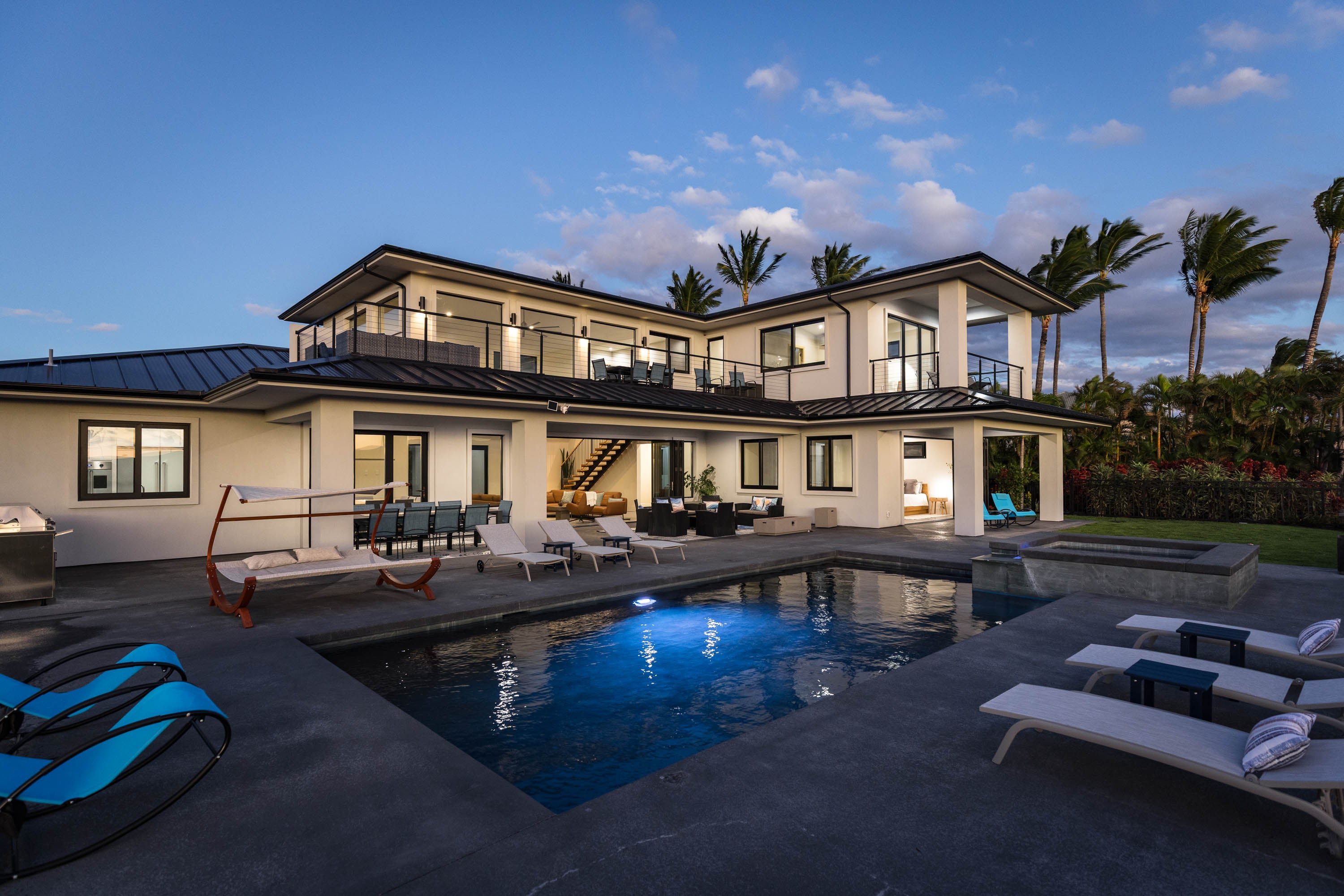
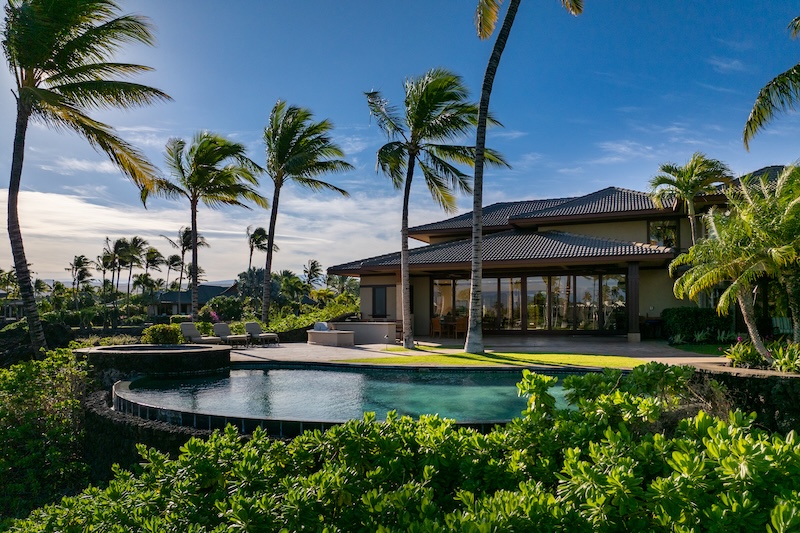
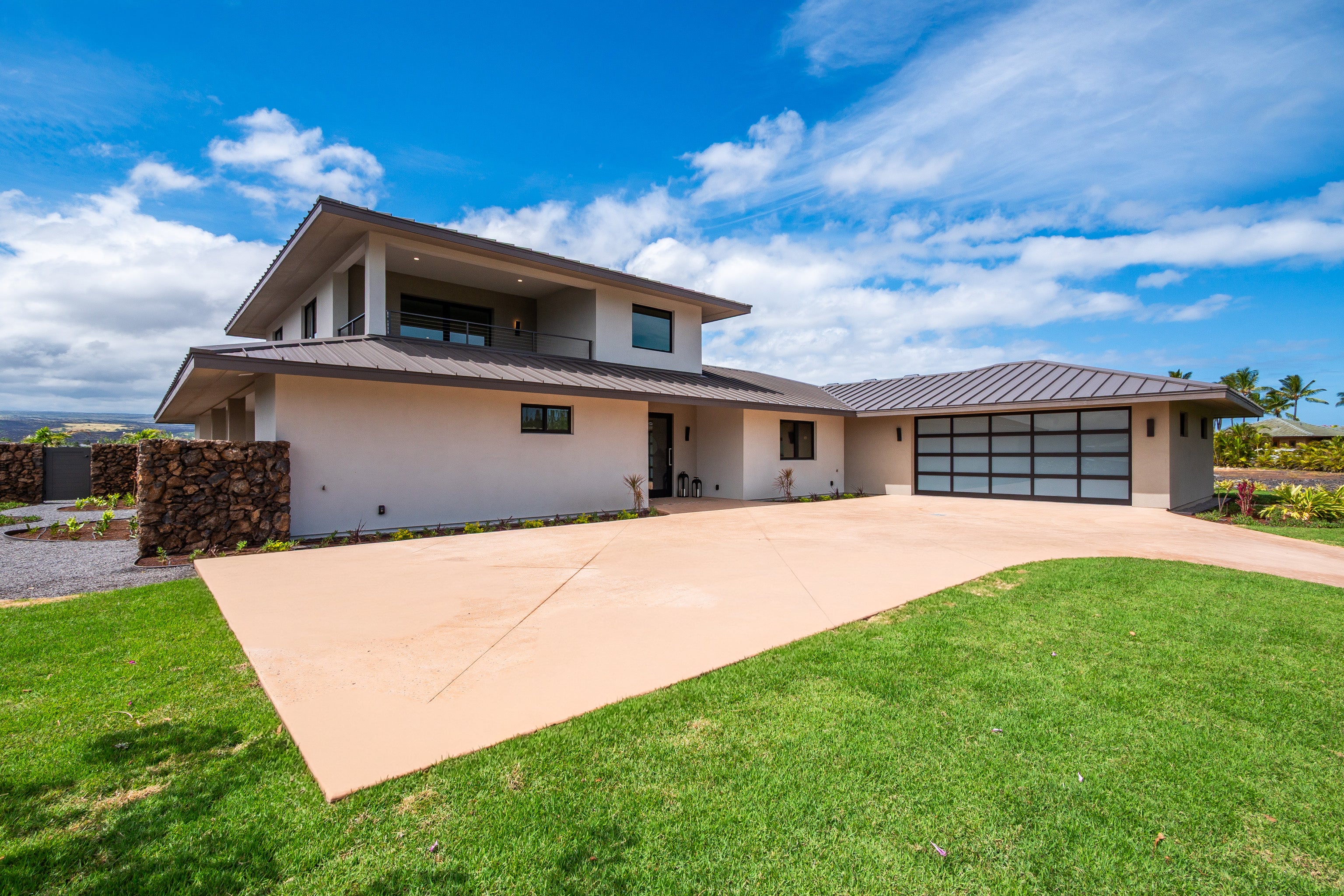
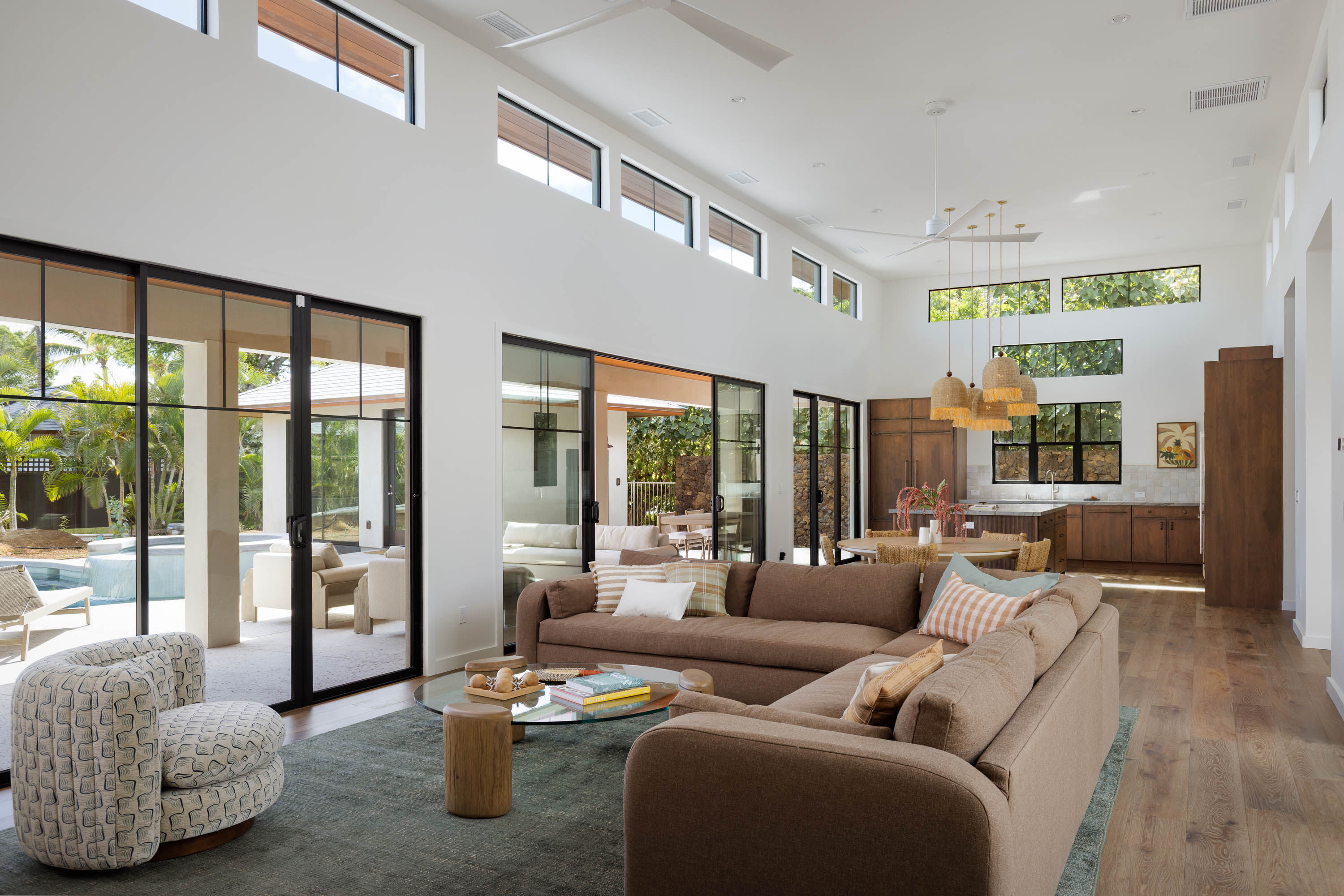
Newer custom-built homes along Puako's beachfront combine modern design and finishes with direct ocean access, appealing to buyers who want the location without taking on a historic renovation.
Mauka (Mountain-Side) Homes
Properties on the inland side of Puako Beach Drive offer more accessible entry points into the community, trading direct oceanfront for proximity to the beach at a comparatively lower price point.
Vacant Land & Buildable Lots
Both oceanfront and mauka parcels occasionally come to market, giving buyers the opportunity to design a custom home within one of the Kohala Coast's most storied settings.
Condominiums
A small supply of condominium units, including buildings like Puako Beach Apartments, offers lower-maintenance ownership with pool access and partial ocean views for buyers seeking an easier entry point.
Owning in Puako means owning a piece of genuine Hawaiian history rather than a manufactured resort experience. Residents benefit from direct access to some of the Kohala Coast's clearest snorkeling and diving water, proximity to one of Hawaii's largest petroglyph fields, and the freedom of a community unrestricted by resort covenants — while still being minutes from the golf, dining, and spa amenities of Mauna Lani and Mauna Kea Resorts. The neighborhood's eclectic mix of original 1950s homes and modern custom estates, combined with its deep cultural roots stretching back over a thousand years, gives Puako a depth of identity that few communities on the island can match.
Makai vs. Mauka Positioning
Oceanfront and mountain-side parcels carry meaningfully different price points and lifestyle experiences. Clarify which fits your priorities before narrowing a search.
Architectural Freedom
Puako's lack of restrictive covenants offers genuine design flexibility, but also means neighboring properties may vary significantly in style, age, and condition — worth factoring into your evaluation of any specific street or block.
Historic vs New Construction
Many original 1950s-era homes remain standing. Buyers should weigh the appeal of authentic vintage character against the cost and effort of renovation compared to purchasing newer construction or vacant land.
Proximity to Resort Amenities
While independent of any resort, Puako sits minutes from Mauna Lani and Mauna Kea, giving residents optional access to golf, dining, and spa amenities without resort HOA obligations or fees.
Cultural and Archaeological Significance
Puako's centuries of Hawaiian history, including nearby petroglyph fields and ancient settlement sites, add a depth of place that resort communities cannot replicate — a meaningful consideration for buyers drawn to authentic Hawaiian heritage.
Highlight the "Old Hawaii" Character
Puako's independence from resort restrictions and its centuries-deep cultural history are significant differentiators. Marketing should emphasize this authenticity alongside direct oceanfront access.
Showcase Water Access and Reef Quality
Puako's clear water and exceptional reef access for snorkeling and diving are major draws — professional photography should capture both the property and its immediate ocean environment.
Emphasize Scarcity
With only around 160 lots in the entire community and limited turnover, Puako properties should be marketed with a clear sense of the neighborhood's genuine rarity along the Kohala Coast.
Price to Position
Oceanfront, mauka, historic, and newly built properties each carry distinct value profiles. Pricing should reflect recent comparable sales specific to lot position and home condition rather than broad Kohala Coast averages.
With extensive experience representing luxury properties across Hawaii's premier coastal communities, Frank & Nicolaas Shenk provide exceptional guidance for buyers and sellers navigating Puako's uniquely independent market. Their deep understanding of Puako's makai and mauka distinctions, the neighborhood's mix of historic and contemporary construction, lava zone and insurance considerations, and the nuanced differences between oceanfront, mountain-side, and condominium ownership allows them to deliver personalized strategies tailored to each client's lifestyle and investment goals. Whether you're searching for a historic oceanfront home steeped in Old Hawaii character, a buildable lot to design a custom residence, an accessible mauka-side entry point, or preparing to sell a legacy Puako property, Frank & Nicolaas are committed to delivering expert representation, outstanding service, and a seamless real estate experience from beginning to closing.
302 people live in PUAKO, where the median age is 63.1 and the average individual income is $120,150. Data provided by the U.S. Census Bureau.
Total Population
Median Age
Population Density Population Density This is the number of people per square mile in a neighborhood.
Average individual Income
PUAKO has 154 households, with an average household size of 1.96. Data provided by the U.S. Census Bureau. Here’s what the people living in PUAKO do for work — and how long it takes them to get there. Data provided by the U.S. Census Bureau. 302 people call PUAKO home. The population density is 94 and the largest age group is Data provided by the U.S. Census Bureau.
Total Population
Population Density Population Density This is the number of people per square mile in a neighborhood.
Median Age
Men vs Women
Population by Age Group
0-9 Years
10-17 Years
18-24 Years
25-64 Years
65-74 Years
75+ Years
Education Level
Total Households
Average Household Size
Average individual Income
Households with Children
With Children:
Without Children:
Marital Status
Blue vs White Collar Workers
Blue Collar:
White Collar: