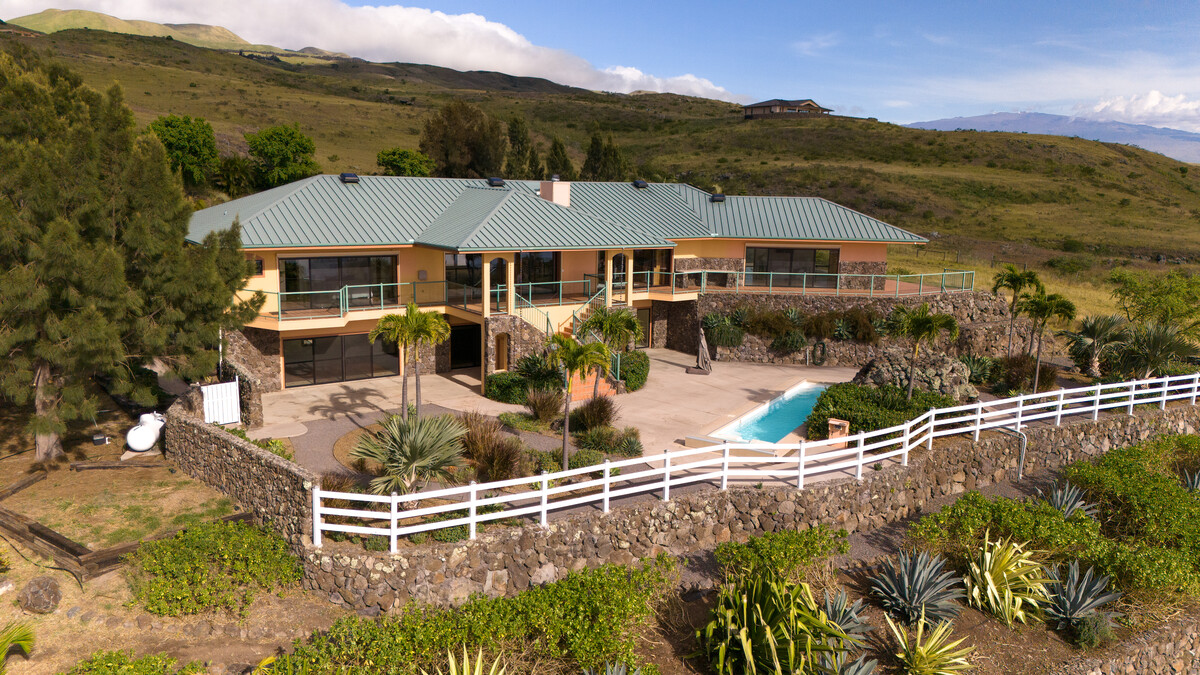
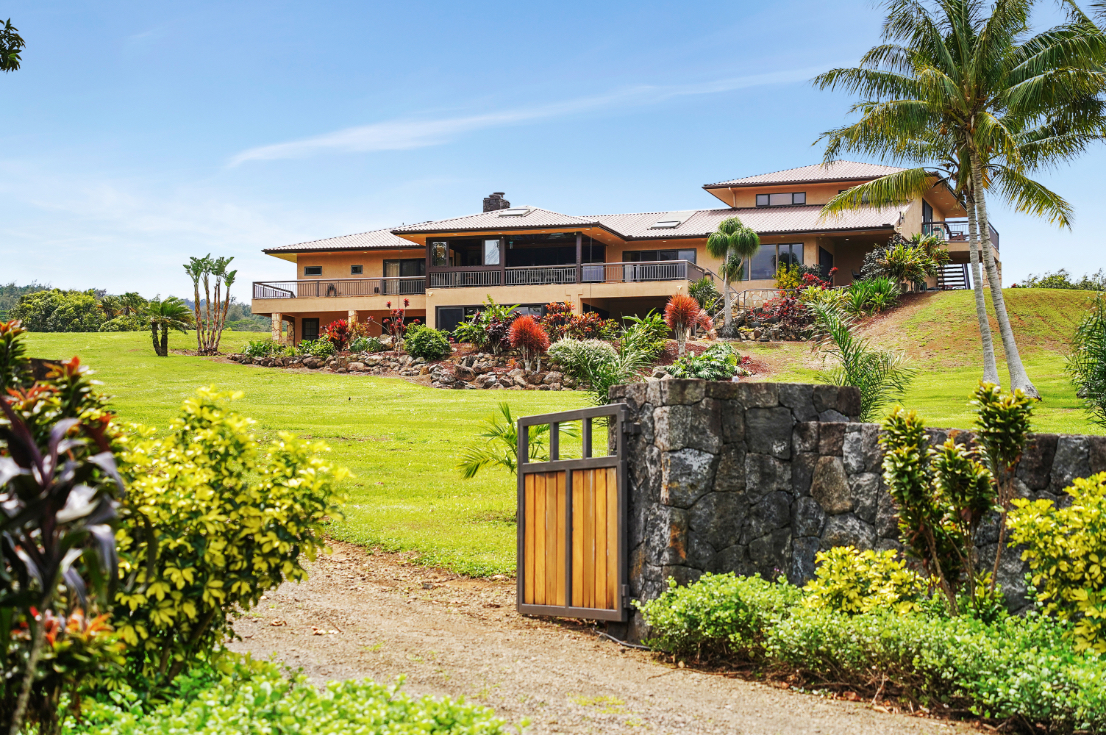
Kohala attracts residents who value natural beauty, cultural heritage, and a slower, more intentional island lifestyle on Hawaiʻi Island’s northern coast.
Families and Multi-Generational Households:
Many families choose Kohala for its tight-knit community, strong local traditions, and access to public and charter schools. Multi-generational living is common, reflecting the area’s deep-rooted Hawaiian culture and emphasis on family connections.
Remote Professionals and Lifestyle Movers:
With the rise of remote work, Kohala has become appealing to professionals relocating from the mainland who want open space, ocean views, and a quieter pace of life while staying connected digitally.
Retirees and Second-Home Owners:
Retirees are drawn to Kohala for its warm climate, scenic surroundings, and peaceful atmosphere. Second-home buyers often seek properties that offer privacy, views of the coastline or mountains, and proximity to outdoor recreation.
Agricultural Residents and Ranching Families:
Kohala’s history as a ranching and farming region remains strong. Many residents are involved in agriculture, ranching, or land stewardship, contributing to the area’s rural character and self-sustaining lifestyle.
Culturally Connected Locals:
Kohala is known for its strong Hawaiian identity, with residents actively involved in cultural preservation, local festivals, and community events that celebrate history, hula, music, and the land.
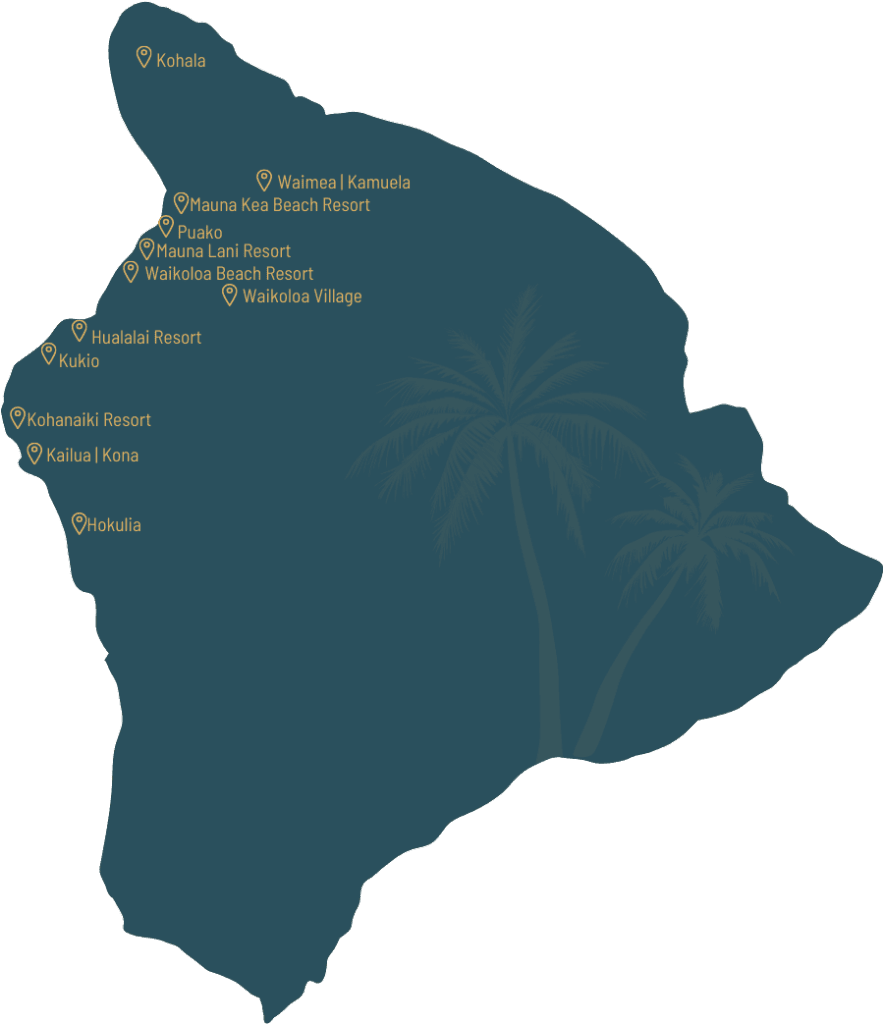
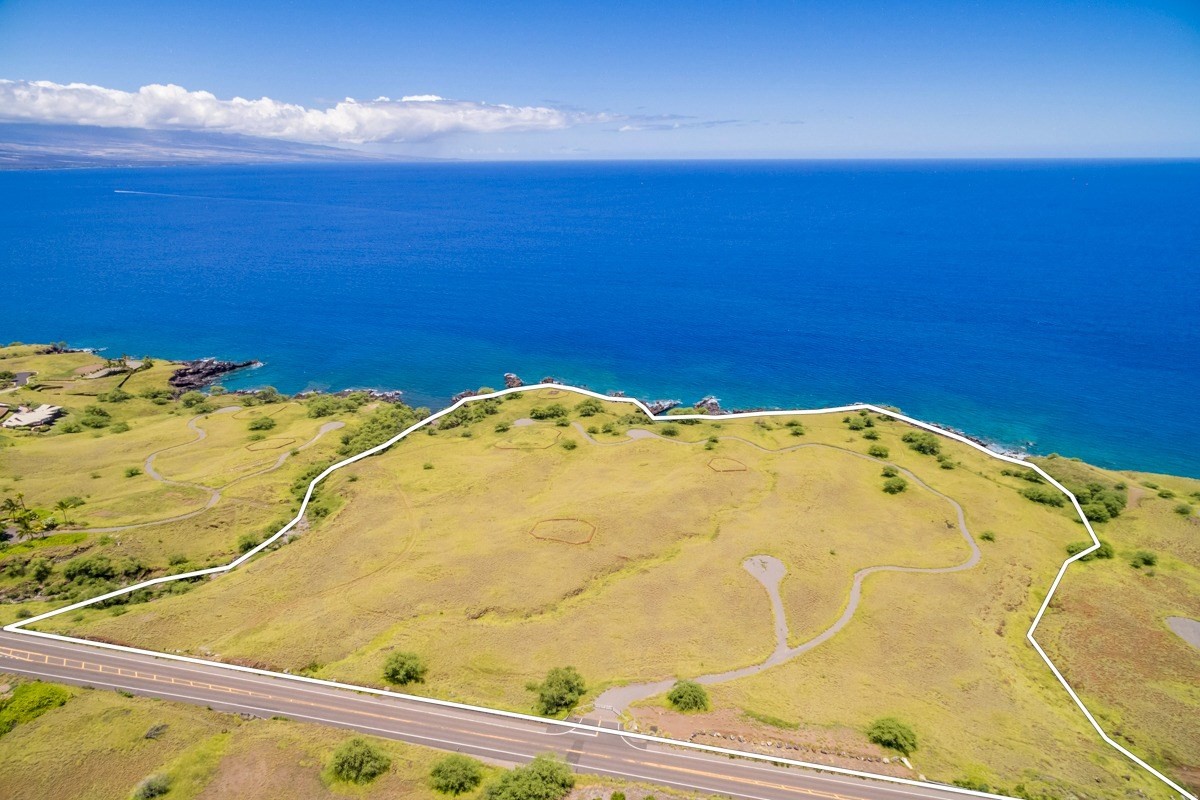
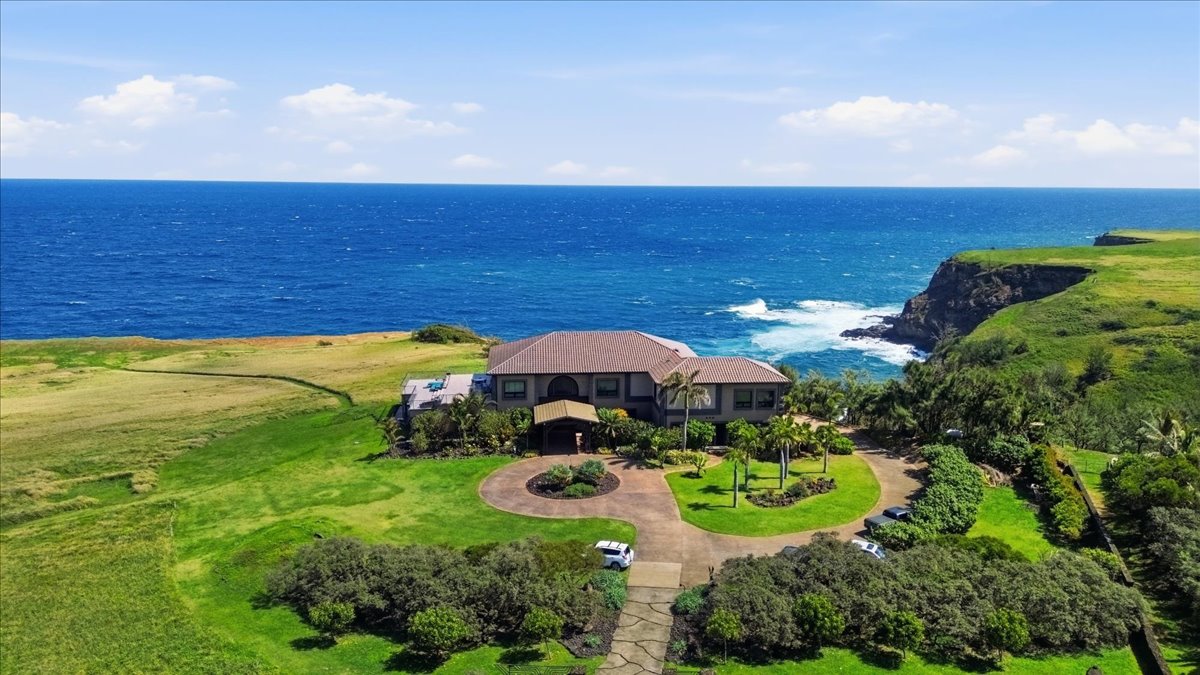
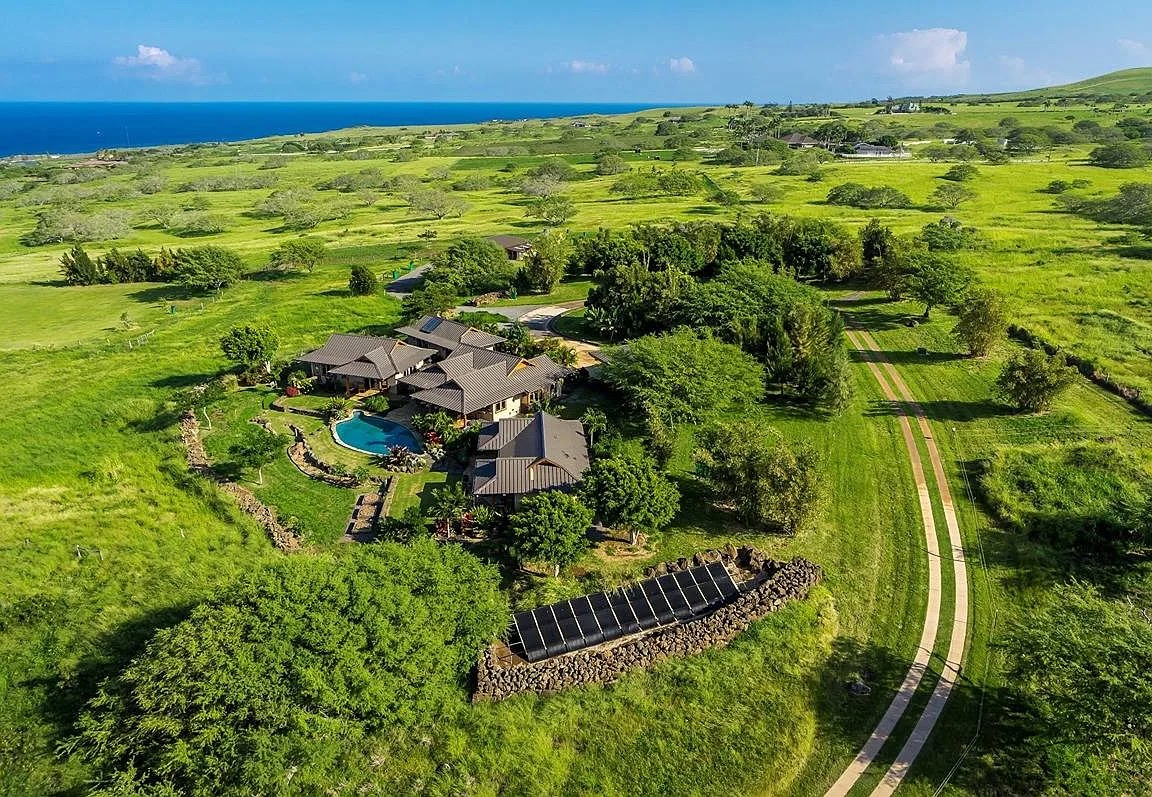
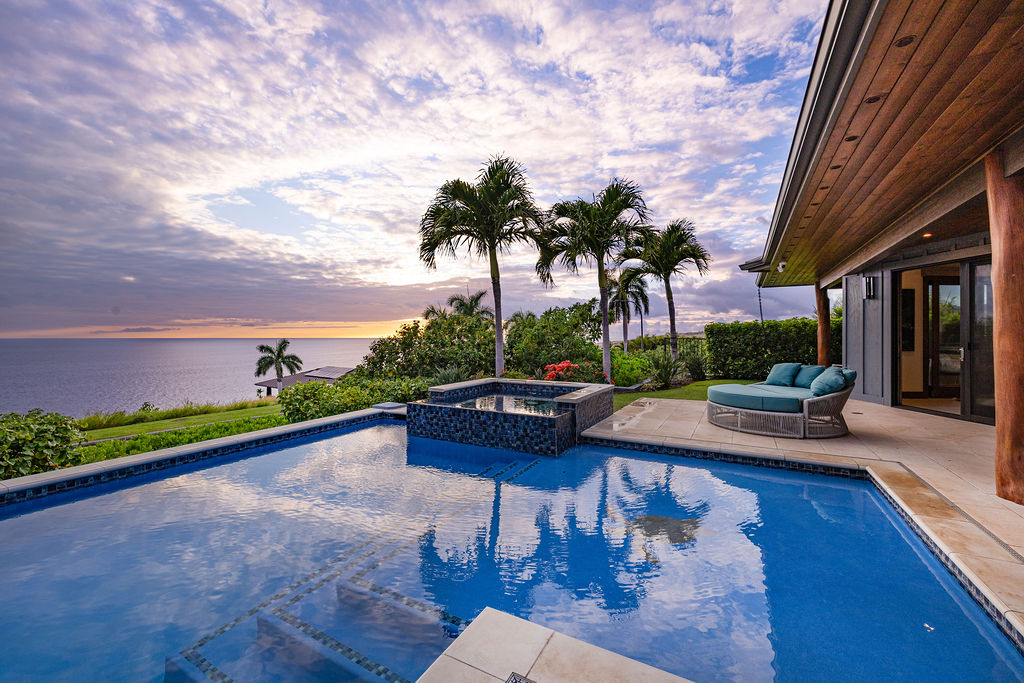
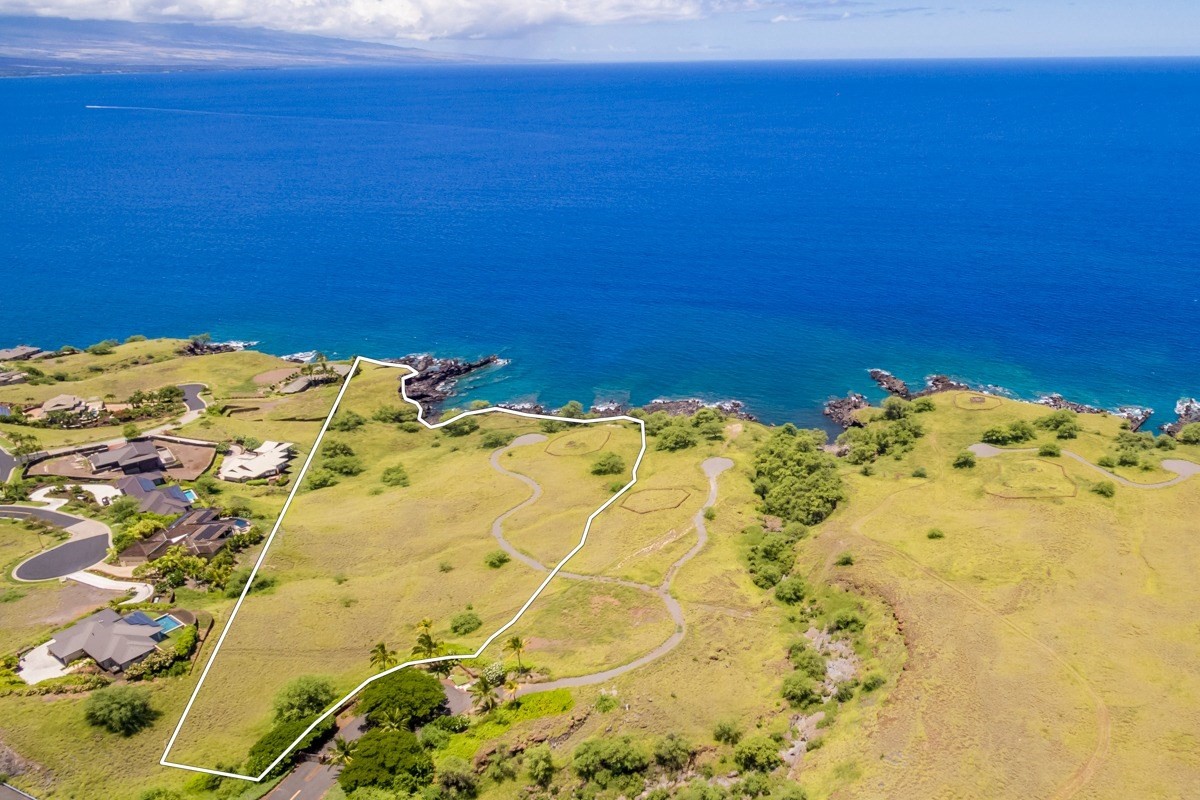
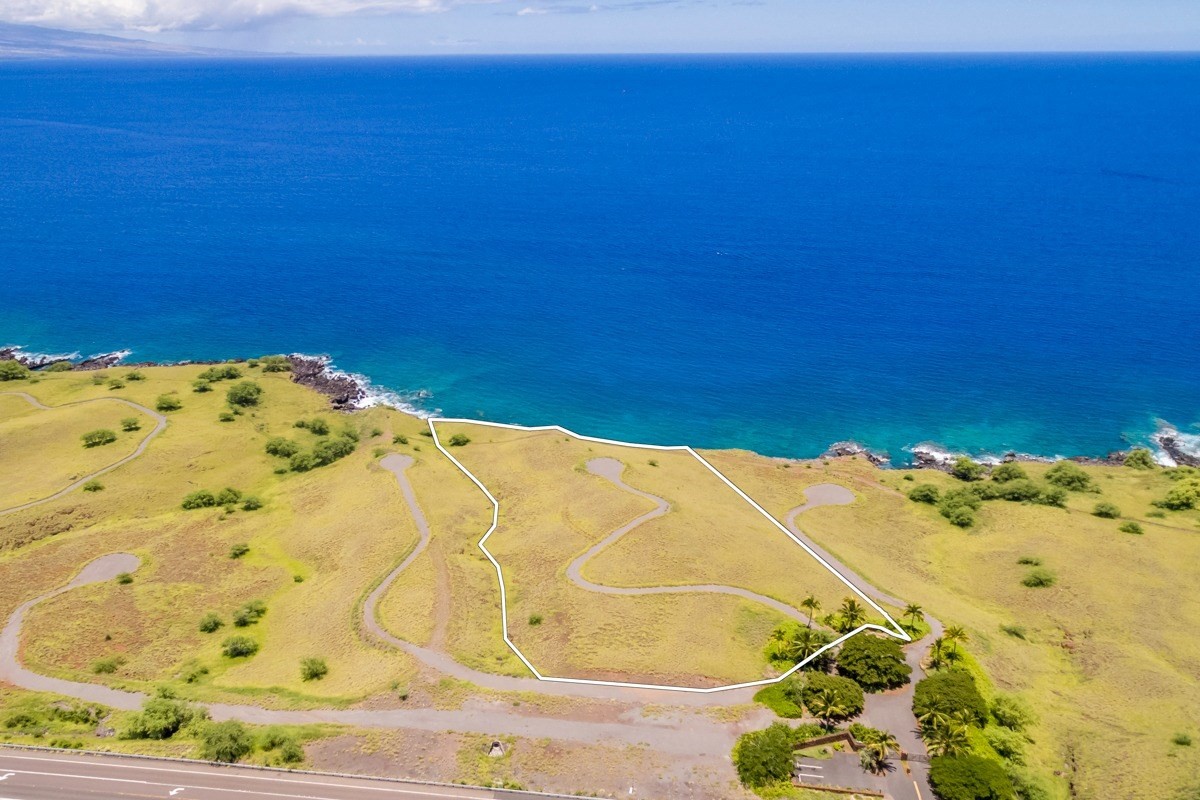
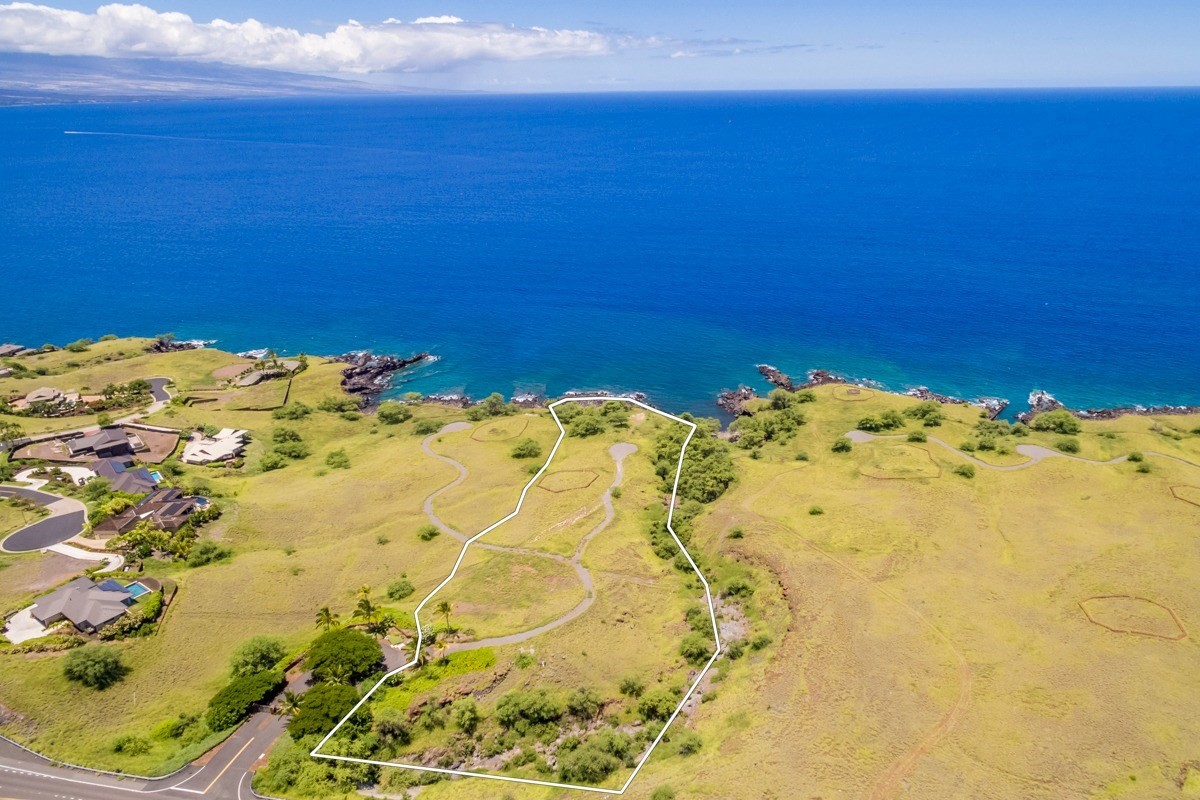
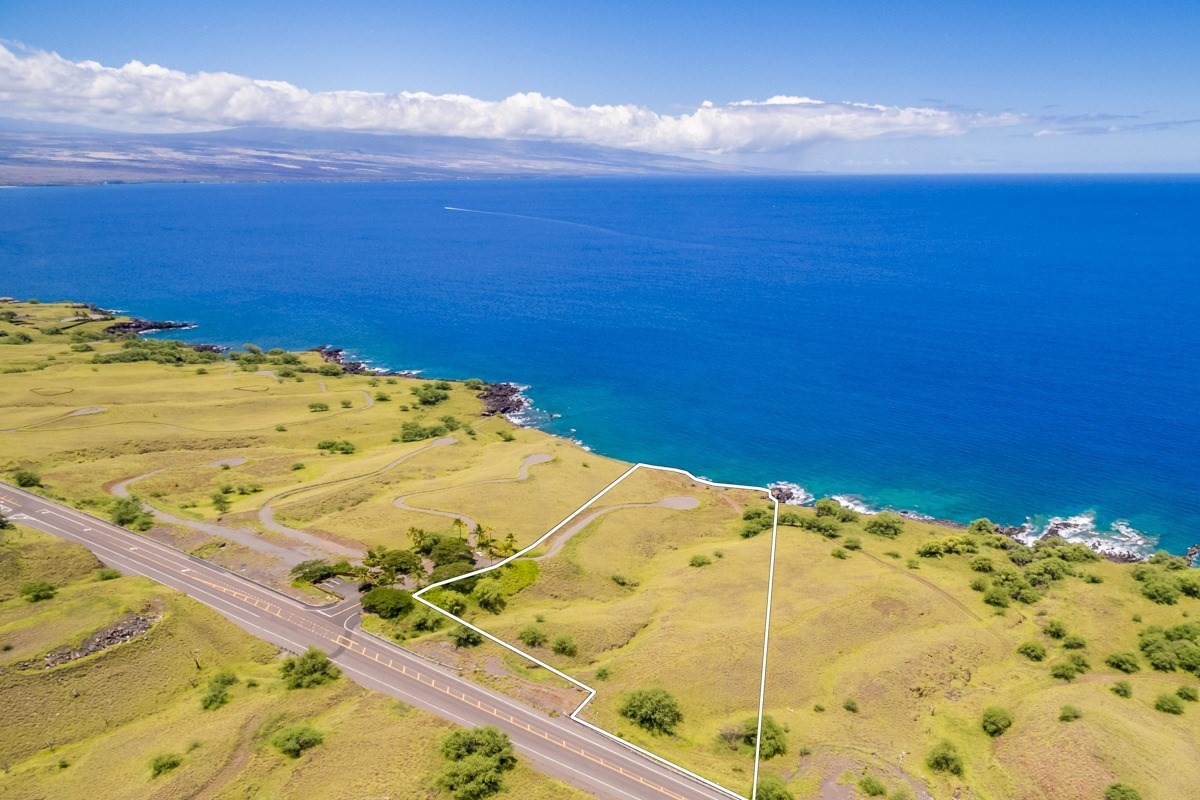
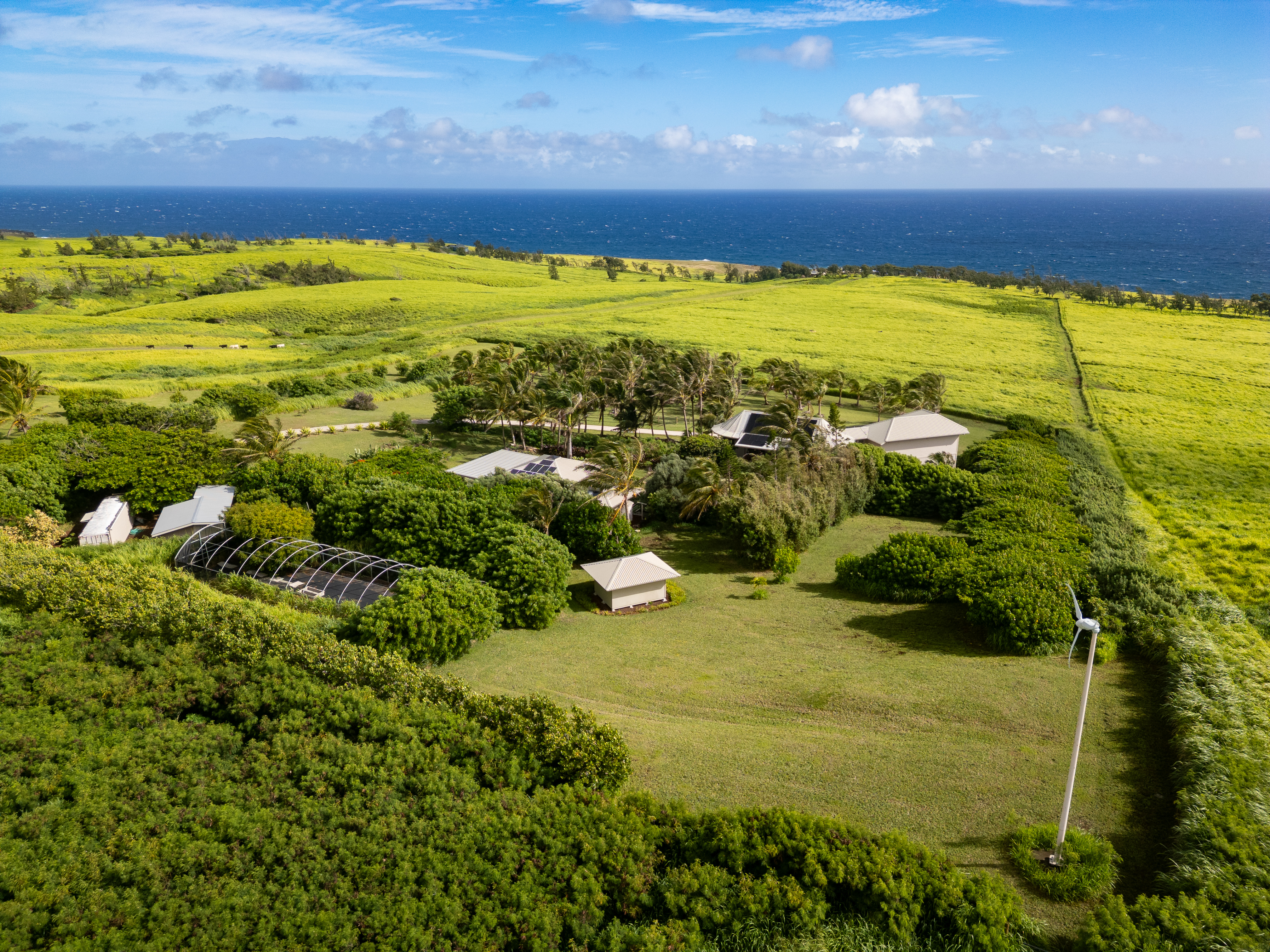
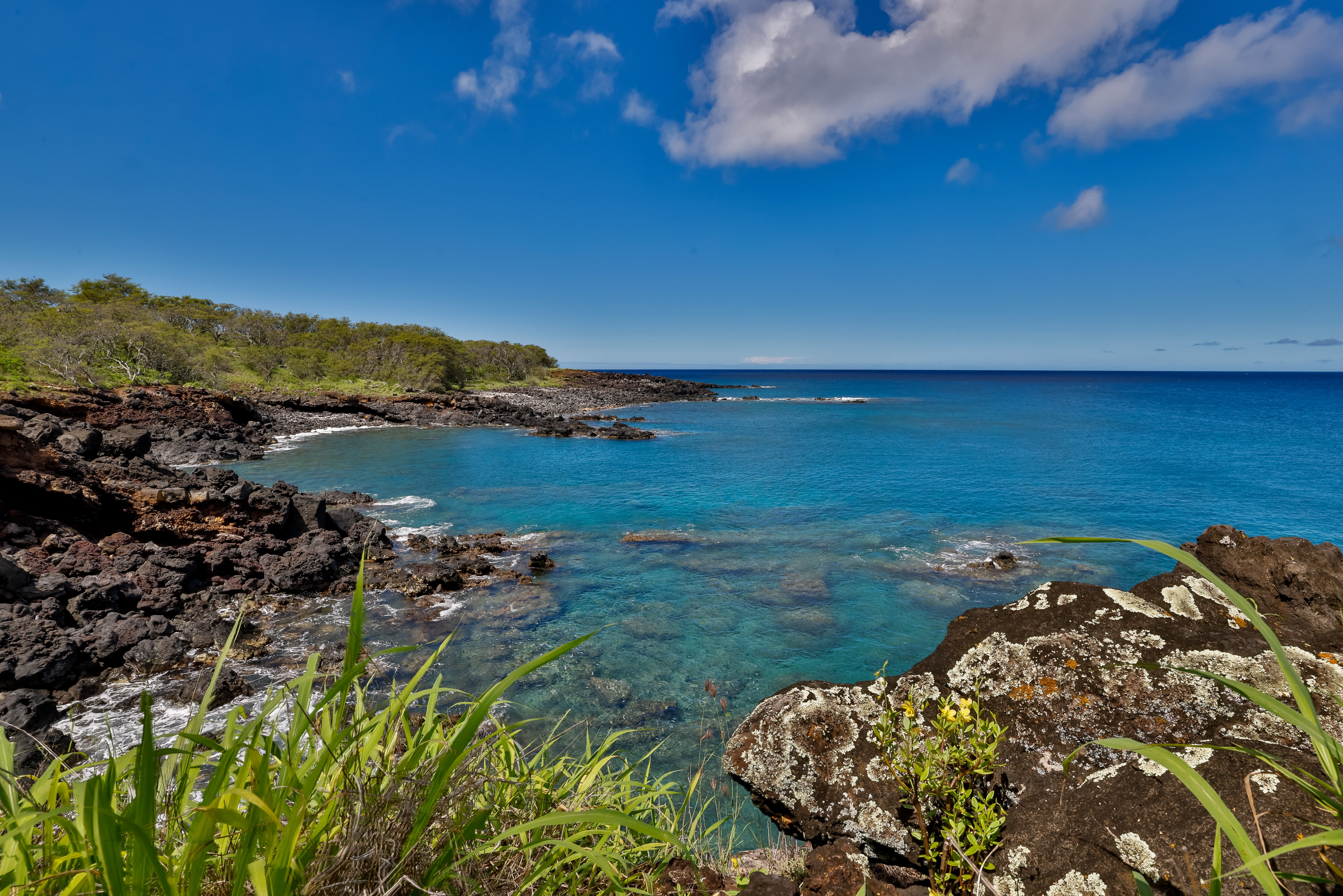
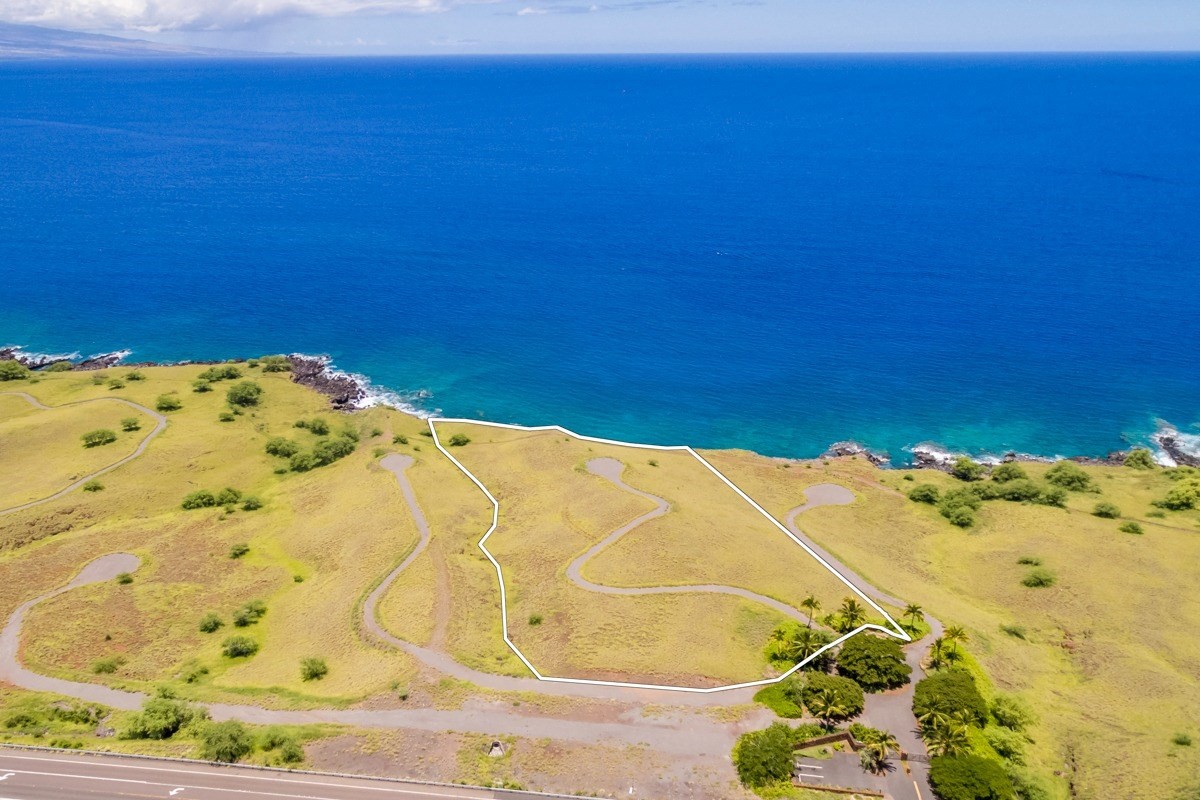
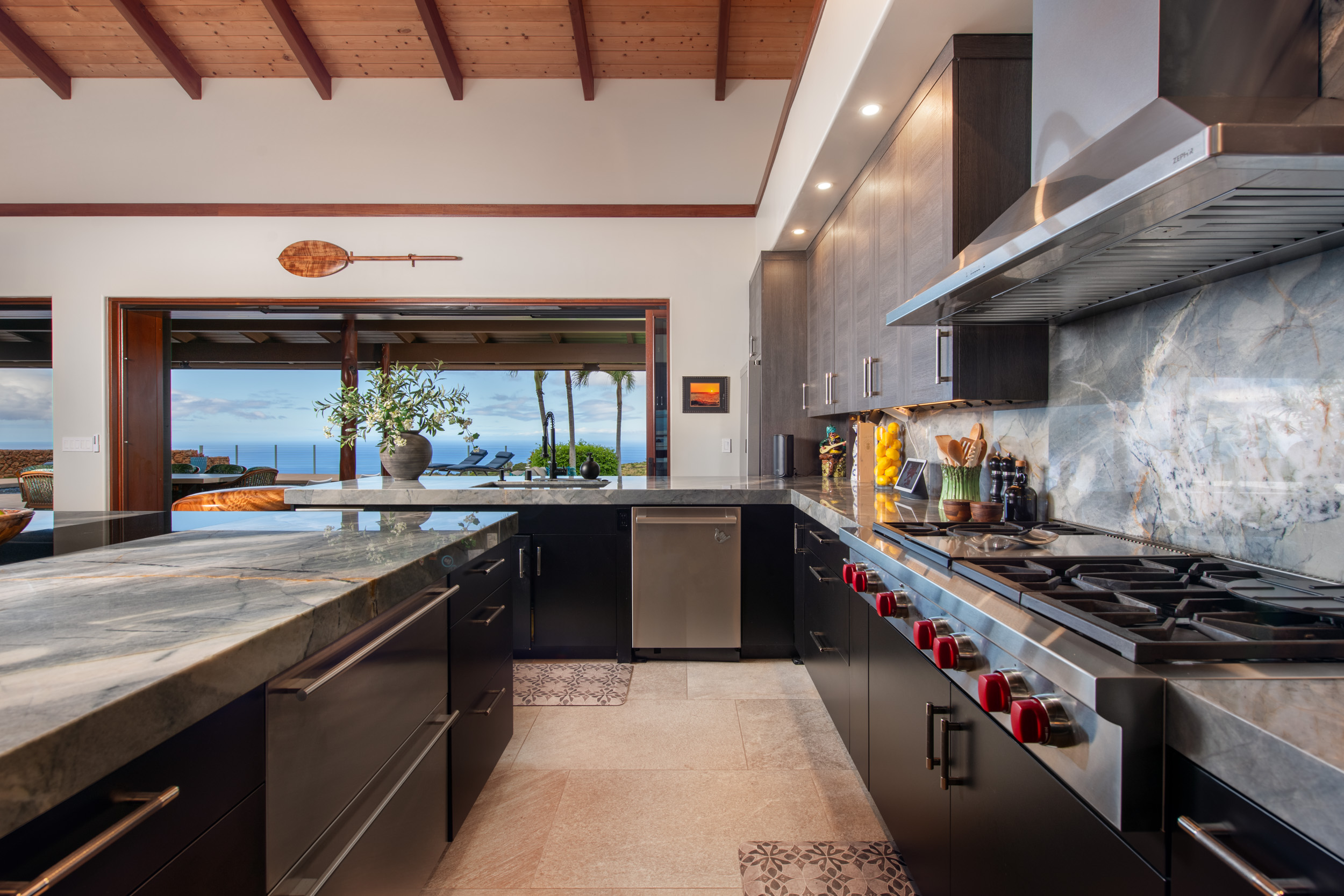
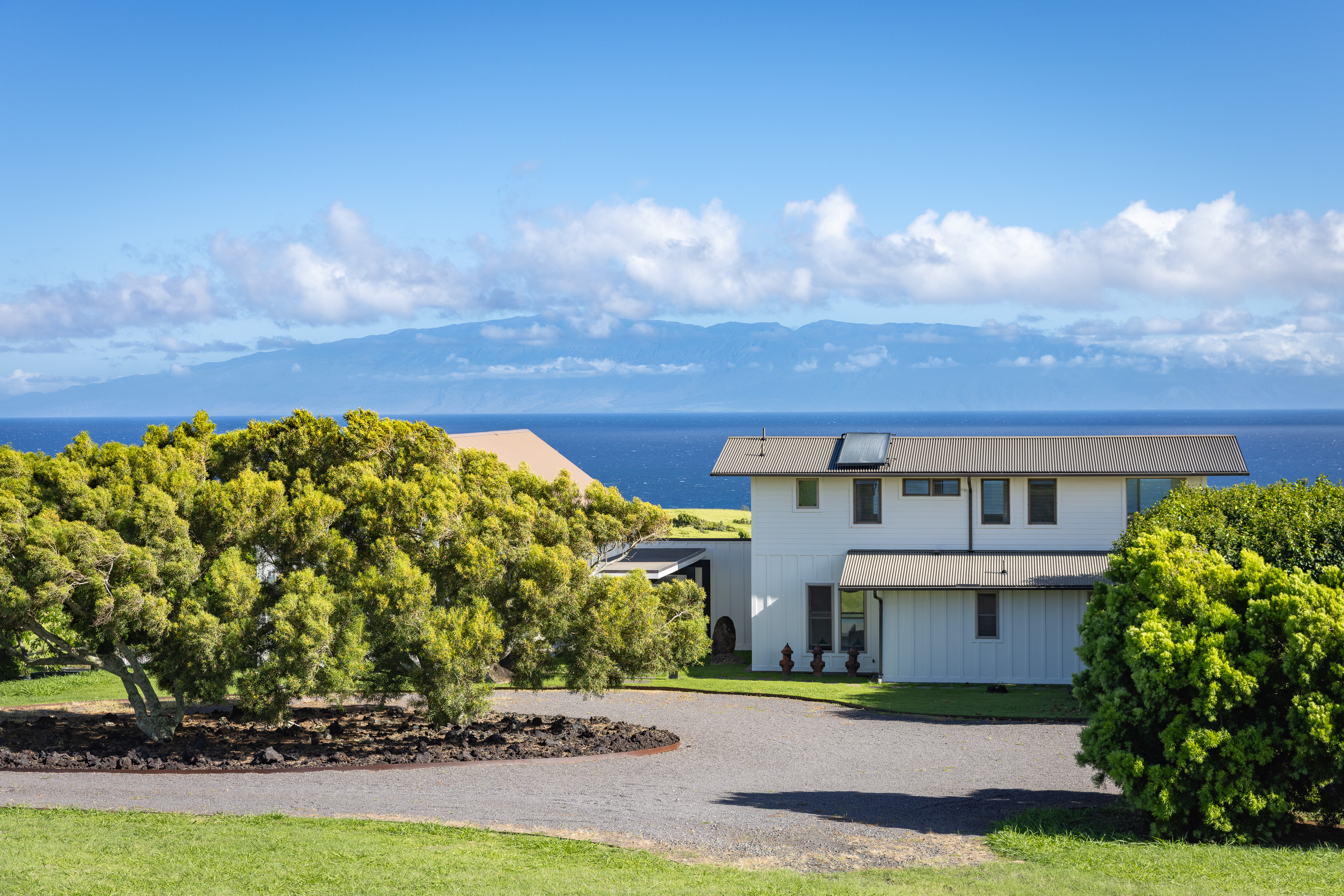
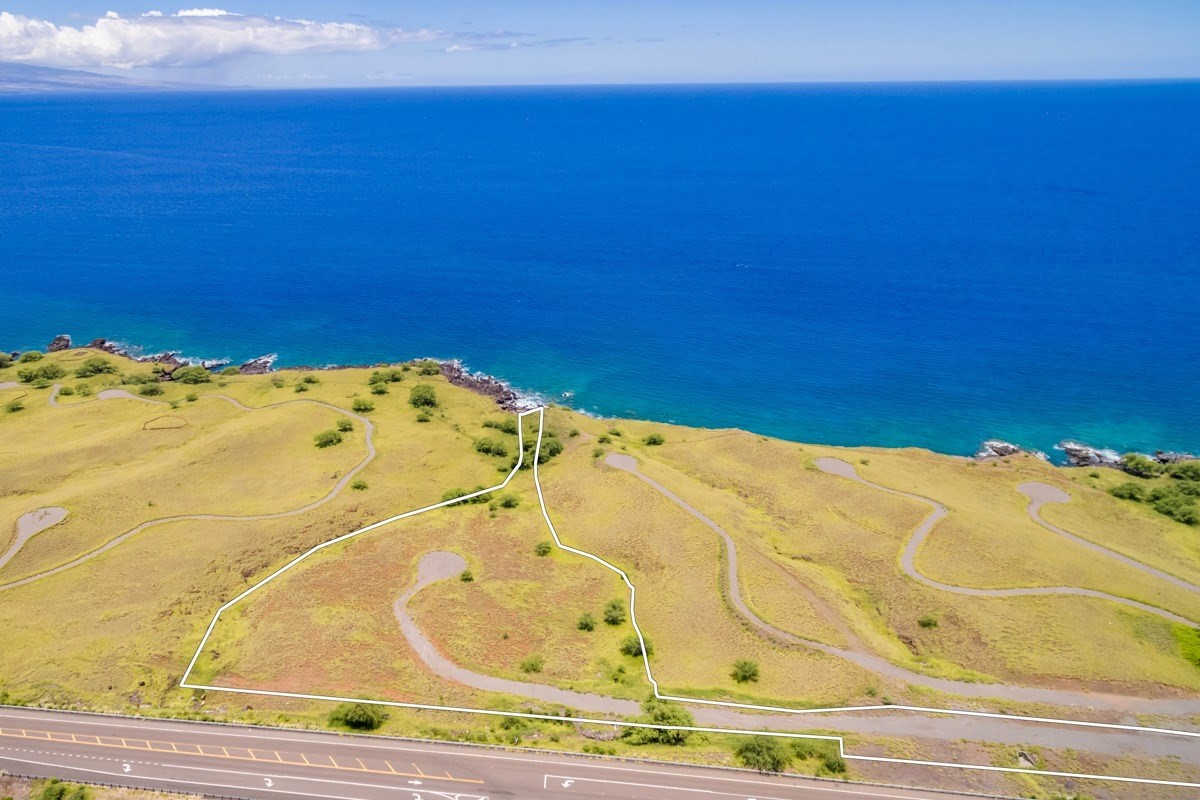
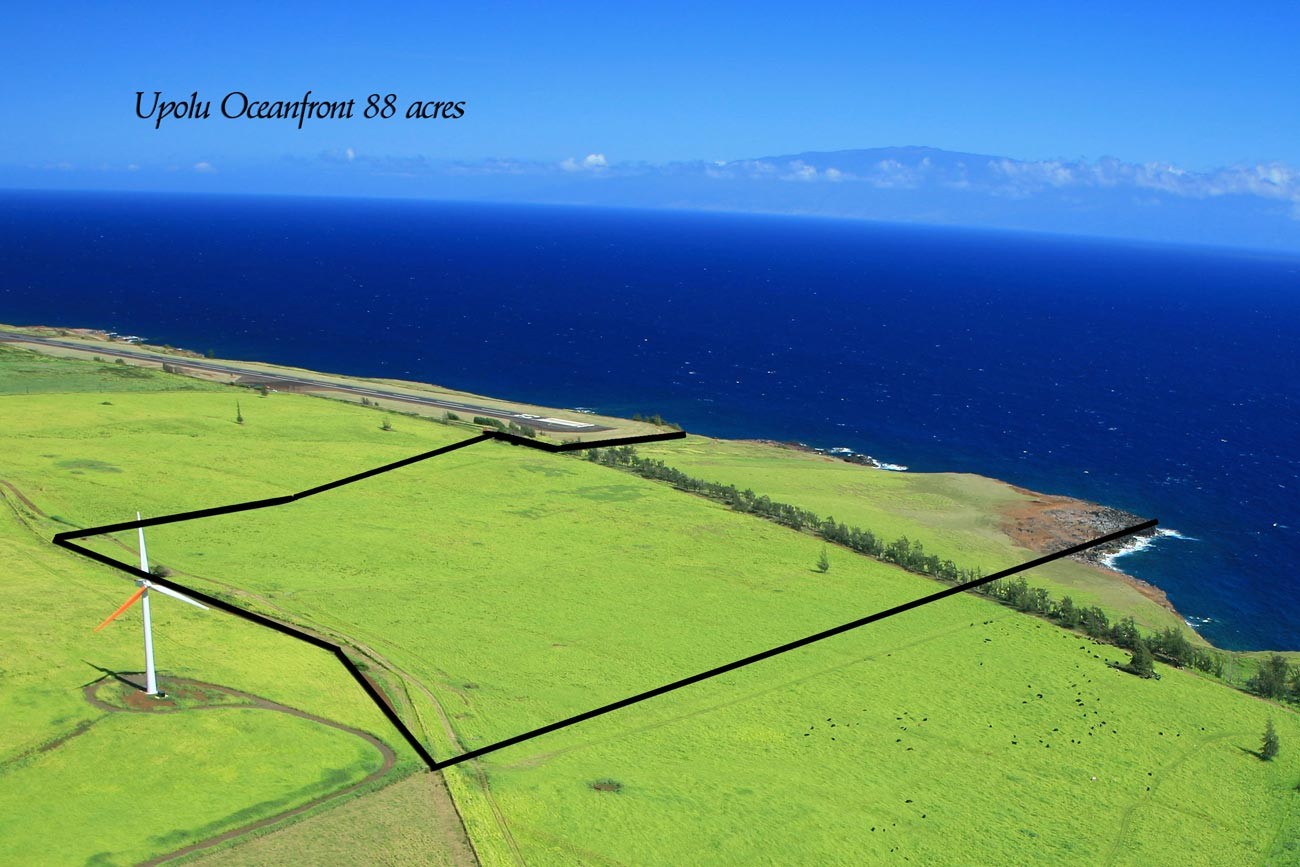
Kohala, located on the northwestern tip of Hawaii’s Big Island, offers a breathtaking blend of historic charm, natural beauty, and luxury living. Known for its sweeping ocean vistas, rolling pastures, and quiet coastal communities, Kohala is home to a diverse selection of real estate—from oceanfront estates and ranch-style homes to private retreats tucked into the hillsides. Whether you're drawn to the sun-drenched beaches of North Kohala or the tranquil ambiance of South Kohala, this region offers a variety of lifestyle-driven opportunities for both vacationers and full-time residents.
Purchasing property in Kohala requires an understanding of rural living and island-specific considerations.
Work with a local real estate professional familiar with Kohala’s land zones, water systems, and microclimates.
Explore different areas such as North Kohala and South Kohala, as home styles, rainfall, and accessibility vary significantly.
Understand infrastructure differences, including private water catchment systems, septic systems, and off-grid or solar-powered homes.
Inventory can be limited, so patience and flexibility are important when searching for the right property.
Begin your search early, as long-term rentals can be scarce.
Single-family homes and ohana (guest house) rentals are more common than large apartment complexes.
Review lease terms carefully, especially regarding utilities, yard maintenance, and water usage.
Consider proximity to essential services, as some areas are a longer drive from grocery stores, schools, and healthcare.
Many Kohala properties are in rural settings with limited municipal services. Buyers should be comfortable with gravel roads, longer drive times, and self-managed utilities.
Zoning varies widely and may include agricultural or conservation designations. Buyers should understand permitted uses, building restrictions, and any requirements tied to the land.
Kohala features diverse microclimates, from dry coastal areas to lush, greener uplands. Rainfall, wind patterns, and temperature can vary significantly within short distances.
Tropical conditions require regular upkeep. Salt air, humidity, and vegetation growth can increase maintenance needs for homes and landscaping.
Kohala’s real estate market is limited and unique, with fewer transactions than urban areas. Well-located properties with views or acreage tend to hold long-term value.
Most buyers are lifestyle-driven, looking for privacy, land, and authenticity rather than urban amenities. Marketing should emphasize views, land use, and connection to nature.
Clear access, maintained landscaping, and transparency about utilities and systems help build buyer confidence, especially for mainland purchasers.
Comparable sales may be limited, so pricing should reflect location, land value, and condition rather than relying solely on broader island averages.
Owning property in Kohala means immersing yourself in a peaceful and authentic Hawaiian lifestyle. The region is prized for its mild climate, low population density, and sense of seclusion without sacrificing access to amenities. Residents enjoy proximity to top-rated resorts, golf courses, hiking trails, and some of the island’s most iconic beaches—including Hapuna Beach and Pololu Valley. From sunset horseback rides to organic farmers markets and historical landmarks, Kohala offers a daily rhythm rooted in natural beauty and cultural richness.
With deep roots in the Big Island luxury market, Frank & Nicolaas Shenk bring unmatched local insight and professionalism to the Kohala real estate experience. Their client-first approach and knowledge of the area’s unique properties—from off-grid estates to beachfront sanctuaries—ensure a smooth and informed buying process. Whether you’re envisioning a custom home with panoramic views or a quiet retreat surrounded by lush acreage, Frank & Nicolaas are your trusted guides to the exceptional opportunities Kohala has to offer.
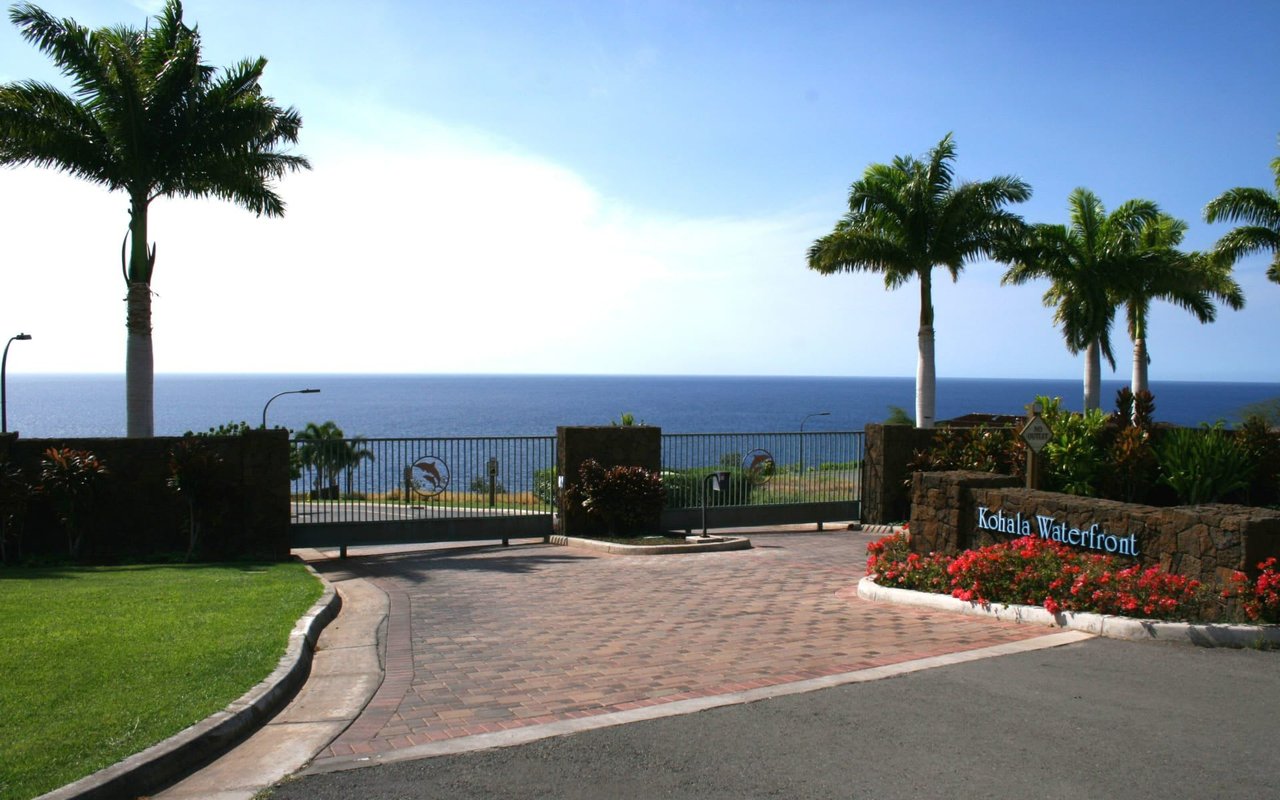
6,532 people live in KOHALA, where the median age is 48.3 and the average individual income is $45,917. Data provided by the U.S. Census Bureau.
Total Population
Median Age
Population Density Population Density This is the number of people per square mile in a neighborhood.
Average individual Income
KOHALA has 2,337 households, with an average household size of 2.79. Data provided by the U.S. Census Bureau. Here’s what the people living in KOHALA do for work — and how long it takes them to get there. Data provided by the U.S. Census Bureau. 6,532 people call KOHALA home. The population density is 46 and the largest age group is Data provided by the U.S. Census Bureau.
Total Population
Population Density Population Density This is the number of people per square mile in a neighborhood.
Median Age
Men vs Women
Population by Age Group
0-9 Years
10-17 Years
18-24 Years
25-64 Years
65-74 Years
75+ Years
Education Level
Total Households
Average Household Size
Average individual Income
Households with Children
With Children:
Without Children:
Marital Status
Blue vs White Collar Workers
Blue Collar:
White Collar: