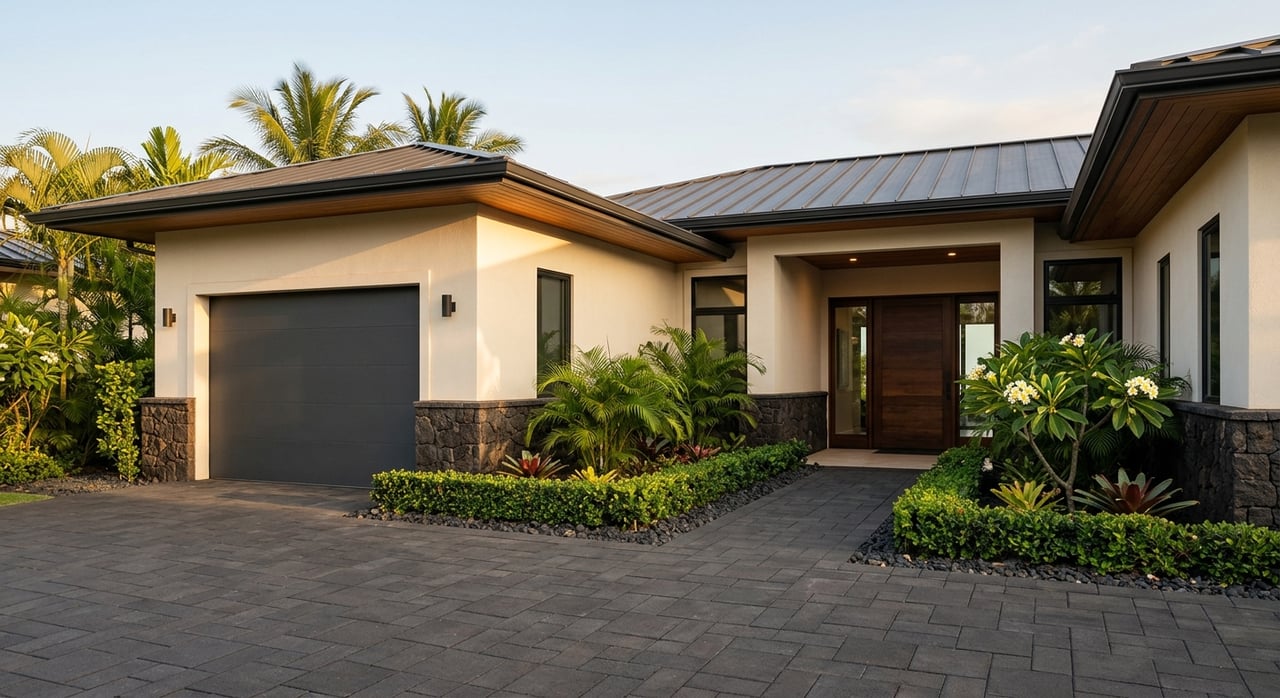
Buying in Kohanaiki can look simple from the outside: beautiful homes, ocean views, a private club setting, and one of the most amenity-rich resort communities on the Kona coast. But once you look closer, you realize this is not just a home purchase. It is also a membership decision, a lifestyle decision, and a carrying-cost decision. If you are considering Kohanaiki in Kailua-Kona, this guide will help you understand what to confirm before you write an offer. Let’s dive in.
Kohanaiki Is More Than a Neighborhood
Kohanaiki is a 450-acre private club and residential community along about 1.5 miles of shoreline on the Kona coast. Its public identity is centered on a member-driven, social club lifestyle with roots in Hawaiian history.
That distinction matters because Kohanaiki does not read like a typical subdivision or even a standard resort neighborhood. The community is built around a broad private club experience, with a 67,000-square-foot clubhouse and amenities that shape daily life as much as the homes themselves.
The Lifestyle Is a Major Part of Value
If you are buying here, you are buying into a full ecosystem. Kohanaiki’s core amenities include clubhouse dining, golf, beach club access, spa and wellness offerings, an adventure team, an organic farm, and culinary programming.
For many buyers, that creates a different value equation than a property where the home is the main event. At Kohanaiki, your use of the club, your guest access, and your day-to-day routine can be just as important as square footage, bedroom count, or lot size.
Understand the Membership Structure First
One of the most important things to know before buying in Kohanaiki is that ownership and club access are not always as straightforward as buyers expect. The community is private and gated, and several amenities are described as available to members and guests only.
That means you should confirm exactly what kind of ownership and access you are purchasing. In Kohanaiki, the membership structure can be just as important as the real estate itself.
Equity Membership and Hale Club Are Different
Kohanaiki’s public materials describe the Hale Club as a separate offering from standard equity residential membership. The Hale Club includes 17 residences near the clubhouse and allows access for up to 45 nights or 120 bedroom nights per membership year.
During those stays, members have access to Kohanaiki’s resort-style amenities. Each hale ranges from one to four bedrooms, which makes this product very different from buying a homesite, a completed residence, or another residential property type in the community.
Ask What Transfers With the Property
Before you make an offer, confirm whether the purchase includes standard equity residential membership, a Hale Club product, or another club arrangement. Do not assume the membership structure is the same from one property to the next.
This is one of the most important due diligence steps in Kohanaiki. A home can be appealing on paper, but the right fit depends on whether the ownership structure matches how you plan to use the property.
Know the Property Types Available
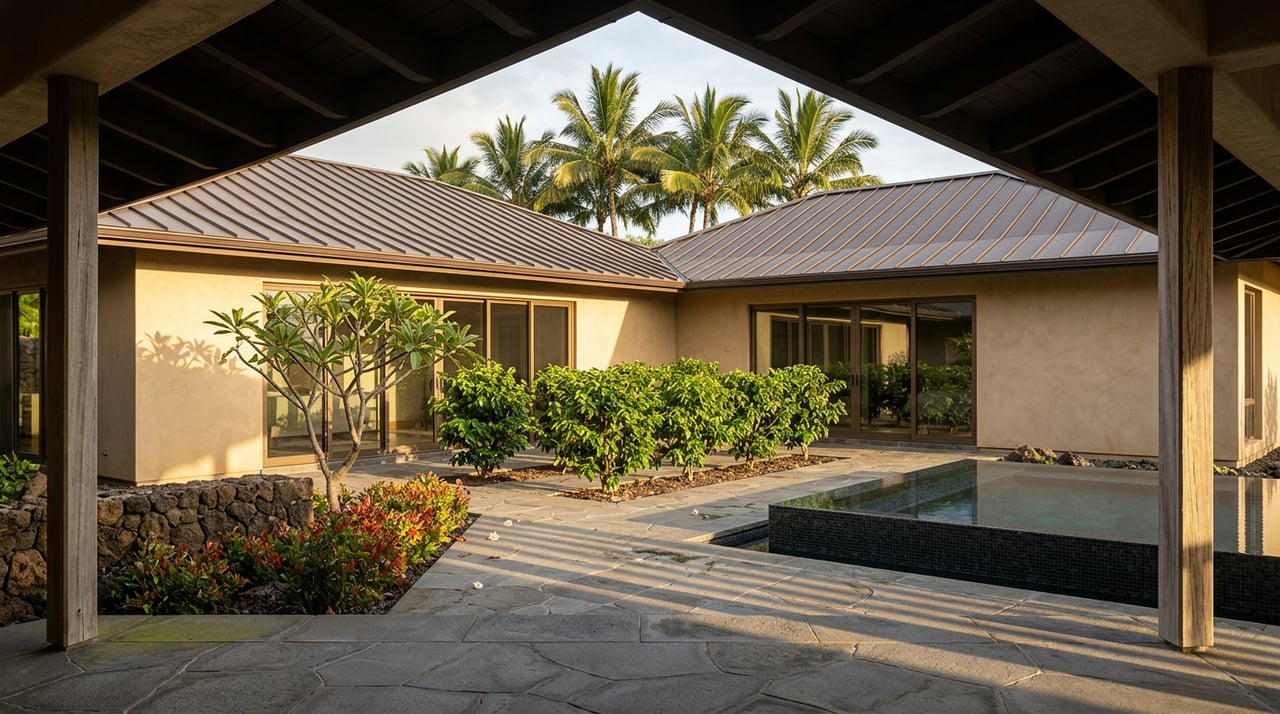
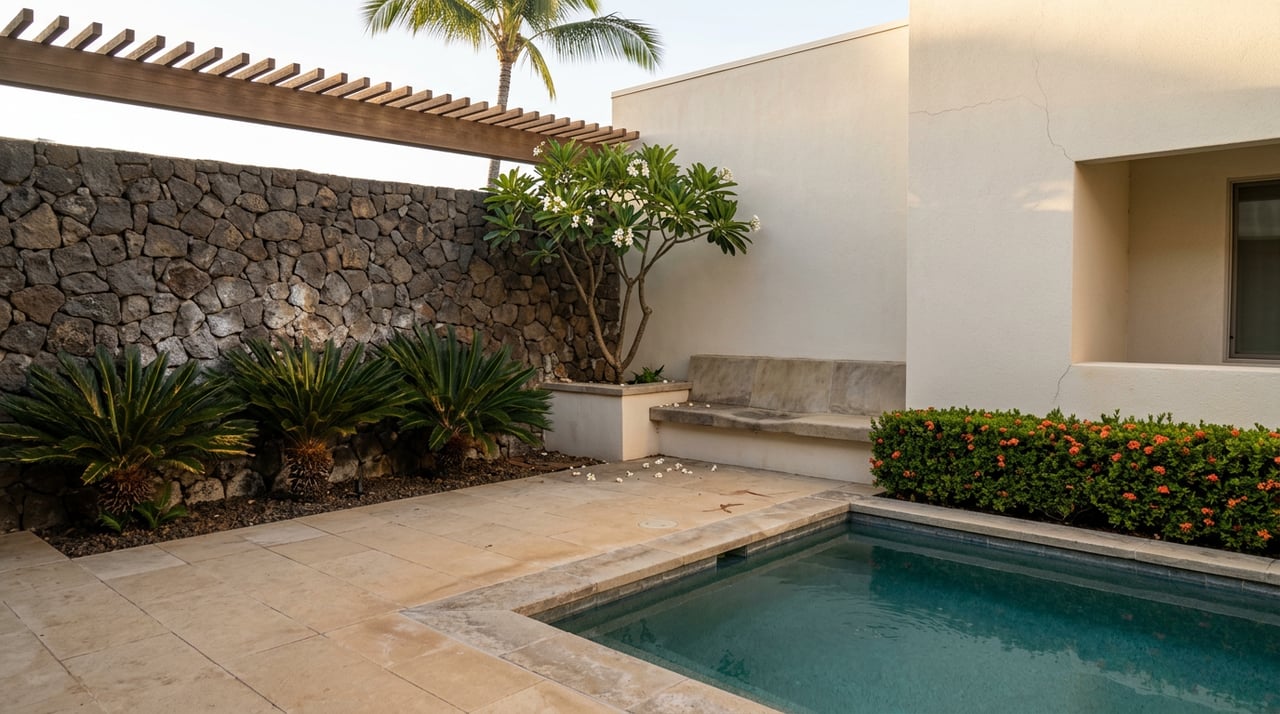
Kohanaiki offers more than one style of ownership. Official real estate pages show a mix of expansive homesites, move-in-ready homes, paired-home style properties, and townhomes.
That variety can be helpful if you want options, but it also means buyers need to be specific. A homesite has very different considerations than a completed residence, and a townhome or paired-home style property may offer a different maintenance profile and living experience than a single-family home.
Current Examples Show the Range
Recent official listings illustrate the spread of product types and asking prices in Kohanaiki. A 0.37-acre homesite has been listed at $1.295 million, while a 0.51-acre homesite has been listed at $2.2 million.
Completed options shown publicly include a five-bedroom Hale Ka Hala townhome at $4.9 million and four-bedroom Hale ʻAlani residences around $5.65 million to $5.8 million. These are asking prices, not market averages, but they help frame what buyers may encounter.
Layout and Scale Can Vary
Hale ʻAlani Phase II is described as a four-bedroom, 4.5-bath residence with about 3,812 total square feet. Hale Ka Hala Phase 1 is described as a five-bedroom townhome with a detached ʻohana and about 4,473 total square feet.
Those examples show why it helps to compare not just price, but also form, layout, and intended use. If you are deciding between a homesite and a completed home, you should also ask what approvals, design work, or build timelines remain.
Carrying Costs Deserve Close Attention
At Kohanaiki, the purchase price is only part of the financial picture. Carrying costs such as HOA dues, club dues, transfer fees, assessments, and property taxes can materially affect your ownership experience.
One current homesite listing shows HOA dues of $1,583 per month and real estate tax of $17,156 per year. That example is useful because it shows why you should verify the exact costs tied to the parcel you are considering rather than relying on a broad estimate.
Hawaii County Tax Class Matters
Hawaii County tax treatment is another major point to review before buying. For fiscal year 2026-27, the county lists a homeowner class rate of $5.75 per $1,000 of net taxable value, a residential class rate of $11.10 per $1,000 up to the $2 million threshold, and a hotel/resort class rate of $11.55 per $1,000.
The county also states that property rented short-term for less than 180 days is not eligible for the homeowner tax class. If your intended use includes part-time occupancy or short-term rental activity, you should confirm how that may affect the likely tax classification.
Think About How You Will Actually Live There
Kohanaiki is designed for ease and convenience, and that is part of its appeal. Homes are often marketed as being a short golf-cart ride from the clubhouse, Beach Club, practice facility, and sports complex.
The clubhouse offers daily breakfast, lunch, and dinner, along with a brewery, bowling alley, theater, and spa. The Beach Club adds plunge pools, cabanas, a waterslide, and an oceanfront event lawn, while the Adventure Team and organic farm broaden the lifestyle beyond traditional golf-centered resort living.
Proximity Can Shape Daily Use
When touring or reviewing options, ask how close the property is to the clubhouse, Beach Club, golf practice areas, and sports complex. In a community like Kohanaiki, proximity is not just a convenience detail. It can shape how often you use the amenities and how the property feels in day-to-day life.
If golf-cart access is part of the lifestyle you want, that should be part of your decision process. Two homes with similar pricing can offer very different living experiences depending on location within the community.
Compare Kohanaiki With Other Kona Coast Resorts
If you are choosing among luxury resort communities on the Big Island, it helps to understand where Kohanaiki fits. It occupies a distinct lane within the Kona-Kohala resort market.
Compared with Hualālai, Kohanaiki is smaller and more clearly club-first in its identity. Hualālai spans 865 acres and is more integrated with a hotel-resort environment through the Four Seasons Hualālai, while Kohanaiki presents more as a private club community.
Compared with Kūkiʻo, Kohanaiki appears less tightly tied to a residency-exclusive equity-club structure. Kūkiʻo describes itself as a private residential equity club with membership exclusive to residents of specific communities, while Kohanaiki’s public real estate materials emphasize a broader mix of homesites, completed homes, and paired or townhome-style residences.
Mauna Kea offers a different model again, with yearly membership available to homeowners and kamaʻāina and access to resort amenities across two properties. For buyers deciding between communities, the real question is which ownership and club model best aligns with how you want to spend time on the Big Island.
Questions To Ask Before You Write an Offer
Kohanaiki rewards buyers who get specific early. Before you move forward, make sure you have clear answers to the details that affect both value and lifestyle fit.
- Does the purchase include standard equity residential membership, a Hale Club product, or another arrangement?
- What are the current HOA dues, club dues, transfer fees, and any capital assessments?
- Which amenities are available to owners, guests, and any permitted rental use?
- What tax class is likely to apply based on your intended use?
- Is the property a homesite, paired home, townhome, or completed single-family residence?
- If it is a homesite, what approvals or build timelines remain?
- How close is the property to the clubhouse, Beach Club, practice areas, and sports complex?
- Is golf-cart access central to how you plan to use the community?
Why Due Diligence Matters More Here
In many neighborhoods, buyers focus mainly on price, condition, and location. In Kohanaiki, those factors still matter, but they are only part of the picture.
The stronger buying decisions usually come from understanding exactly what transfers with the property, what your recurring costs will be, and whether the membership and amenity structure support your goals. That is especially true if you are buying from the mainland or abroad and want clarity before making a major commitment.
If you are considering Kohanaiki, a careful, local review can help you compare options clearly and avoid surprises. For thoughtful guidance on Kohanaiki and the broader Kona resort market, connect with Frank Schenk & Nicolaas Schenk.
FAQs
What should you know about membership before buying in Kohanaiki?
- You should confirm whether the property includes standard equity residential membership, a Hale Club product, or another club arrangement, because access and use can differ.
What property types are available in Kohanaiki?
- Public listings show homesites, completed residences, paired-home style properties, and townhomes, so buyers should confirm the exact product type before offering.
What are example asking prices in Kohanaiki?
- Current public examples include homesites from $1.295 million to $2.2 million, a Hale Ka Hala townhome at $4.9 million, and Hale ʻAlani residences around $5.65 million to $5.8 million.
Why do carrying costs matter when buying in Kohanaiki?
- In addition to the purchase price, buyers should review HOA dues, club dues, transfer fees, assessments, and property taxes because they can significantly affect total ownership cost.
How can Hawaii County property tax class affect a Kohanaiki purchase?
- Hawaii County applies different tax rates by class, and short-term rental use under 180 days is not eligible for the homeowner tax class, so intended use should be reviewed carefully.
How is Kohanaiki different from other Big Island resort communities?
- Kohanaiki stands out for its private, club-first identity and broad amenity ecosystem, while nearby communities such as Hualālai, Kūkiʻo, and Mauna Kea follow different resort and membership models.