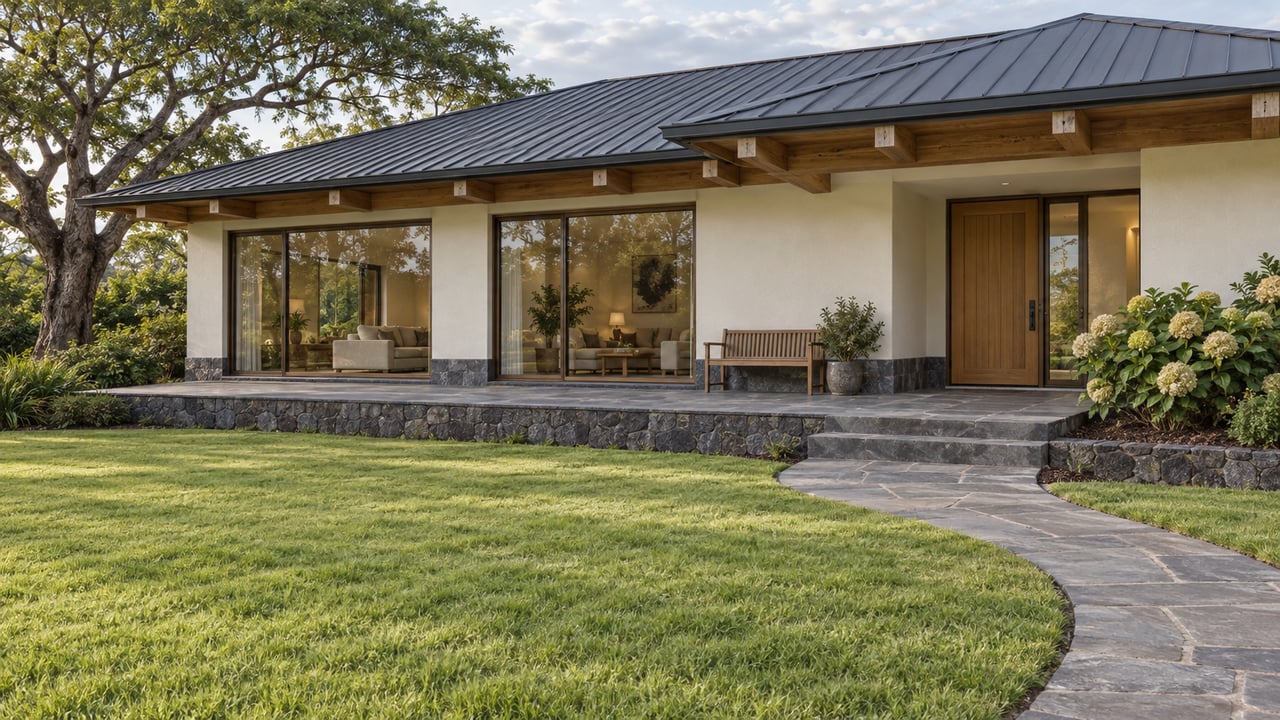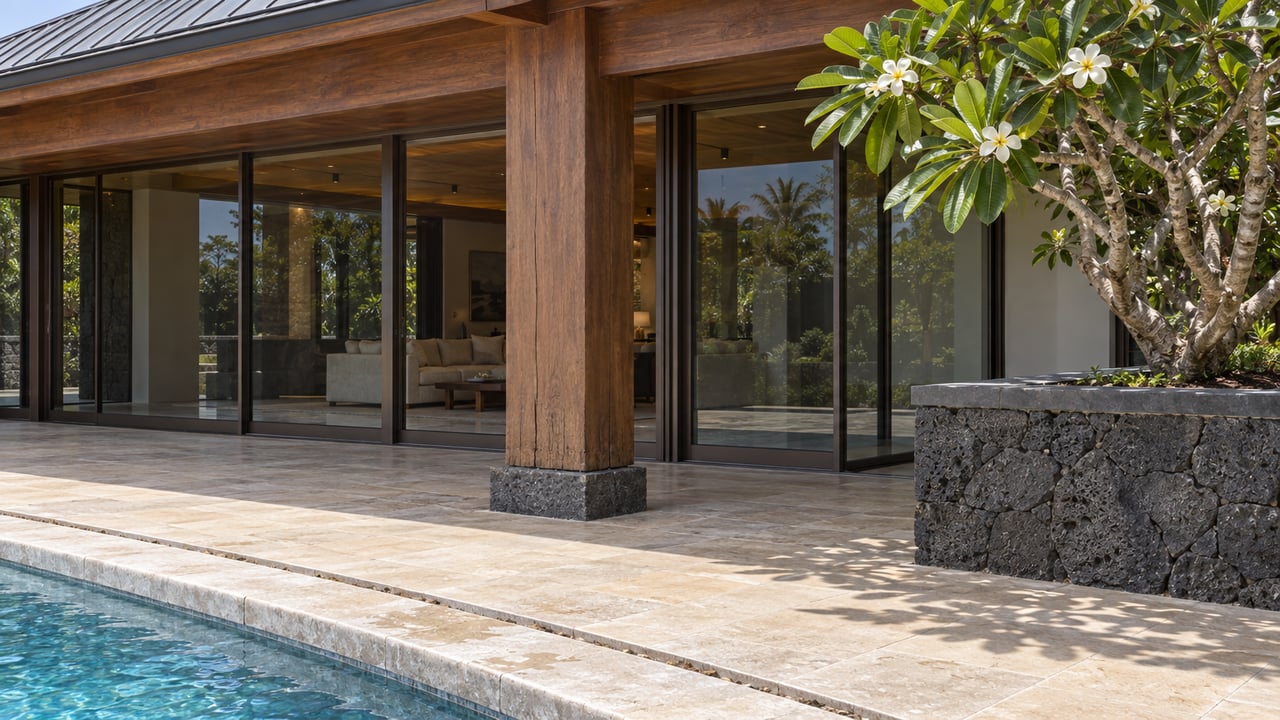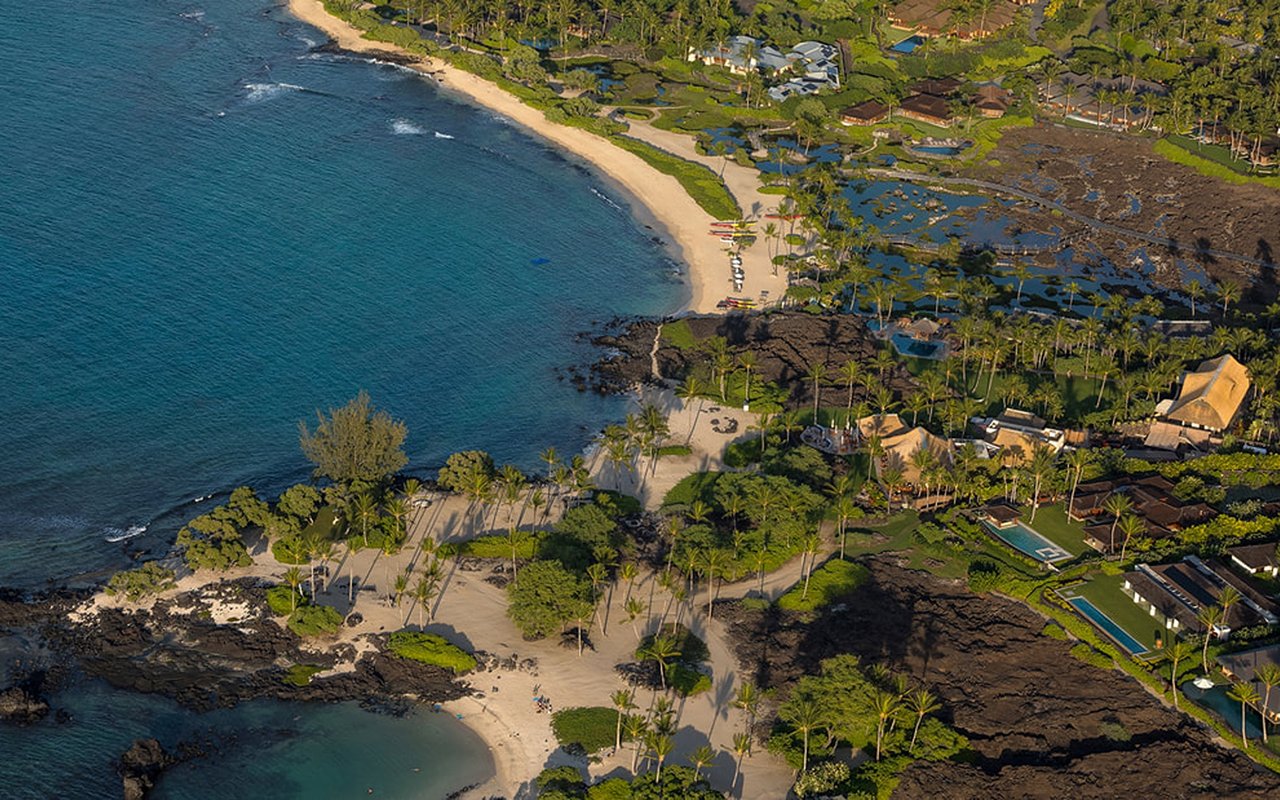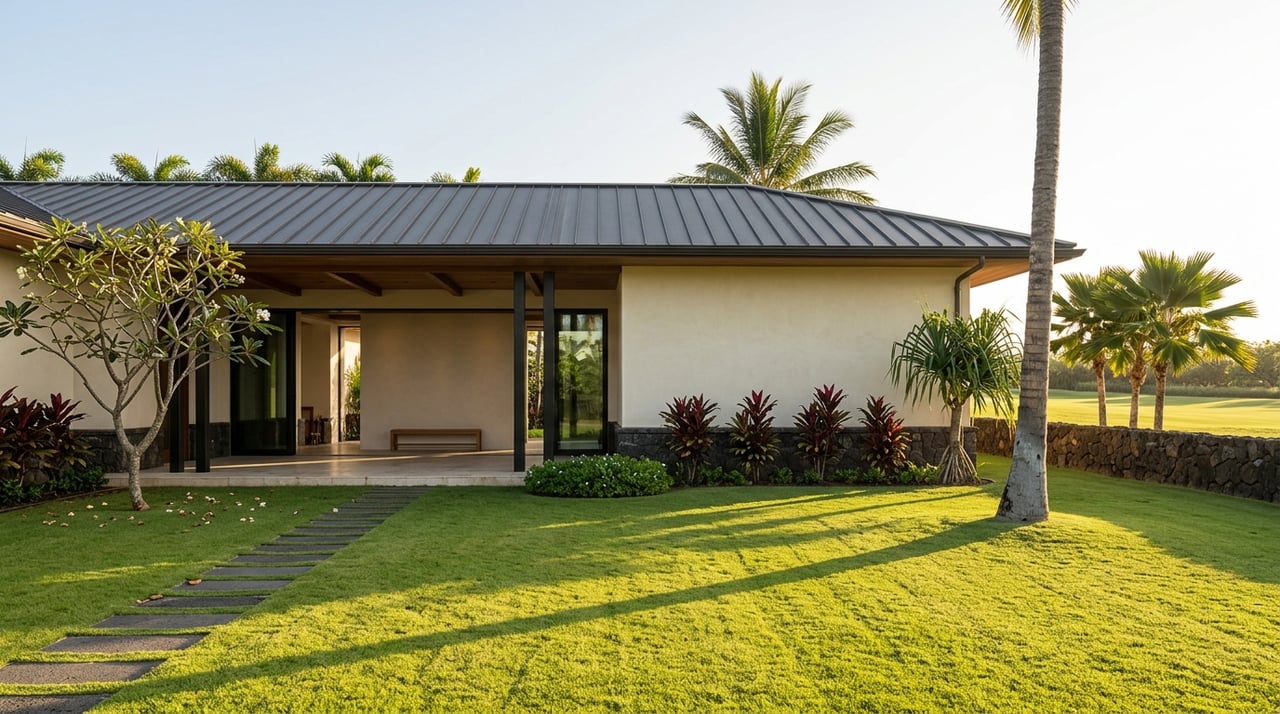
Choosing between Mauna Lani Resort, Mauna Kea Resort, Waikoloa Beach Resort, and Puako can feel harder than it should. They all sit along the same Kohala Coast corridor, but they offer very different ownership experiences, daily rhythms, and levels of resort infrastructure. If you are trying to decide where you fit best, this guide will help you compare the big differences clearly and confidently. Let’s dive in.
Why these communities feel so different
At a glance, these Kohala communities can seem similar because they share ocean access, resort branding, and strong lifestyle appeal. In practice, each one is structured in its own way, and that structure shapes how it feels to live or own there.
Mauna Lani Resort is a 3,200-acre mixed-use resort with 17 completed residential developments, two hotels, two championship golf courses, a shopping center, and shared common-area management through the Mauna Lani Resort Association. That makes it the most clearly mixed-use environment in this group.
Mauna Kea Resort is more secluded and club-oriented. Its residential options range from oceanfront studios to condominiums and private estates, with access tied closely to hotel, club, beach, golf, tennis, dining, and spa amenities.
Waikoloa Beach Resort leans the furthest toward an amenity-dense, visitor-facing setting. It is defined by hotels, vacation rentals, shopping, dining, events, and a 27-hole golf experience.
Puako is the least resort-built of the four. Hawaiʻi County describes it mainly as a single-family shoreline community along Puako Beach Drive, with limited room for major development.
Mauna Lani's middle-ground appeal
If you are looking for the easiest way to understand Mauna Lani, think of it as the middle ground on the Kohala Coast. It offers more resort programming and shared amenities than Puako, but it does not feel as club-exclusive and secluded as Mauna Kea. It is also generally less commercially busy than Waikoloa Beach Resort.
That balance is a big reason Mauna Lani appeals to a wide range of buyers. You can find multiple housing types within one master-planned setting, along with golf, shoreline trails, historic areas, and beach-oriented amenities.
The result is a resort-residential hybrid. You are not choosing between pure residential quiet and full visitor energy. Instead, you get a setting that blends both in a more measured way.
Comparing the atmosphere
Mauna Lani Resort atmosphere
Mauna Lani has an open resort model with gated neighborhoods, member amenities, public parks, shoreline trails, fishponds, and historic preserves. Because it includes condo and multi-family product as well as single-family neighborhoods, it feels varied rather than singular.
For many buyers, that variety is the point. You can enjoy a true resort environment while still being part of a larger residential community.
Mauna Kea Resort atmosphere
Mauna Kea is the most polished and secluded option in this group. The resort describes its private residences as a luxurious and secluded experience, and the current residence mix includes cottages, villas, and private estates in smaller enclaves.
If privacy and a more tightly curated luxury setting are at the top of your list, Mauna Kea often stands out. Its appeal is less about variety and more about exclusivity and legacy resort identity.
Waikoloa Beach Resort atmosphere
Waikoloa Beach Resort has the strongest contemporary vacation-resort energy. The environment is shaped by walkable commercial areas, hotels, condo communities, shopping, dining, and events.
That can be a major advantage if you want activity close at hand. If you prefer a quieter and more residential tone, though, it may feel busier than Mauna Lani or Puako.
Puako atmosphere
Puako feels the least master-planned and the least formal. Its low-density, single-family pattern gives it a shoreline neighborhood character that feels more village-like than resort-like.
For some buyers, that simpler setting is exactly the attraction. You are trading broad resort infrastructure for a more residential coastal experience.
Ownership and community structure
Mauna Lani's association model
Mauna Lani has the clearest homeowner association framework among these four communities. All owners in the master plan area are association members and contribute monthly assessments.
The association manages common areas that include roadways, the beach club, historic parks, shoreline areas, trails, and the fishpond complex. If you value a structured, maintained resort environment, this is an important part of Mauna Lani’s identity.
Mauna Kea's private club feel
Mauna Kea ownership feels more selective. The Club offers yearly membership to homeowners and kamaʻāina, while resort beach and pool experiences are reserved for registered hotel guests or club members.
That creates a more private club dynamic. For some owners, that exclusivity is a key benefit. For others, it may feel more limited than the open resort model at Mauna Lani.
Waikoloa's rental-oriented condo mix
Waikoloa Beach Resort has the strongest vacation-rental orientation among its condo communities. Many units are privately owned and rented by owners or management companies, and the resort includes a broad condo inventory.
That ownership pattern influences the feel of the area. You may see a stronger visitor-services ecosystem and a more transient rhythm than in communities with a heavier owner-occupant presence.
Puako's single-family pattern
Puako is primarily an owner-occupied or second-home single-family market rather than a resort-condo market. The county community plan describes the area as being populated largely by retirees and second-home owners.
That helps explain why Puako feels different from the resort communities nearby. The ownership pattern supports a more residential, less programmed environment.
Beach access and amenities
What Mauna Lani offers
Mauna Lani combines private-style resort amenities with meaningful public shoreline access. The resort includes a private beach club setting, a swimmable cove, and beach-focused amenities, while official sources also identify three designated public access locations: Holoholokai Beach Park, Historic Preserve Public Park, and 49 Black Sand Beach.
This mix is one of Mauna Lani’s strongest advantages. You get resort benefits, but the shoreline experience is not limited to a single private-access model.
How Mauna Kea compares
Mauna Kea is the most iconic beach-centered luxury environment of the group. It is closely tied to Kaunaʻoa Bay and Hāpuna Beach, along with hotel-centered amenities that now include a reopened family pool, a new adults-only infinity pool, and a destination spa.
If your focus is a high-end beach and hotel experience in a more secluded setting, Mauna Kea is hard to ignore. The tradeoff is that the overall experience is more club and hotel centered than Mauna Lani’s broader open-resort structure.
How Waikoloa compares
Waikoloa Beach Resort is the most activity-rich shoreline setting. Hawaiʻi County identifies ʻAnaehoʻomalu Beach, shoreline trails, fishponds, and multiple access points, while the resort emphasizes shopping, dining, cultural events, and golf as part of daily life.
This is a strong fit if you want your beach environment to come with walkability and a full menu of things to do. If your goal is a more residential pace, it may feel more active than you want.
How Puako compares
Puako stands out for shoreline access in a residential setting. Hawaiʻi County lists 12 separate access points along Puako Beach Drive, including small white-sand beaches, tidal pools, and rocky shoreline access, often with limited facilities.
That matters if your priority is frequent, direct access to the coast in a less resort-driven environment. Puako offers a different kind of value than a master-planned resort community.
Which buyers often prefer Mauna Lani
Mauna Lani tends to appeal to buyers who want a true resort setting and a real residential community in one place. It offers beach club access, golf, public shoreline trails, and multiple housing types inside a single master plan.
That can be especially attractive if you are weighing tradeoffs carefully. You may want amenities and structure, but not the strongest club exclusivity of Mauna Kea. Or you may want a resort environment without the busiest commercial energy of Waikoloa Beach Resort.
For some buyers, Puako may still be the better fit because they want a quieter shoreline neighborhood with less resort framework. For others, Mauna Lani feels like the most balanced option because it sits between those extremes.
A simple way to compare fit
Here is a practical way to think about the four communities:
- Choose Mauna Lani if you want a balanced resort-residential experience with broad amenities, varied housing options, and an open-resort feel.
- Choose Mauna Kea if you prioritize seclusion, club-oriented luxury, and a more tightly curated beach-and-hotel environment.
- Choose Waikoloa Beach Resort if you want walkability, shopping, dining, events, and a stronger visitor-services ecosystem.
- Choose Puako if you value shoreline living and a quieter residential character over resort infrastructure.
The right answer usually comes down to how you want to spend your time when you are there. Daily rhythm matters just as much as floor plan, view, or amenity list.
If you are comparing Mauna Lani with other Kohala communities, local context makes all the difference. Frank Schenk & Nicolaas Schenk can help you evaluate the ownership structure, lifestyle tradeoffs, and community feel so you can choose the Big Island property that truly fits your goals.
FAQs
How does Mauna Lani Resort differ from Mauna Kea Resort?
- Mauna Lani is a larger mixed-use open resort with multiple residential developments, public shoreline access points, golf, hotels, and shared common areas, while Mauna Kea is more secluded and club-oriented with a more private luxury feel.
Is Waikoloa Beach Resort busier than Mauna Lani Resort?
- Yes. Based on current resort structure and amenities, Waikoloa Beach Resort is more activity- and commerce-heavy, with a stronger focus on shopping, dining, events, hotels, and vacation rentals.
Is Puako more residential than Mauna Lani Resort?
- Yes. Puako is mainly a low-density single-family shoreline community, while Mauna Lani is a master-planned resort with residential developments, hotels, golf, and shared resort infrastructure.
Does Mauna Lani Resort have public beach access?
- Yes. Current sources identify three designated public access locations at Mauna Lani: Holoholokai Beach Park, Historic Preserve Public Park, and 49 Black Sand Beach.
What type of buyer is Mauna Lani Resort best suited for?
- Mauna Lani often fits buyers who want a true resort setting plus a real residential community, with beach club access, golf, shoreline trails, and a range of housing types within one master plan.
What type of buyer is Puako best suited for compared with resort communities?
- Puako often fits buyers who prefer shoreline living and a quieter residential setting over the broader resort amenities and infrastructure found in Mauna Lani, Mauna Kea, or Waikoloa Beach Resort.