If you are building in Hokuliʻa, the home should start with the land, not just the floor plan. In a community known for large estate lots, ocean views, and a strong connection to South Kona’s climate and coastline, a custom home works best when it responds to the setting from day one. This guide will walk you through the key design factors to consider, from lot selection and view planning to climate, permitting, and community standards. Let’s dive in.
Start With The Homesite
Designing a custom estate home in Hokuliʻa is rarely a one-size-fits-all process. Public information on the community shows a wide range of lot sizes and conditions, with examples from about 1.09 to 4.21 acres, and parcels that may be fairly level, gently sloped, graded, or sold with extra due-diligence materials already available.
That means your first design decisions should come from the homesite itself. Before an architect finalizes a concept, it helps to understand the parcel’s topography, buildable area, view corridors, driveway approach, and any reports or surveys that may already exist.
Why Lot Conditions Matter Early
Some Hokuliʻa lots have been marketed with topographical surveys, grubbing reports, archaeological reports, or even architectural drawings. Others may need more site work before a design can move forward smoothly.
This can affect both the design process and the construction path. A graded or more build-ready parcel may support a faster planning timeline, while a sloped or more natural site may need more attention to grading, drainage, and layout.
Confirm Utilities And Easements
Utility status can vary by parcel. Public property information in Hokuliʻa shows that some lots or homes may have different utility conditions, so it is important to confirm details such as water source, sewer status, and underground utility service on a lot-by-lot basis.
Hokuliʻa lots also come with an agricultural easement. The community presents this as part of a lifestyle that can include micro-farming, gardening, and local food production, so that easement should be part of your planning conversation early.
Design For South Kona Climate
South Kona’s climate has a major influence on how a custom home should live day to day. Hawaiʻi County’s South Kona climate report describes the area as sheltered from the prevailing northeast trade winds, with onshore breezes in the morning and early afternoon and offshore breezes later in the day.
The same report says coastal rainfall is typically under 30 inches per year, while lower elevations generally range from about 70°F in winter to 90°F in summer. NOAA normals from nearby Ke-Ahole Airport also support a warm, dry pattern, which makes shade, airflow, and outdoor living especially important.
Prioritize Airflow And Shade
In this climate, homes often benefit from design choices that help manage sun exposure and capture breezes. A strong custom plan may include:
- Cross-ventilation through room placement and window orientation
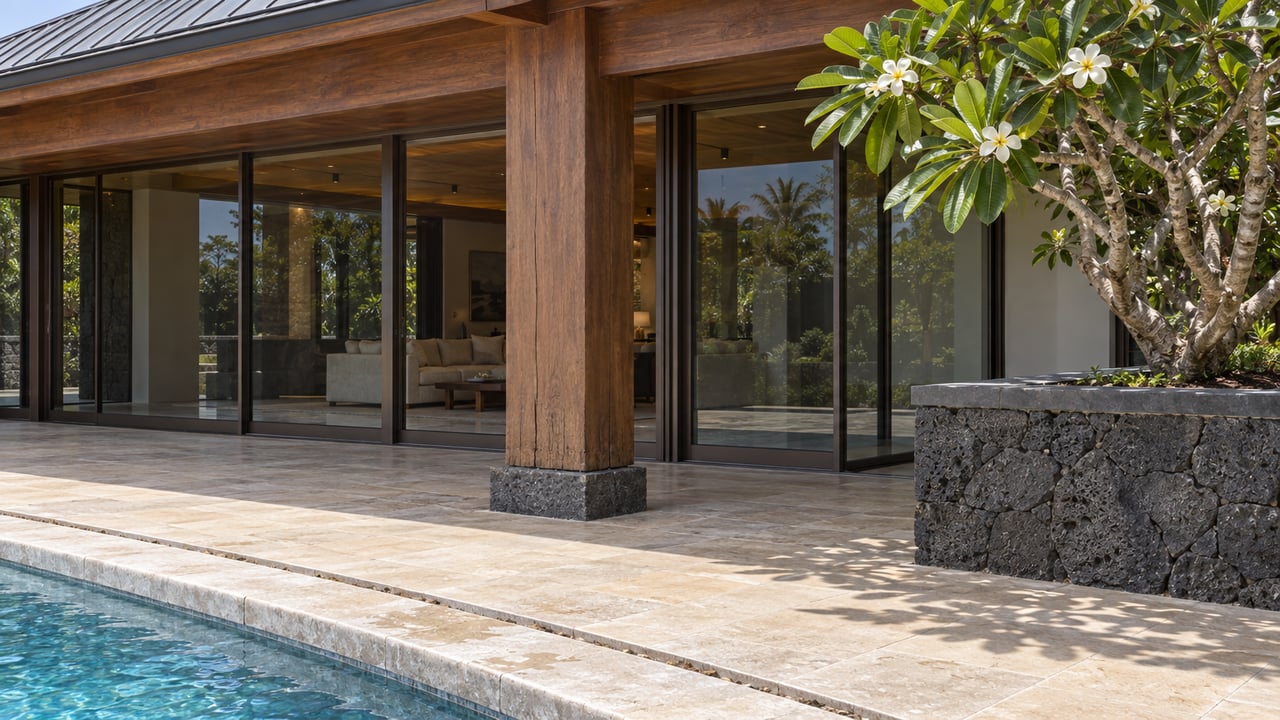
- Broad covered lanais for shade and outdoor living
- Deep overhangs to reduce heat gain
- Clear indoor-outdoor circulation for daily comfort
- High ceilings or open volumes that support airflow
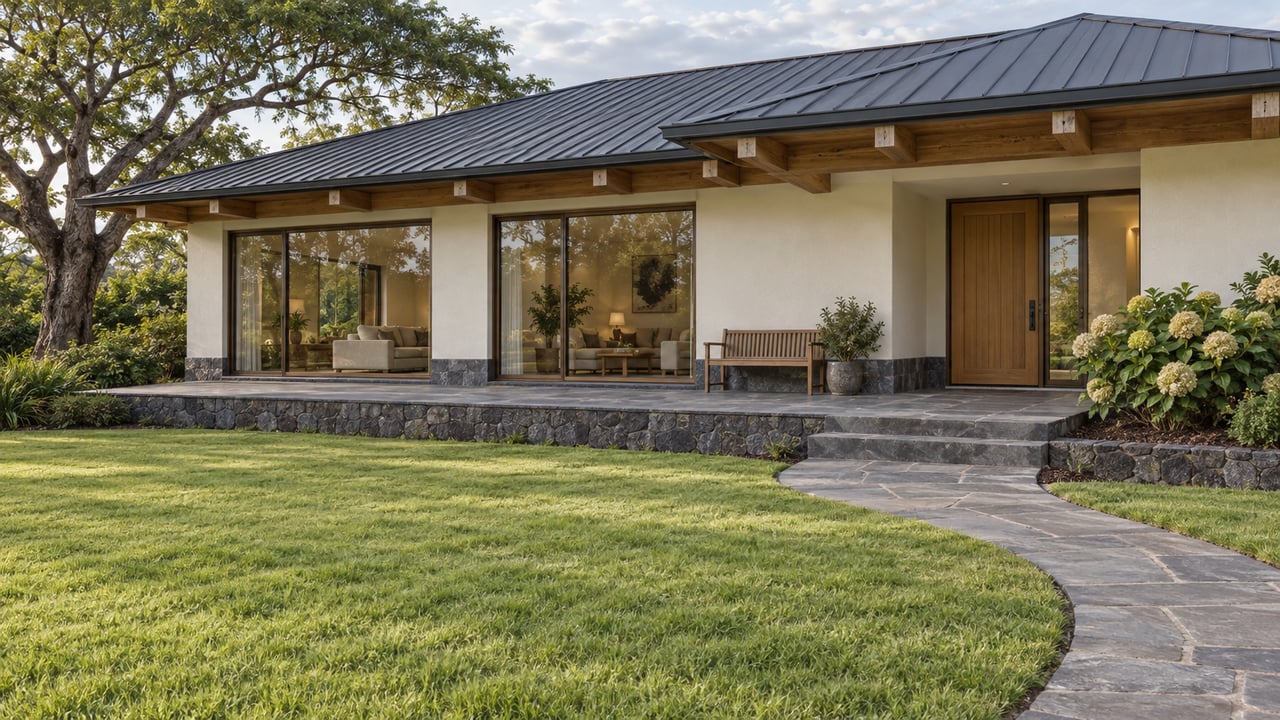
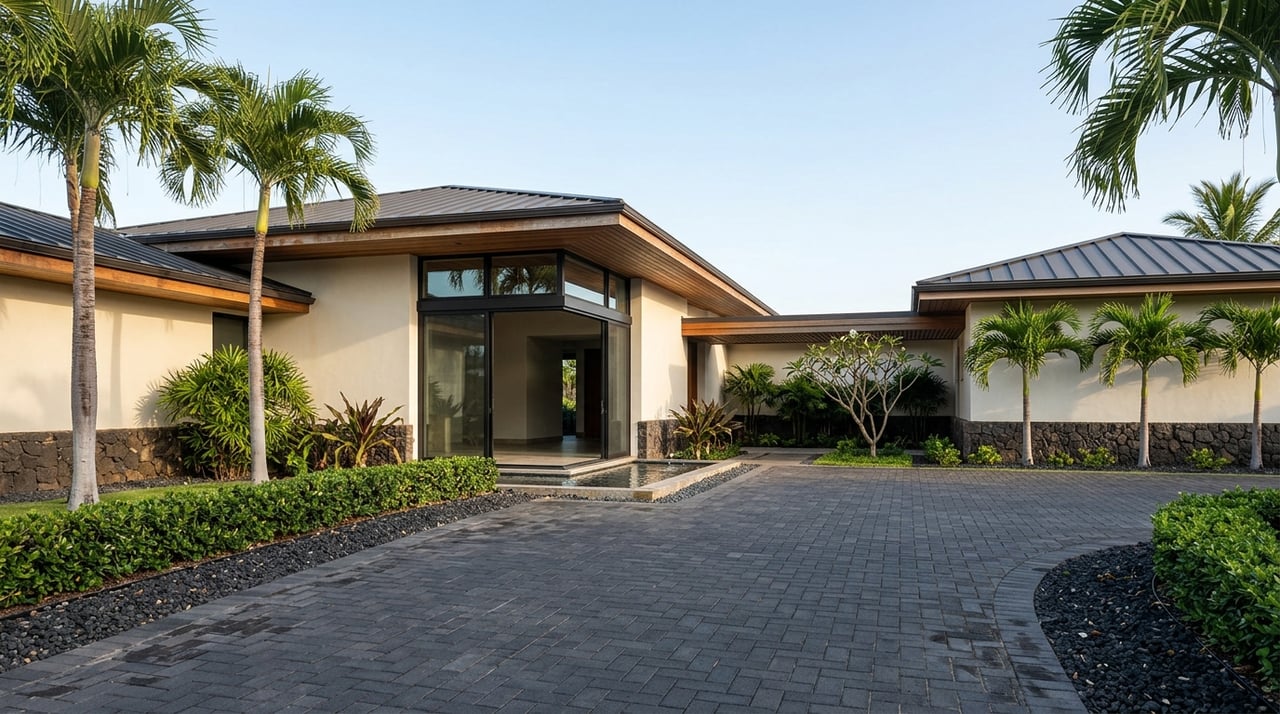
Current homes marketed in Hokuliʻa often reflect this approach through pocket sliding doors, covered lanais, breezeways, courtyards, and pavilion-style layouts.
Think Beyond The Interior
In Hokuliʻa, outdoor space is not just an extra. It is often part of how the home functions every day.
Because the climate supports year-round outdoor use, you may want to treat lanais, courtyards, and pool terraces as core living areas rather than secondary features. When these spaces are planned well, the home can feel more connected to the ocean views, breezes, and natural light that make this part of South Kona distinctive.
Organize The Home Around The View
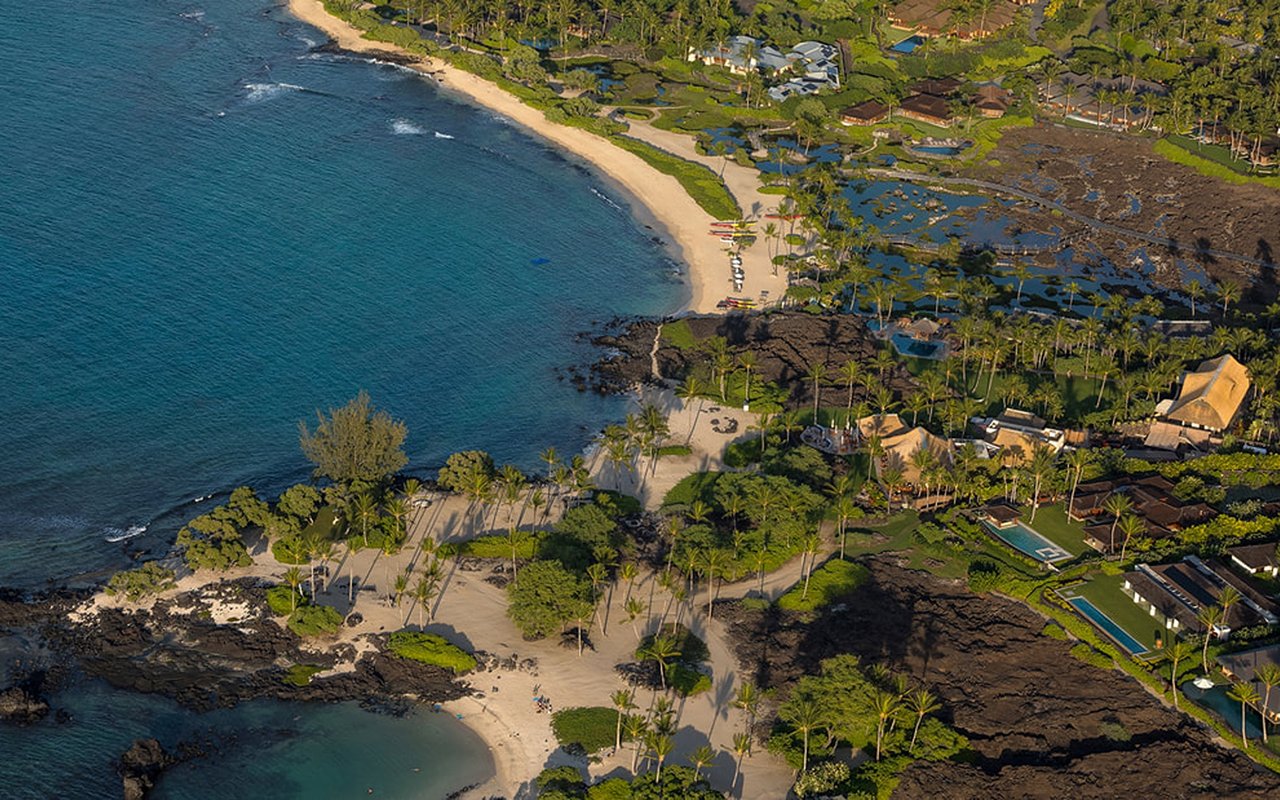
View planning is one of the most important parts of designing in Hokuliʻa. Public listings in the community often highlight coastline, sunset, golf, ocean-horizon, and mountain views, which means the placement of the home should be driven by the primary view axis.
That usually affects more than just window placement. It can shape the massing of the house, the orientation of the main living spaces, and the location of lanais, courtyards, and bedroom wings.
Protect The Best Sightlines
A thoughtful design process will identify the most important views first, then build the plan around them. That can help you decide where to place:
- Great rooms and main gathering spaces
- Primary bedroom suites
- Covered lanai areas
- Pool and spa zones
- Breezeways or detached pavilions
This approach can also help preserve a sense of privacy while still opening the home to the landscape.
Choose A Style That Fits The Setting
Hokuliʻa’s built environment offers useful clues for architectural direction. The club’s own amenity spaces use open-air pavilions, Pacific Rim influences, and natural materials, which makes tropical-modern, island-vernacular, and pavilion-based residential design feel contextually appropriate.
That does not mean every home should look the same. It means the most successful custom homes usually feel grounded in the place rather than imported from a completely different climate or setting.
Keep The Home Low-Profile And Connected
A home in Hokuliʻa often works best when it feels open, calm, and connected to the land. Depending on the lot, that may lead to design choices such as:
- Low-profile forms that sit comfortably on the site
- Separate pods or pavilions for privacy and flexibility
- Natural materials that complement the surroundings
- Strong transitions between interior rooms and outdoor spaces
- Courtyards or breezeways that bring light and air into the plan
Hokuliʻa also applies design guidelines to architectural styles, landscaping, and color palettes so homes harmonize with the environment. That makes early alignment with community standards an important part of the design process.
Plan For County Rules And Community Standards
Custom estate design in Hokuliʻa involves both public and private layers of review. Hawaiʻi County’s zoning code addresses matters such as permitted land uses, setbacks, and height limits, while the county Building Division reviews permit applications under its adopted building and energy code standards.
On top of that, Hokuliʻa has private-community rules and design guidelines that affect how homes are planned and presented. In practice, that means your team should account for both county requirements and community expectations from the beginning.
Coastal And Shoreline Considerations
If your lot is near the shoreline, the review process may become more detailed. Hawaiʻi County notes that coastal projects may require Special Management Area review, and shoreline-abutting lots must observe a minimum 40-foot shoreline setback.
That kind of rule can directly influence where the home sits on the lot, how outdoor areas are laid out, and whether additional planning steps are needed. It is one more reason to verify lot-specific constraints before the design is fully developed.
Respect Cultural And Site Features
Public-facing community documents also note that cultural or preservation features such as burial sites, lava tubes, habitation sites, rock walls, and historic trails must be respected. In a place like Hokuliʻa, that is not just a technical issue. It is part of designing with care for the land and its history.
The community’s 140-acre Shoreline Historic Park reinforces that broader context. With features that include a cultural interpretive center, hiking trails, viewing platforms, picnic areas, and a canoe landing, the shoreline setting is part of the design conversation in a meaningful way.
Build Fire-Conscious Landscaping Into The Plan
Wildfire planning matters in South Kona. Hawaiʻi County’s wildfire planning report notes that invasive grasses and human-caused ignitions contribute to hazardous wildfire conditions in the area.
For a custom estate home, that supports a practical design conversation around landscaping and site planning. Fire-conscious planting choices, site maintenance, and defensible-space thinking can be smart parts of the overall plan, especially on larger estate parcels.
Landscaping Should Do More Than Look Good
A strong landscape plan in Hokuliʻa can help support several goals at once. It can:
- Frame and protect view corridors
- Help guide breezes and shade outdoor spaces
- Support the agricultural easement and gardening potential
- Respond to dry conditions
- Contribute to a more fire-conscious site layout
When landscaping is treated as part of the architecture, the whole property tends to function better.
Use A Lot-Specific Design Process
The most practical takeaway for Hokuliʻa is simple. The best custom homes here are usually shaped by the lot, the climate, the views, and the rules that govern the site.
A smooth process often starts with early due diligence. Before locking in the design, it helps to verify the TMK, zoning, utility status, easements, and any county or community review triggers that could affect the plan.
A Helpful Early Checklist
Before moving too far into design, consider confirming:
- Lot dimensions and topography
- Existing surveys or reports
- Utility and sewer status
- Agricultural easement details
- Setbacks and height constraints
- Shoreline or SMA review triggers
- Driveway, grading, and drainage needs
- Community design guideline expectations
- Cultural or preservation site considerations
- Primary view corridors and privacy goals
That early work can save time and help the final design feel more natural, efficient, and well suited to Hokuliʻa.
Designing a custom estate home in Hokuliʻa is about more than creating a beautiful house. It is about understanding how the land, climate, views, and community framework all shape the final result. When you approach the process with clear due diligence and a strong sense of place, you are far more likely to end up with a home that feels lasting, comfortable, and truly at home in South Kona.
If you are considering a homesite or planning a custom build in Hokuliʻa, working with advisors who understand Big Island luxury communities can make the process more informed from the start. Connect with Frank Schenk & Nicolaas Schenk for thoughtful guidance on Hokuliʻa homesites, estate properties, and the nuances that matter in this part of the Kona coast.
FAQs
What makes custom home design in Hokuliʻa different from other luxury communities?
- Hokuliʻa combines large estate lots, agricultural easements, coastal setting, county permitting considerations, and private design guidelines, so each home should respond closely to its specific parcel.
What climate factors should you consider when designing a home in Hokuliʻa?
- South Kona’s warm, dry climate and daily breeze patterns support design features such as cross-ventilation, covered lanais, deep overhangs, and strong indoor-outdoor living.
What should you verify before designing on a Hokuliʻa lot?
- It is wise to confirm lot topography, utility status, easements, zoning, setbacks, possible shoreline or SMA review triggers, and any existing due-diligence reports before finalizing the design.
How do views affect estate home design in Hokuliʻa?
- Because many parcels are valued for coastline, sunset, golf, ocean, or mountain views, the home’s layout, massing, and lanai placement should be organized around the most important sightlines.
Are there special community standards for building in Hokuliʻa?
- Yes. In addition to county rules, Hokuliʻa applies design guidelines related to architecture, landscaping, and color palettes so homes harmonize with the surrounding environment.
Why does the agricultural easement matter for Hokuliʻa homesites?
- The agricultural easement can influence how you plan the property and may support uses tied to gardening, micro-farming, or local food production, depending on the parcel and overall site design.